Introduction
Gaining independence from expensive repair shops and mastering basic vehicle upkeep in your home garage with the best tools for car maintenance combines essential hand tool reliability with home garage safety across the United States. Navigating DIY equipment choices, such as comparing professional-grade diagnostic scanners and hydraulic jack setups against unverified workshop tools, ensures you protect your household budget from inflated shop labor rates and unexpected mechanical failures. Whether you are reviewing forged steel build quality evaluation steps, analyzing torque wrench calibration and rated jack stand safety requirements, or following structured itemized tool selection roadmaps, understanding expert home mechanic workflows allows you to execute an informed financial strategy that keeps your automobile reliable past 200,000 miles while preserving its market resale value.
The Significance of the Safety Assessment: Key Factors When Selecting Best Tools for Car Maintenance
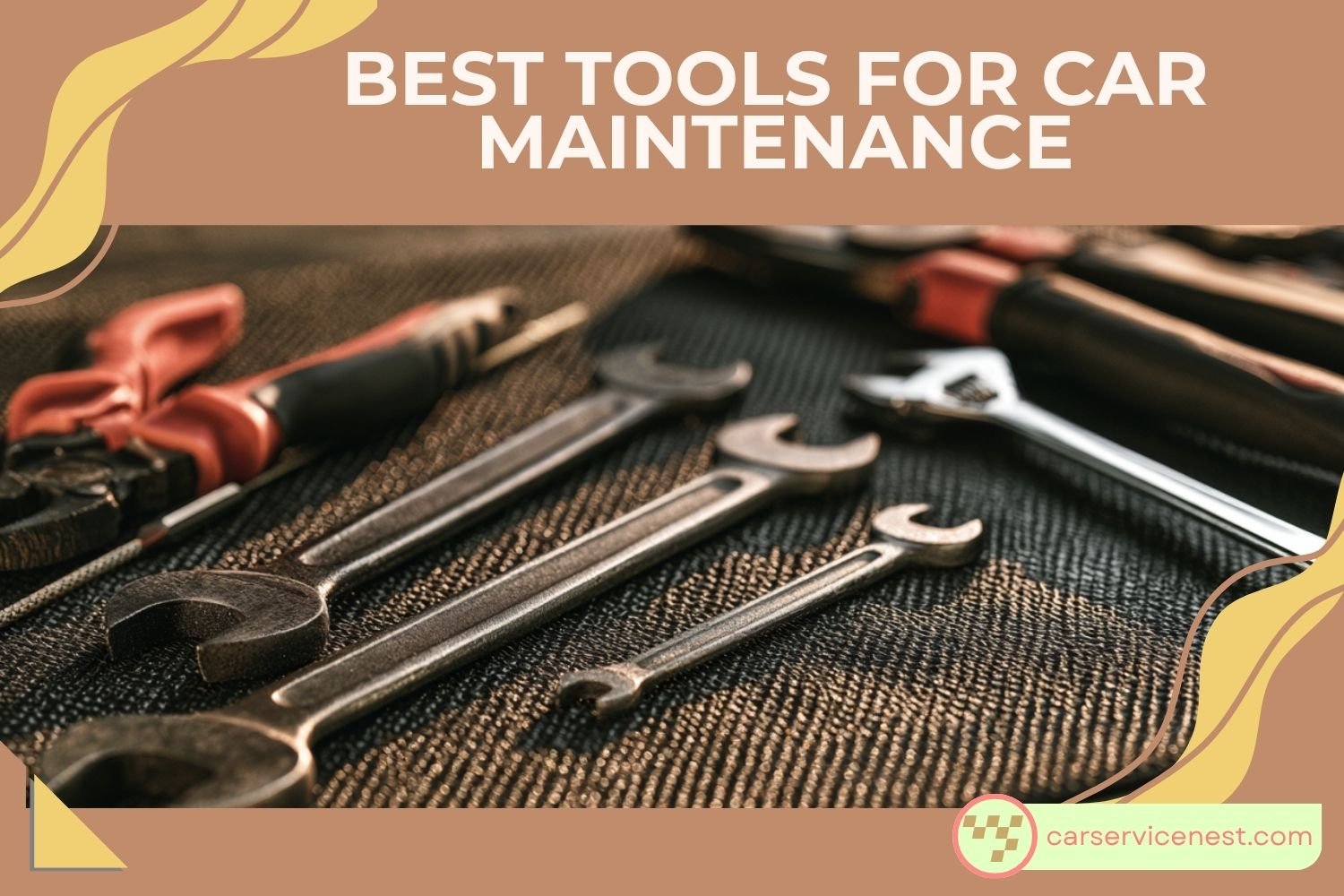
For U.S. vehicle owners navigating automotive upgrades, evaluating foundational hand tools and sockets serves as the primary operational factor when establishing a safe home garage. Every automotive toolkit begins with manual hand tools designed to loosen and tighten threaded fasteners across modern vehicle assemblies. Before starting DIY repairs, evaluating whether a tool matches your exact mechanical project prevents damaged fasteners and ensures complete safety under the vehicle. Start by identifying your specific tracking and organizational preferences. Setting aside predictable time for scheduled upgrades ensures your vehicle receives necessary attention without throwing off your household cash flow, and factoring in tool durability prevents frustration when minor add-ons eventually fail. Look for durable materials, simple application processes, robust warranty coverage, and verified compatibility with your specific vehicle framework. When evaluating options to manage your schedule based on best tools for car maintenance, consider how each product tier handles everyday garage stress and regional pricing tiers. Evaluating the core purpose of your planning prevents unexpected financial crunches and ensures you select documentation paths that genuinely protect your vehicle investment. This meticulous approach to service management allows drivers to enjoy dependable transportation without forcing an unprepared modification that compromises safety. A versatile 100-to-150 piece socket set featuring 1/4-inch, 3/8-inch, and 1/2-inch drives with shallow and deep metric sockets handles nearly 80% of routine under-hood fasteners, while open-end and box-end combination wrenches ranging from 8mm to 19mm are vital for reaching fuel lines, brake fittings, and bolts where a bulky ratchet cannot fit.
| Tool Category | Primary Function | Estimated U.S. Cost Range & Scope |
| Hand Tools & Sockets | Fastener removal, assembly, oil changes, brakes | $90 – $200 Dollars (Covers foundational hand tools and sockets) |
| Lifting & Safety Gear | Vehicle elevation, wheel service, secure underbody access | $120 – $250 Dollars (Ensures safe vehicle support and lifting) |
| Diagnostics & Testing | Check-engine scanning, battery testing, circuit checks | $40 – $150 Dollars (Troubleshoots modern electrical systems) |
Selecting high-grade budgeting and planning habits ensures that your preparation for understanding best tools for car maintenance withstands rigorous financial scrutiny across American vehicle ownership cycles. A 1/2-inch drive breaker bar provides the mechanical leverage needed to break loose rusted lug nuts or suspension bolts without damaging delicate ratchet gears.
Material Construction and Mechanical Mechanics in Garage Toolsets
Modern drop-forged chrome vanadium steel sockets, hardened steel combination wrenches, digital multimeters, OBD-II scanner microprocessors, heavy-duty hydraulic floor jacks, and stamped steel jack stands utilized in garage gear are engineered using sophisticated manufacturing techniques designed to handle extreme torques and continuous mechanical stress safely. When evaluating options related to best tools for car maintenance, understanding how proper material construction supports daily durability prevents excessive wear or structural failure during high-torque garage repairs. Drop-forged chrome vanadium steel sockets and combination wrenches deliver high tensile strength across extreme torque ranges, whereas digital multimeters and diagnostic scan tools resist electrical interference to protect sensitive electronic data. Regular maintenance and proper cleaning maintain these material interactions, ensuring safe operational limits across all weather conditions.
Evaluating primary construction materials helps vehicle owners select durable service tools that balance rugged utility performance against everyday garage safety. Better materials resist heat, moisture, heavy weight loads, and daily wear. Professional mechanics and car owners utilize appropriate replacement components to service these maintenance interfaces. Understanding these material and chemical characteristics explains why professional-grade build quality and precise fitment standards are mandatory for keeping your vehicle protected, clean, and fully functional. Comparing material specifications ensures you select heavy-duty components engineered for rigorous daily driving and DIY use.
| Material / Tool Type | Primary Mechanical Benefit | Optimal U.S. Application & Scope |
| Chrome Vanadium Steel | Resists high torque without rounding fasteners | Sockets, ratchets, and combination wrenches |
| Hydraulic Fluid Cylinders | Provides controlled lifting power under heavy loads | Floor jacks for vehicle elevation |
| Heavy-Duty Locking Steel | Supports static vehicle weight safely off jacks | Jack stands for underbody security |
Common Factors That Influence Best Tools for Car Maintenance Pricing Explained
Several critical variables determine the final purchase price or supply investment required when examining best tools for car maintenance options. Key pricing factors to incorporate include:
Product Category and Build Quality: Pricing reflects major U.S. hardware and automotive retail stores, varying by brand warranty and tool build quality, ranging from hand tools and sockets ($90 to $200) to lifting and safety gear ($120 to $250) and diagnostics and testing instruments ($40 to $150). For U.S. drivers who want predictable budgeting, assessing tool pricing is essential.
Universal Versus Custom Fitment Options: Choosing between basic hand tools and specialized maintenance gear involves balancing personal repair goals against tool investment, where entry-to-mid range code readers from brands like Innova, Autel, and BlueDriver offer reliable live data streaming while specialized tools like oil filter wrenches and torque wrenches ensure precision execution. Suspension layout, frame reinforcement, and accessory positioning were optimized to maximize structural integrity without sacrificing accessory installation access.
| Tool Category | Primary Function | Estimated U.S. Cost Range & Scope | Operational Impact |
| Hand Tools & Sockets | Fastener removal and assembly | $90 – $200 Dollars | Essential for routine under-hood service and oil changes |
| Lifting & Safety Gear | Vehicle elevation and support | $120 – $250 Dollars | Guarantees safe underbody access and wheel service |
| Diagnostics & Testing | Electronic troubleshooting | $40 – $150 Dollars | Scans check-engine lights and tests electrical systems |
| Specialized Gear | Fluid changes and filters | Variable retail pricing | Ensures clean fluid collection and precise fastener torque |
| Socket vs Wrench Sets | Fastener accessibility | Complementary hardware | Sockets fit ratchets in open spaces; wrenches fit tight areas |
Financial Impact: Starter Toolkits vs. Professional Shop Labor Fees
Comparing average U.S. tool expenses highlights pricing expectations across starter toolkits and professional shop labor fees when calculating expenses associated with best tools for car maintenance. Custom-fit financial and vehicle choices usually provide a clearer budgeting picture, superior component predictability, and fewer unexpected expenses compared to generic averages. When evaluating best tools for car maintenance, checking factors like starter toolkit investments ($250–$600 total) versus hourly shop labor ($120–$180+/hr) ensures total financial awareness. Furthermore, American vehicle owners who invest in a reliable starter toolkit quickly recover their costs by eliminating high hourly shop labor fees.
| Cost-Saving Method | Actionable Description | Estimated Monthly Impact | Operational Impact |
| High-Value Tool Investment | Purchase comprehensive socket sets, floor jacks, and OBD-II scanners. | Recovers costs rapidly by eliminating shop labor fees. | Cost-effective everyday enhancement |
| Proactive Warranty Usage | Utilize lifetime warranties offered by U.S. brands like Craftsman and Kobalt. | Preserves tool investment and provides free replacements. | Long-term asset protection |
| Proactive Quality Selection | Invest in click-type torque wrenches and certified steel jack stands | Reduces safety risks and prevents stripped fasteners. | Durable asset retention |
| Meticulous Record Retaining | Keep physical or digital copies of all tool purchase receipts and warranties | Protects warranty validity and verifies component backing. | Financial equity preservation |
Simple Step-by-Step Installation & Garage Safety Rules
Professional tool utilization or DIY garage work requires following strict safety procedures and manufacturer guidelines when exploring best tools for car maintenance:
1. Never Work Underneath Solely Supported Vehicles: Never work under a car supported solely by a hydraulic jack, as hydraulic jacks can fail or slip; always support an elevated vehicle with heavy-duty steel jack stands rated for your car’s weight class on level pavement.
2. Always Use on Flat Paved Surfaces: Always use a hydraulic floor jack on flat, paved concrete surfaces to prevent dangerous shifting during vehicle elevation.
3. Torque Wheel Lug Nuts to Factory Specs: Always torque wheel lug nuts to factory specifications using a click-type torque wrench capable of measuring 20 to 150 foot-pounds.
4. Recycle Used Motor Oil Responsibly: Pour used motor oil into a sealed plastic container and take it to a local U.S. auto parts retailer (like AutoZone or Advance Auto Parts) or a municipal recycling center for free recycling.
5. Save All Purchase Records: Save your tool purchase receipts, warranty cards, and user guides in a dedicated binder or digital logbook to maintain comprehensive records.
Maintenance and Care Tips
Financial planning frequency and tool monitoring depend on driving conditions, geographic climate, and exposure to thermal stress. Keep repair invoices, warranty information, and service schedules for future reference. Inspect periodic maintenance milestones and independent tool pricing schedules on a regular schedule to maintain financial awareness. Evaluate vehicle wear patterns before committing to major high-end tool overhauls.
Building consistent habits around your automotive tool maintenance transforms garage management from an overwhelming burden into an effortless routine. Clean hand tools, wipe down hydraulic jacks, and inspect steel jack stands periodically using soft microfiber cloths and degreasers. Check digital multimeter battery levels, OBD-II scanner firmware updates, and torque wrench calibration regularly for accuracy. Store spare automotive tools in a dry location when not in use to maintain structural integrity. Choose tool maintenance practices that enhance garage safety while reducing strain on personal equipment.
Regional U.S. Climate Considerations for Best Tools for Car Maintenance
Geographic location across the United States introduces unique environmental stressors that alter what is required for proper best tools for car maintenance utilization: garage setups across the United States require adapting tool selection and safety practices based on local climate extremes, where in northern Salt Belt states (such as New York, Michigan, and Ohio), winter road de-icing chemicals and moisture require rust-resistant chrome vanadium sockets and penetrating fluid sprays to handle seized fasteners, while in scorching Southwest desert environments (such as Arizona, Nevada, and New Mexico), intense summer heat stresses battery testing multimeters and requires shaded garage ventilation, and in humid coastal regions, tool storage requires moisture-absorbing silica gel packs to prevent surface oxidation. Balancing where and how you service your vehicle is one of the most effective ways to lower your annual cost of ownership in the USA. Budget products can meet basic short-term needs, but premium preventative care items often prevent catastrophic failures and provide better overall value through improved reliability and stronger warranties. Balancing initial upgrade costs against expected lifespan helps you maximize the long-term utility of your vehicle investments.
Adhering to a strict preventive maintenance schedule minimizes environmental climate stress across all regional driving conditions.
| U.S. Region / Climate | Environmental Stress Factor | Tool Adaptation Strategy | Typical Regional Impact |
| Northern Salt Belt (NY, MI, OH) | Winter road salt and moisture | Use breaker bars, penetrating fluid, and rust-resistant sockets | Seizes underbody fasteners and corrodes hand tools |
| Southwest Deserts (AZ, NV, NM) | Intense summer heat and UV stress | Keep digital multimeters calibrated and use shaded garages | Accelerates battery drain and stresses electronic scanners |
| Preventative Maintenance | Regular tool cleaning and inspection | Lower long-term tool replacement spending | Maintains clean garage safety and reliable hand tools |
| Coastal Regions (FL, Gulf Coast) | High humidity and salt air | Store tools with silica gel packs to prevent oxidation | Causes surface rust on raw steel wrenches and ratchets |
| Aging Vehicle Fleets | Component fatigue past standard mileage milestones | Utilize advanced OBD-II live data scanners for diagnostics | Catches complex sensor failures before roadside breakdown |
Potential Drawbacks and Consideration Factors
Certain contract terms, such as strict warranty compliance clauses or specialized vehicle service regulations regarding consumer choice under the Magnuson-Moss Warranty Act, add substantial financial risk if not reviewed carefully. Premium tool brand networks carry higher upfront costs compared to independent budget alternatives. Finding available tool warranty exchange locations can also require advance planning during peak retail hours. Additionally, deferring proper safety equipment investments like rated jack stands can cause compounding catastrophic safety hazards that multiply future risks.
Common Misunderstandings About Automotive Add-Ons
A frequent misconception when evaluating best tools for car maintenance options is that it is safe to work under a car supported by a hydraulic jack, whereas hydraulic jacks can fail or slip, meaning you must always support an elevated vehicle with heavy-duty steel jack stands rated for your car’s weight class on level pavement. Another myth is that you need pneumatic air compressors and hoses for basic car maintenance, whereas modern cordless brushless impact wrenches and ratchets powered by 18V/20V lithium-ion batteries provide immense convenience and power without requiring air compressors or hoses. Understanding these distinctions clarifies why technical accuracy and selecting high-quality maintenance tools bridge the gap between amateur mistakes and effective vehicle longevity management.
Frequently Asked Questions
1. What are the best tools for basic car maintenance?
The best tools for car maintenance include a comprehensive socket set, combination wrenches, an OBD-II diagnostic scanner, a hydraulic floor jack with steel jack stands, a digital multimeter, and a click-type torque wrench.
2. Which OBD-II scanner is best for home car maintenance?
Entry-to-mid-range OBD-II scanners from brands like Innova, Autel, and BlueDriver offer useful features, including diagnostic code reading, live data monitoring, and check-engine light resetting.
3. Is it safe to work under a car supported only by a hydraulic jack?
No, working under a vehicle supported only by a hydraulic jack is dangerous because the jack can fail or slip. Always use properly rated steel jack stands on firm, level ground before working underneath a vehicle.
4. What size torque wrench is best for car maintenance?
A 1/2-inch drive click-type torque wrench with a suitable range, such as 20–150 foot-pounds, is useful for tightening wheel lug nuts according to the vehicle manufacturer’s specifications.
5. Do automotive hand tools come with a lifetime warranty?
Many reputable tool brands, including Craftsman, Husky, and Kobalt, offer lifetime warranties on selected hand tools. However, warranty coverage and replacement conditions vary by brand and product.
6. How should I dispose of used motor oil after an oil change?
Store used motor oil in a clean, sealed, leak-proof container and take it to an authorized recycling center or participating auto parts retailer. Never pour used oil into drains, soil, or regular household waste.
7. What is the difference between a socket set and a wrench set?
Socket sets attach to ratchet handles to loosen or tighten fasteners quickly, while combination wrenches provide better access to fasteners in narrow spaces where ratchets may not fit. Both are among the best tools for car maintenance.
8. Are pneumatic air tools necessary for basic car maintenance?
No, pneumatic tools are not essential for basic vehicle maintenance. Cordless brushless impact wrenches and ratchets powered by rechargeable batteries offer convenient alternatives without requiring an air compressor or hoses.
Final Takeaway
Ultimately, building a reliable collection of the best tools for car maintenance transforms complex, expensive garage visits into manageable, empowering DIY projects that save both time and money over the lifetime of your vehicle. By prioritizing foundational essentials, such as a versatile socket and ratchet set, reliable safety jack stands, a precision torque wrench, and an accurate OBD2 diagnostic scanner, you equip yourself to handle routine fluid changes, unexpected error codes, and critical component checks with total confidence. Investing in quality automotive gear from the start not only safeguards your vehicle’s performance and longevity but also ensures every repair is executed safely, efficiently, and to professional standards.