Introduction
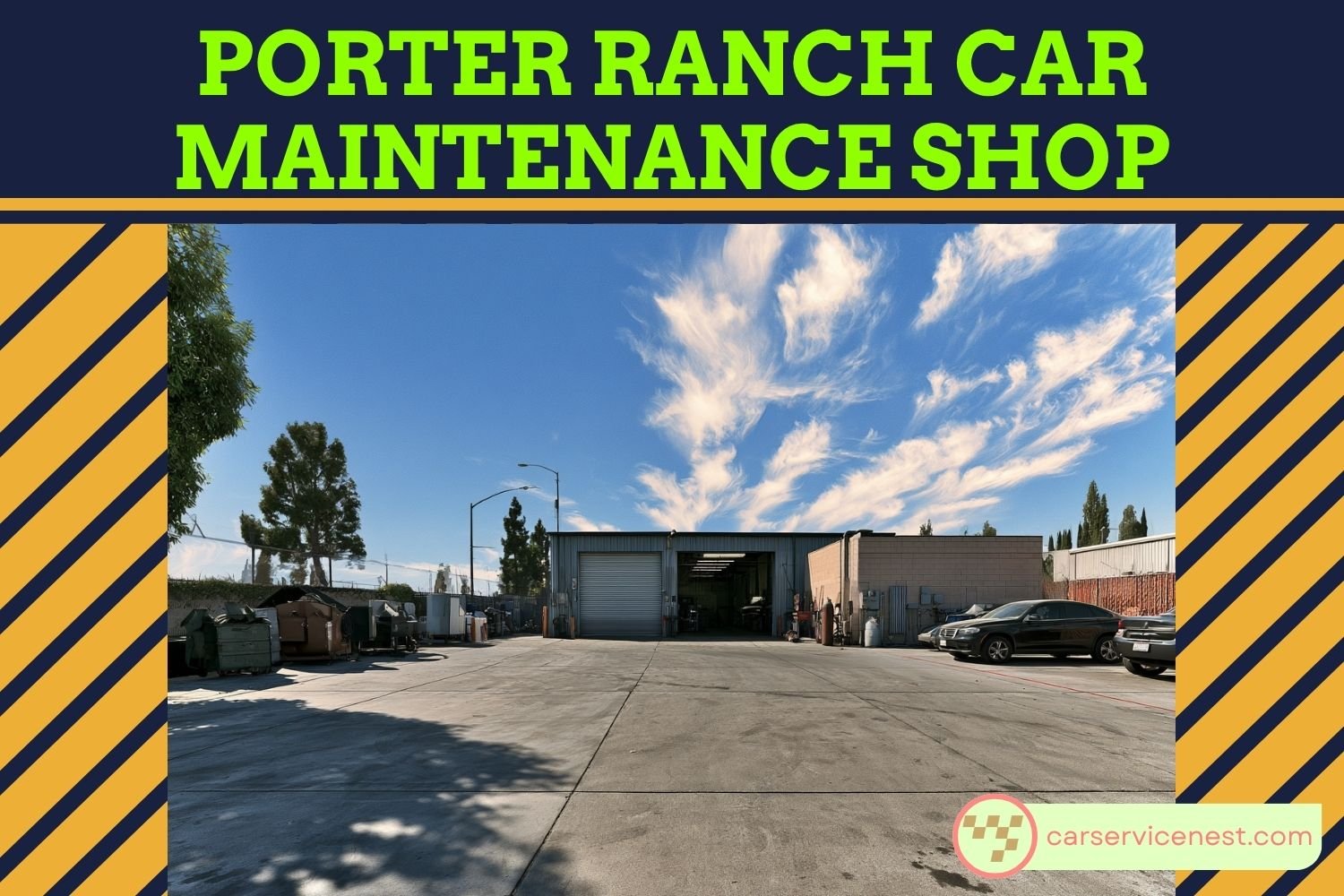
Finding a dependable porter ranch car maintenance shop, whether you navigate steep hillside roads or commute daily along the 118 Freeway in the San Fernando Valley to ensure your vehicle stays safe and dependable through trustworthy mechanics, transparent pricing, and expert care, combines local automotive expertise with reliable mechanical upkeep across the United States.
Navigating local auto repair selection choices, such as comparing ASE-certified technicians and advanced diagnostic tools against dishonest service providers, ensures you protect your household budget from unserviced wear caused by intense heat and terrain. Whether you are reviewing qualification checklist steps, analyzing San Fernando Valley driving care requirements, or following structured itemized service roadmaps, understanding expert shop workflows allows you to execute an informed operational strategy that keeps your automobile reliable past 200,000 miles while preserving its market resale value.
What to Look For in a Porter Ranch Car Maintenance Shop
Selecting a dependable automotive workshop requires evaluating key credentials that separate professional mechanics from generic service chains. To establish a strong relationship with a trustworthy local mechanic, look for these core criteria when choosing a car maintenance shop:
1. ASE-Certified Technicians: Technicians holding credentials from the National Institute for Automotive Service Excellence (ASE), proving formal training across complex automotive systems.
2. Transparent Pricing & Diagnostics: Upfront pricing, clear explanations of recommended repairs, and digital inspection reports without hidden fees or high-pressure sales tactics.
3. Advanced Diagnostic Equipment: Investment in state-of-the-art computer diagnostic tools required to accurately troubleshoot modern computer-controlled vehicles.
4. Verified Warranties & Reputation: Strong local reputation backed by positive customer reviews, community trust, and solid warranty coverage on parts and labor.
Financial Planning: How Much Does Car Maintenance Cost?
For U.S. vehicle owners managing household expenses, understanding how much a car maintenance cost is essential to prevent unexpected financial burdens. On average, routine maintenance and minor repairs cost U.S. vehicle owners between $800 and $1,200 annually, depending on vehicle age, mileage, and make. While modern engineering has extended service intervals, ignoring foundational items like oil changes, brake inspections, and tire rotations can transform minor preventative upkeep into multi-thousand-dollar emergency repairs. Understanding these typical costs allows drivers to plan ahead and protect their long-term automotive investment.
Vehicle upkeep expenses depend on how frequently you drive and the lifecycle stage of your car. Newer automobiles require mostly basic fluid changes, whereas aging cars demand heavy component replacements.
1. Routine Upkeep and Fluid Changes ($350 – $600 Annually): Routine maintenance covers scheduled items like synthetic oil changes, filter replacements, and tire rotations performed every 5,000 to 7,500 miles.
2. Wear-and-Tear Replacements ($300 – $550 Annually): Consumable parts wear down over time. Budgeting for brake pad replacements, wiper blade swaps, and periodic tire balancing covers these inevitable wear items.
3. Milestone and Minor Repairs ($250 – $500 Annually): As odometers climb past 60,000 miles, setting aside funds for spark plug replacements, coolant flushes, and minor electrical checks ensures financial stability.
Shop Evaluation Criteria Matrix
Reference this structured matrix to review shop selection criteria, key indicators, and customer benefits.
| Evaluation Criteria | Key Shop Indicator | Customer Benefit |
| Technical Certification | ASE-Certified mechanics on site | Guarantees expert workmanship on complex repairs. |
| Service Transparency | Detailed digital inspection reports and upfront estimates | Prevents unexpected costs and builds trust. |
| Diagnostic Capabilities | Advanced OBD-II scanners and electrical testers | Accurately pinpoints root causes of warning lights. |
| Warranty Backing | Minimum 12-month / 12k-mile repair warranty | Provides peace of mind regarding parts quality. |
Following this structured matrix ensures your household budget remains prepared for upcoming vehicle expenses.
Service Duration Planning: How Long Does It Take for Car Maintenance?
For U.S. vehicle owners balancing busy daily commitments, knowing how long car maintenance takes is critical for planning transportation and work schedules. Whether you are dropping off your vehicle for a quick oil change or a comprehensive mileage milestone inspection, service turnaround times vary widely based on the specific mechanical task, shop workflow, and part availability. Standard minor services like an oil and filter change typically take 30 to 45 minutes, whereas comprehensive major services or complex mechanical repairs can require anywhere from 2 to 4 hours or even a full working day. Understanding these timeframes helps drivers manage expectations, coordinate rides, and ensure their vehicles receive proper professional attention.
Not all vehicle maintenance tasks are created equal. While some minor services are engineered for maximum speed in dedicated express lanes, comprehensive checkups require meticulous testing, teardown, and precision labor.
1. Routine Minor Services (30 to 60 Minutes): Proactive minor services,such as conventional or synthetic oil changes, windshield wiper blade replacements, cabin air filter swaps, and quick tire pressure checks, are designed for rapid turnaround.
2. Intermediate and Milestone Services (1 to 3 Hours): Services occurring at regular mileage increments (such as tire rotations, brake fluid flushes, wheel alignments, and spark plug replacements) involve multiple vehicle systems and require specialized equipment, extending the timeframe to between 1 and 3 hours.
3. Major Overhauls and Complex Repairs (3 to 6+ Hours): Major services, including timing belt replacements, transmission fluid flushes, suspension strut swaps, or complex electrical diagnostics, demand extensive labor and cooling or lifting time, frequently requiring the vehicle to remain at the shop for half a day or longer.
Car Maintenance Duration Matrix
Reference this structured matrix to review service categories, average time requirements, and included maintenance tasks.
| Service Category | Average Duration | Primary Tasks Included |
| Oil Change & Filter Swap | 30 – 45 Minutes | Draining oil, replacing oil filter, refilling fluid, visual safety check. |
| Oil Change & Tire Rotation | 45 – 60 Minutes | Oil service plus rotating tires, checking tread depth, and adjusting tire pressure. |
| Brake Pad Replacement (Per Axle) | 1.5 – 2.5 Hours | Installing new brake pads, inspecting or machining rotors, bleeding brake lines. |
| Mileage Milestone Check (30k/60k) | 2.0 – 3.5 Hours | Multi-point inspection, fluid flushes, spark plugs, air and cabin filters. |
| Timing Belt & Water Pump Service | 4.0 – 6.5 Hours | Removing front engine covers, replacing timing belt, tensioners, and water pump. |
Core Services Offered by Local Auto Repair Shops
A top-tier car maintenance shop in Porter Ranch provides a comprehensive range of services designed to handle everything from routine preventive care to complex mechanical overhauls. Review the primary automotive services provided by established local mechanics:
Preventive Maintenance & Fluid Servicing: Routine synthetic oil changes, coolant flushes, transmission service, and multi-point inspections tailored to protect engines against Southern California heat.
Brake & Suspension Repairs: Brake pad replacements, rotor resurfacing, shock absorber maintenance, and alignment checks essential for safely navigating steep Porter Ranch hillsides.
Local Auto Repair Service Matrix
Reference this structured matrix to review service types, recommended frequencies, and primary upkeep goals.
| Service Type | Recommended Frequency | Primary Upkeep Goal |
| Oil Change & Filter Service | Every 5,000 – 7,500 Miles | Maintains engine lubrication and removes friction debris. |
| Brake Pad & Rotor Service | Every 25,000 – 40,000 Miles | Ensures safe stopping power on steep local grades. |
| Cooling System Service | Annually / Before Summer | Prevents engine overheating during extreme heatwaves. |
| Check Engine Diagnostics | As Needed / Warning Light | Resolves electrical or emissions sensor faults early. |
Master Service Schedule for General Maintenance on a Car
Following a time and mileage-based schedule ensures that no critical maintenance item is overlooked:
Minor Routine Service (Every 5,000 to 7,500 Miles / 6 Months): Synthetic engine oil and filter replacement; tire rotation and cold inflation pressure check; topping off washer fluid; visual check of brakes, belts, and lights.
Intermediate Maintenance (Every 15,000 to 30,000 Miles / 12 to 24 Months): Engine air filter and cabin HVAC filter renewals; hydraulic brake fluid moisture test and flush; battery conductance load test; wiper blade replacements.
Major Mileage Overhaul (Every 60,000 to 100,000 Miles / 5 to 8 Years): Automatic transmission fluid exchange; radiator coolant flush; iridium spark plug replacement; serpentine drive belt and tensioner renewal; differential gear oil replacement.
General Maintenance Inspection & Service Matrix
Review the master service matrix detailing component inspection tasks, frequencies, and action triggers.
| Vehicle System | General Maintenance Task | Target Service Frequency | Action Trigger / Failure Sign |
| Engine Oil & Filter | Full synthetic motor oil & OEM filter exchange | 5,000 – 7,500 Miles / 6 Mo | Oil life meter <15% or dark sludgy oil. |
| Tires & Wheel Assembly | Rotate tires, balance, set cold inflation pressure | 5,000 – 7,500 Miles | PSI >3 lbs low, tread depth <4/32″. |
| Brake System | Inspect pad thickness, rotor surface & flush fluid | Every 6 Months / 2-3 Yrs flush | Pad thickness <3mm, fluid moisture >2%. |
| Filter Replacements | Replace engine air filter and cabin HVAC filter | 15,000 – 30,000 Miles | Restricted cabin A/C airflow, dark filter. |
| Battery & Electrical | Clean terminal corrosion; load test battery CCA | Every 6 Months / Pre-Winter | Voltage <12.4V, slow engine cranking. |
| Transmission System | Exchange automatic transmission fluid (ATF) | 30,000 – 60,000 Miles | Dark brownish fluid, delayed gear shifting. |
| Cooling System | Inspect coolant level; flush radiator antifreeze | Monthly check / 60k-100k Mi flush | Temperature gauge rising, coolant pH <7. |
| Ignition & Belts | Replace iridium spark plugs; replace serpentine belt | 60,000 – 100,000 Miles | Engine misfire (P0300), squealing belt noise. |
Frequently Asked Questions (FAQs)
1. How do you choose the best Porter Ranch car maintenance shop?
Look for ASE-certified technicians, transparent pricing, modern diagnostic equipment, positive customer reviews, and reliable repair warranties when selecting a professional service shop.
2. What services does a Porter Ranch car maintenance shop offer?
A professional shop typically offers preventive maintenance, oil changes, computer diagnostics, brake repairs, suspension services, tire inspections, and cooling system maintenance.
3. Why is choosing a local car maintenance shop important for Porter Ranch driving conditions?
Local mechanics understand how steep hillside roads and intense San Fernando Valley heat can increase wear on brakes, tires, and engine cooling systems.
4. How often should you visit a Porter Ranch car maintenance shop for routine inspections?
Most vehicles benefit from routine inspections every 5,000 to 7,500 miles or according to the manufacturer’s maintenance schedule. Seasonal inspections can also help identify potential problems early.
5. Do local car maintenance shops provide warranties on repairs?
Yes, many reputable shops offer warranties covering parts and labor. Coverage varies by shop, so ask about the warranty period and conditions before approving repairs.
6. Can a Porter Ranch car maintenance shop service luxury and imported vehicles?
Many established repair shops have technicians experienced in servicing domestic vehicles, Asian imports, and European luxury brands. Always confirm that the shop has the necessary training and diagnostic equipment.
7. How can I track my vehicle’s service records at a local maintenance shop?
Many repair shops maintain digital service histories for customers. You can also keep track of maintenance visits, repair invoices, and inspection reports using a physical logbook or automotive maintenance app.
8. Where can I find my vehicle’s exact factory service schedule?
You can find your vehicle’s recommended maintenance schedule in the owner’s manual or through the manufacturer’s official owner portal. A professional Porter Ranch car maintenance shop can also help you understand the recommended service intervals.
Final Takeaway
Partnering with a trusted porter ranch car maintenance shop ensures that your vehicle receives expert care, transparent pricing, and reliable mechanical support. By prioritizing certified technicians, keeping up with routine preventive service, and addressing warning lights promptly, you protect your investment and ensure safe driving on local roads. To manage your local vehicle upkeep today, you should immediately research local auto repair shops in Porter Ranch and read customer reviews to verify that the shop employs ASE-certified technicians and offers repair warranties. While non-essential cosmetic upgrades can safely wait if your mechanical service is fully up to date, you must schedule professional help right away if you encounter unscheduled red dashboard warning lights, unusual mechanical noises, or active fluid leaks.