Introduction
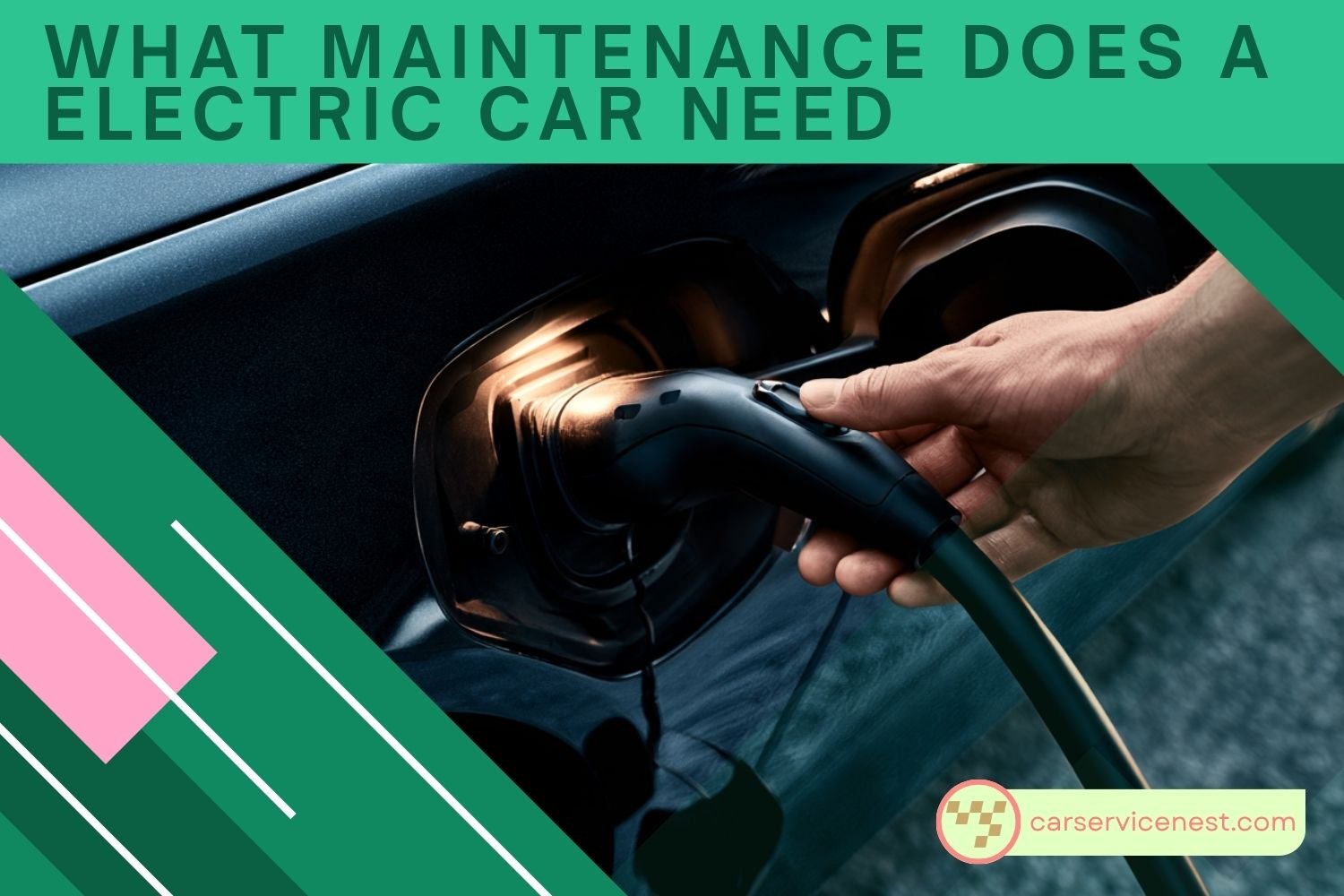
Understanding what maintenance does a electric car need, which is significantly less than traditional gas vehicles due to the complete elimination of internal combustion engines, oil changes, spark plugs, and timing belts across the United States, combines modern electric vehicle efficiency with reduced upkeep expenditures.
Navigating EV ownership choices, such as comparing routine service tasks focused primarily on frequent tire rotations due to heavy battery weight, thermal management coolant loop inspections, and cabin air filter replacements against traditional combustion engine maintenance, ensures you protect your household budget from unneeded service expenses. Whether you are reviewing recommended service interval evaluation steps, analyzing high-voltage battery coolant requirements and regenerative braking care, or following structured itemized care roadmaps, understanding expert EV specialist workflows allows you to execute an informed operational strategy that keeps your electric vehicle reliable past 200,000 miles while preserving its market resale value.
The Importance of Routine Preventive Electric Vehicle Maintenance
For U.S. vehicle owners transitioning to battery-electric mobility, understanding what maintenance an electric car needs is key to maximizing battery longevity and driving range. Although EVs feature far fewer moving mechanical components, their high-voltage battery packs, electronic power inverters, and heavy chassis still require disciplined preventive care.
Sticking to a regular EV service schedule ensures that thermal management systems operate without restriction, protecting expensive electronics and preserving vehicle resale value.
Financial Planning: How Much Does Car Maintenance Cost?
For U.S. vehicle owners managing household expenses, understanding how much a car maintenance cost is essential to prevent unexpected financial burdens. On average, routine maintenance and minor repairs cost U.S. vehicle owners between $400 and $800 annually for a traditional gas car, whereas electric vehicles typically save 40% to 50% on routine upkeep. While modern engineering has extended service intervals, ignoring foundational items like tire rotations and brake fluid inspections can transform minor preventative upkeep into multi-thousand-dollar emergency repairs. Understanding these typical costs allows drivers to plan ahead and protect their long-term automotive investment.
Vehicle upkeep expenses depend on how frequently you drive and the lifecycle stage of your car. Newer automobiles require mostly basic inspections, whereas aging cars demand heavy component replacements.
1. Routine Upkeep and Fluid Checks ($200 – $450 Annually): Routine maintenance covers scheduled items like tire rotations, cabin filter replacements, and coolant loop inspections performed every 5,000 to 7,500 miles.
2. Wear-and-Tear Replacements ($150 – $300 Annually): Consumable parts wear down over time. Budgeting for wiper blade swaps, washer fluid top-offs, and periodic tire balancing covers these inevitable wear items.
3. Milestone and Minor Repairs ($100 – $250 Annually): As odometers climb past 60,000 miles, setting aside funds for thermal coolant flushes and minor electrical checks ensures financial stability.
Top 4 Essential Kinds of Electric Car Maintenance
A comprehensive review of electric vehicle service requirements across the United States generally highlights four primary maintenance priorities:
1. Regular Tire Rotations and Balancing: Because battery packs add substantial weight and electric motors deliver instant torque, tires wear faster and require routine rotation every 5,000 to 7,500 miles.
2. Thermal Management Coolant Flushes: Maintaining optimal battery pack and power electronics temperature requires periodic inspection and flushing of specialized liquid coolant loops.
3. Brake Fluid and Friction Component Checks: While regenerative braking heavily reduces physical pad wear, brake fluid moisture levels and caliper slide pins must be inspected periodically for safety.
4. Cabin Air Filter and Wiper Replacements: Replacing HEPA or standard cabin air filters annually ensures clean interior airflow, while windshield wipers maintain clear visibility.
Master Electric Vehicle Maintenance Schedule Matrix
Reference this structured matrix to review essential electric car maintenance tasks, service frequency, and primary ownership benefits.
| EV Maintenance Service Task | Recommended Frequency | Primary Ownership Benefit |
| Tire Rotation & Pressure Check | Every 5,000–7,500 miles. | Counters uneven tread wear caused by heavy battery weight and instant torque. |
| Thermal Management Coolant Flush | Per owner’s manual (typically every 50,000–100,000 mi). | Ensures precise thermal regulation for lithium-ion battery packs and drive units. |
| Cabin Air Filter Replacement | Annually or every 15,000–30,000 miles. | Maintains clean interior cabin air quality and HVAC system efficiency. |
| Brake Fluid & Component Inspection | Every 1–2 years. | Monitors brake fluid moisture and ensures proper mechanical backup braking safety. |
Following this structured maintenance schedule matrix ensures you tackle essential electric vehicle care tasks in the correct order.
Service Duration Planning: How Long Does It Take for Car Maintenance?
For U.S. vehicle owners balancing busy daily commitments, knowing how long car maintenance takes is critical for planning transportation and work schedules. Whether you are dropping off your vehicle for a quick tire rotation or a comprehensive mileage milestone inspection, service turnaround times vary widely based on the specific mechanical task, shop workflow, and part availability. Standard minor services like a cabin air filter swap typically take 15 to 30 minutes, whereas comprehensive major services or complex electrical diagnostics can require anywhere from 2 to 4 hours or even a full working day. Understanding these timeframes helps drivers manage expectations, coordinate rides, and ensure their vehicles receive proper professional attention.
Not all vehicle maintenance tasks are created equal. While some minor services are engineered for maximum speed in dedicated express lanes, comprehensive checkups require meticulous testing, teardown, and precision labor.
1. Routine Minor Services (15 to 45 Minutes): Proactive minor services, such as cabin air filter replacements, windshield wiper blade swaps, and quick tire pressure checks, are designed for rapid turnaround.
2. Intermediate and Milestone Services (1 to 3 Hours): Services occurring at regular mileage increments (such as tire rotations, brake fluid checks, wheel alignments, and suspension checkups) involve multiple vehicle systems and require specialized equipment, extending the timeframe to between 1 and 3 hours.
3. Major Overhauls and Complex Repairs (3 to 6+ Hours): Major services, including thermal management coolant loop flushes, high-voltage battery diagnostics, or electronic inverter repairs, demand extensive labor and diagnostic testing time, frequently requiring the vehicle to remain at the service center for half a day or longer.
Car Maintenance Duration Matrix
Reference this structured matrix to review service categories, average time requirements, and included maintenance tasks.
| Service Category | Average Duration | Primary Tasks Included |
| Cabin Air Filter Swap | 15 – 30 Minutes | Removing old cabin micro-filter, installing new particulate filter. |
| Tire Rotation & Pressure Check | 30 – 45 Minutes | Swapping tire positions, checking tread depth, adjusting cold PSI. |
| Brake Fluid Testing & Service | 1.0 – 1.5 Hours | Testing brake fluid moisture levels, flushing hydraulic lines if needed. |
| Mileage Milestone Check (30k/60k) | 2.0 – 3.0 Hours | Comprehensive multi-point inspection, coolant checks, suspension review. |
| Thermal Coolant System Service | 3.0 – 5.0 Hours | Flushing high-voltage battery and drive unit liquid cooling loops. |
Service Strategy & Financial Impact Matrix
Use this matrix to analyze how routine EV service contrasts financially with reactive emergency repair spending.
| Maintenance Approach | Financial & Operational Profile | Long-Term Ownership Impact |
| Proactive EV Upkeep | Predictable low annual service expense ($200 – $450 total). | Keeps battery cooling loops efficient and drivetrain operating smoothly past 200,000 miles. |
| Reactive Electrical Repairs | High volatile expense ($2,000 – $10,000+ for battery or onboard charger failure). | Results in unexpected vehicle downtime and specialized dealership service wait times. |
| Total Service Neglect | Zero upfront maintenance spending followed by catastrophic thermal management failure. | Leads to severe battery cell degradation, range loss, and steep financial losses. |
Evaluating service strategies emphasizes why budgeting for routine electric vehicle maintenance prevents the financial shock of emergency electrical repairs.
DIY Garage Upkeep vs. Professional Shop Service
Executing electric car maintenance involves balancing simple home garage checks with certified professional shop service:
DIY Home Upkeep: Inspecting tire pressure, checking tread depth, swapping cabin air filters, and replacing wiper blades at home.
Professional Shop Service: High-voltage system diagnostics, thermal coolant loop flushes, software updates, and suspension work requiring certified technicians.
Service Responsibility Comparison Matrix
Evaluate home DIY maintenance tasks against professional shop service responsibilities for electric vehicles.
| Evaluation Factor | DIY Home Upkeep | Professional Shop Service |
| Time & Effort | Takes minutes in home driveway with basic tools | Requires specialized dealership or EV service bay appointment |
| Safety & Accuracy | Visual checks of fluid levels, tires, and wiper blades | High-voltage isolation testing and advanced electronic module flashing |
| Service Scope | Air filters, wiper blades, washer fluid, tire pressure checks | Thermal coolant changes, EV battery diagnostics, and heavy suspension repairs |
Combining home DIY checks with professional shop service creates an ideal strategy for managing electric vehicle ownership upkeep.
Master Service Schedule for General Maintenance on a Car
Following a time and mileage-based schedule ensures that no critical maintenance item is overlooked:
Minor Routine Service (Every 5,000 to 7,500 Miles / 6 Months): Tire rotation and cold inflation pressure check; topping off windshield washer fluid; visual check of suspension components and lighting.
Intermediate Maintenance (Every 15,000 to 30,000 Miles / 12 to 24 Months): Cabin air filter replacement to maintain interior air quality and prevent HVAC evaporator mold; hydraulic brake fluid moisture test.
Major Mileage Overhaul (Every 60,000 to 100,000 Miles / 4 to 8 Years): Thermal management coolant loop flush; high-voltage battery health diagnostics; thorough multi-point structural inspection.
General Maintenance Inspection & Service Matrix
Review the master service matrix detailing component inspection tasks, frequencies, and action triggers.
| Vehicle System | General Maintenance Task | Target Service Frequency | Action Trigger / Failure Sign |
| Tires & Wheel Assembly | Rotate tires, balance, set cold inflation pressure | Every 5,000 – 7,500 Miles | Tread depth <4/32″, uneven tire wear. |
| Cabin Air Filtration | Replace cabin micro-filter element | Every 2 Years | Musty odor, reduced airflow from vents. |
| Brake System | Inspect pads, rotors, and test fluid moisture | Every 2 to 4 Years | Fluid moisture >2%, squealing or scraping. |
| Battery & Charging | Test 12V auxiliary battery health | Every 2 to 3 Years | Slow electronic boot, accessory power warnings. |
| Cooling & Thermal | Inspect high-voltage coolant levels and loops | Every 4 Years / 50,000 Miles | Temperature alerts, reduced charging speed. |
Frequently Asked Questions (FAQs)
1. What maintenance does a electric car need compared to traditional gas vehicles?
An electric car needs regular tire rotations, cabin air filter replacements, brake inspections, and battery thermal management checks. Unlike traditional gas vehicles, EVs do not require engine oil changes, spark plug replacements, or exhaust system maintenance.
2. How often should electric vehicle tire rotations and coolant flushes be performed?
Most electric vehicles need tire rotations every 5,000 to 7,500 miles, depending on the manufacturer’s recommendations. Battery coolant replacement intervals vary by model and should follow the official maintenance schedule.
3. What are the essential systems to inspect during electric car maintenance?
Essential systems include the high-voltage battery pack, thermal management system, regenerative braking system, tires, brakes, and electrical connections. Regular inspections help maintain vehicle performance and reliability.
4. How does preventive maintenance help avoid expensive electric vehicle repairs?
Preventive maintenance helps identify potential battery cooling issues, electrical problems, tire wear, and brake system concerns before they become serious. It can also support battery performance and extend the lifespan of important components.
5. Can basic electric car maintenance tasks be performed at home?
Yes, several basic maintenance tasks can be completed at home, including checking tire pressure, inspecting tread depth, cleaning the exterior, and replacing cabin air filters. High-voltage battery repairs and electrical system servicing should be handled by qualified technicians.
6. Does skipping routine electric car maintenance save money in the long run?
No, neglecting maintenance can lead to uneven tire wear, reduced braking performance, clogged cabin filters, and preventable repair expenses. Following the recommended service schedule helps keep your EV reliable.
7. What is the average annual cost of electric car maintenance in the United States?
The annual cost varies depending on the vehicle model, driving habits, and service requirements. Electric vehicles generally have lower routine maintenance costs than gasoline-powered vehicles because they have fewer moving engine components.
8. Where can drivers find the exact maintenance schedule for an electric car?
Drivers can find the recommended maintenance schedule in their vehicle’s owner’s manual, manufacturer website, or official owner portal. These resources explain when to inspect tires, replace filters, check coolant, and service other important components.
Final Takeaway
When evaluating what maintenance does a electric car need, it becomes clear that while traditional engine servicing like oil changes is eliminated, routine care remains essential. To ensure longevity and peak performance, vehicle owners must still prioritize components such as tire rotations, brake fluid flushes, cabin air filters, and thermal coolant management. Ultimately, understanding what maintenance does a electric car need allows drivers to protect their investment, safeguard high-voltage systems, and enjoy a safe, efficient driving experience for years to come.