Introduction
Evaluating car scratch repair before after transformations, such as seeing the physical change from hazy clear coat swirl marks and deep primer gouges to a smooth, glossy, uniform appearance through DIY touch-up kits ranging from $25 to $60, professional paint correction and buffing spanning $150 to $400, or complete body shop panel repainting costing $500 to $1,500+ across the United States, combines targeted cosmetic restoration with smart household budgeting.
Navigating auto detailing choices, such as balancing professional body shop painting and factory paint code-matching protocols against unbudgeted exterior damage, ensures you protect your personal finances from unnecessary expenses while preventing rust formation. Whether you are reviewing scratch depth evaluation steps, analyzing labor versus material fee breakdowns, or following structured itemized restoration roadmaps, understanding expert automotive detailing workflows allows you to execute an informed operational strategy that keeps your automobile’s finish looking pristine on U.S. roadways while preserving its overall market resale value.
The Core Visual Difference: Before vs. After Scratch Restoration
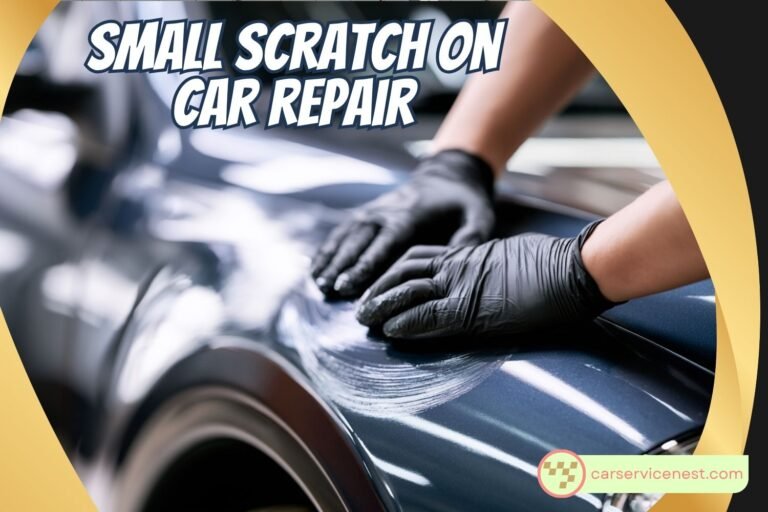
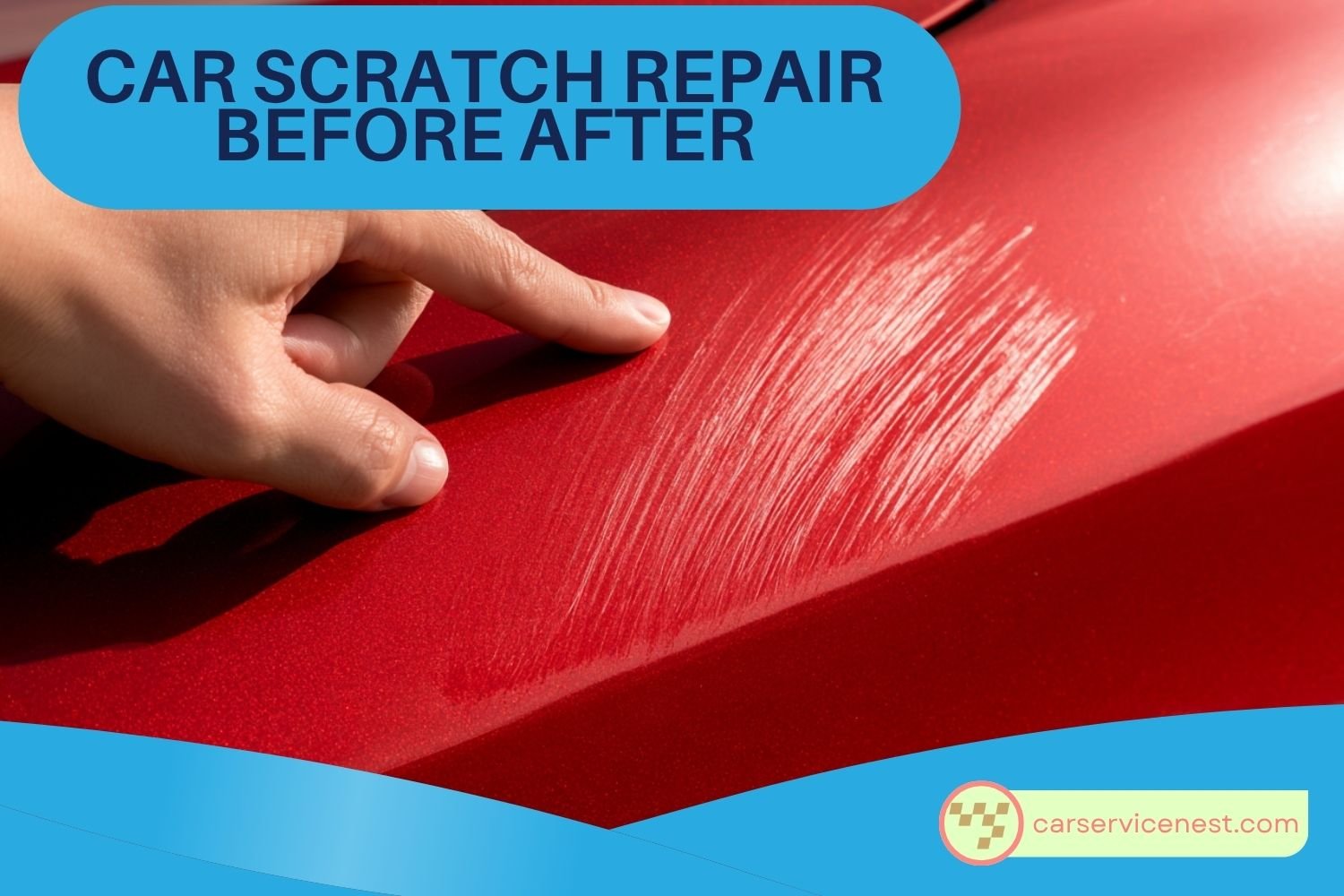
For U.S. vehicle owners, examining before and after states helps establish realistic expectations for cosmetic auto repair. Before restoration, a scratch appears as a stark white, gray, or dark line because damaged clear coat and pigment scatter light in all directions. After professional compounding, wet sanding, or color-matched touch-up sealing, the surface is leveled and polished, allowing light to reflect uniformly and rendering the defect nearly or completely invisible.
Financial Planning: How Much Does Car Maintenance Cost?
For U.S. vehicle owners managing household expenses, understanding how much car maintenance costs is essential to prevent unexpected financial burdens. On average, routine maintenance and minor repairs cost U.S. vehicle owners between $400 and $800 annually (or up to $1,200 depending on vehicle age, mileage, and make). While modern engineering has extended service intervals, ignoring foundational items like oil changes, brake inspections, and tire rotations can transform minor preventative upkeep into multi-thousand-dollar emergency repairs. Understanding these typical costs allows drivers to plan and protect their long-term automotive investment.
Vehicle upkeep expenses depend on how frequently you drive and the lifecycle stage of your car. Newer automobiles require mostly basic fluid changes, whereas aging cars demand heavy component replacements.
1. Routine Upkeep and Fluid Changes ($350 – $600 Annually): Routine maintenance covers scheduled items like synthetic oil changes, filter replacements, and tire rotations performed every 5,000 to 7,500 miles.
2. Wear-and-Tear Replacements ($300 – $550 Annually): Consumable parts wear down over time. Budgeting for brake pad replacements, wiper blade swaps, and periodic tire balancing covers these inevitable wear items.
3. Milestone and Minor Repairs ($250 – $500 Annually): As odometers climb past 60,000 miles, setting aside funds for spark plug replacements, coolant flushes, and minor electrical checks ensures financial stability.
Safety Assessment and Risk Levels
When evaluating your vehicle’s paint damage and preparing for scratch restoration, classify your situation using this practical scale:
Monitor: Light clear coat swirl marks and minor aesthetic blemishes that can wait while you prioritize mechanical maintenance tasks.
Service Soon: Moderate surface scuffs or minor paint chips; schedule a DIY touch-up session or polishing appointment.
Urgent Repair: Deep scratches exposing primer or bare metal that require immediate sealing to prevent corrosion.
Stop Immediately / Professional Body Shop Priority: If a scratch exposes bare metal or covers multiple body panels, visit a professional body shop immediately to secure a flawless before-and-after restoration and prevent rust oxidation.
Adhering to strict safety standards and sealing bare metal promptly prevents rust blistering and extensive panel damage on every U.S. roadway.
Top 4 Categories of Scratch Repair Before-and-After Scenarios
A comprehensive review of automotive restoration results across the United States generally highlights four primary before-and-after transformation scenarios:
1. Clear Coat Swirls & Scuffs: Before: Dull, spiderweb-like hazing under sunlight. After: Mirror-like clarity achieved entirely through dual-action machine polishing.
2. Minor Rock Chips & Door Dings: Before: Noticeable dark or metallic speckles on front bumpers. After: Sealed and leveled OEM touch-up paint that blends cleanly into surrounding panels.
3. Deep Primer Gouges: Before: Wide grooves exposing gray primer or bare steel. After: Cleaned, primed, painted, and clear-coated surfaces offering complete rust protection.
4. Plastic Bumper Scrapes: Before: Ugly black plastic showing through scraped corner paint. After: Re-textured, primed, and spray-painted bumper matching factory specifications.
Master Before-and-After Transformation Matrix
Reference this structured matrix to review what before-and-after outcomes to expect based on scratch depth and repair method.
| Scratch Severity (Before State) | Restoration Method Applied | Expected Result (After State) |
| Light Clear Coat Scuff | Rubbing compound and polishing pad buffing. | 100% invisible finish; surface restored to original gloss. |
| Base Coat Paint Chip | OEM touch-up pen and clear coat sealing. | Smooth texture; minor touch-up texture visible upon close inspection. |
| Deep Metal Gouge | Sanding, rust primer, base coat, and clear coat spray. | Completely protected against rust; clean visual blend from normal viewing distance. |
| Severe Panel Scrape | Professional body shop sanding, filling, and spray booth painting. | Factory-quality seamless finish with zero trace of prior damage. |
Service Duration Planning: How Long Does It Take for Car Maintenance?
For U.S. vehicle owners balancing busy daily commitments, knowing how long car maintenance takes is critical for planning transportation and work schedules. Whether you are dropping off your vehicle for a quick oil change or a comprehensive mileage milestone inspection, service turnaround times vary widely based on the specific mechanical task, shop workflow, and part availability. Standard minor services like an oil and filter change typically take 30 to 45 minutes, whereas comprehensive major services or complex mechanical repairs can require anywhere from 2 to 4 hours or even a full working day. Understanding these timeframes helps drivers manage expectations, coordinate rides, and ensure their vehicles receive proper professional attention.
Not all vehicle maintenance tasks are created equal. While some minor services are engineered for maximum speed in dedicated express lanes, comprehensive checkups require meticulous testing, teardown, and precision labor.
1. Routine Minor Services (30 to 60 Minutes): Proactive minor services, such as conventional or synthetic oil changes, windshield wiper blade replacements, cabin air filter swaps, and quick tire pressure checks, are designed for rapid turnaround.
2. Intermediate and Milestone Services (1 to 3 Hours): Services occurring at regular mileage increments (such as tire rotations, brake fluid flushes, wheel alignments, and spark plug replacements) involve multiple vehicle systems and require specialized equipment, extending the timeframe to between 1 and 3 hours.
3. Major Overhauls and Complex Repairs (3 to 6+ Hours): Major services, including timing belt replacements, transmission fluid flushes, suspension strut swaps, or complex electrical diagnostics, demand extensive labor and cooling or lifting time, frequently requiring the vehicle to remain at the shop for half a day or longer.
Car Maintenance Duration Matrix
Reference this structured matrix to review service categories, average time requirements, and included maintenance tasks.
| Service Category | Average Duration | Primary Tasks Included |
| Oil Change & Filter Swap | 30 – 45 Minutes | Draining oil, replacing oil filter, refilling fluid, visual safety check. |
| Oil Change & Tire Rotation | 45 – 60 Minutes | Oil service plus rotating tires, checking tread depth, and adjusting tire pressure. |
| Brake Pad Replacement (Per Axle) | 1.5 – 2.5 Hours | Installing new brake pads, inspecting or machining rotors, bleeding brake lines. |
| DIY Home Scratch Touch-Up | 30 to 60 Minutes | Cleaning, compounding, and applying touch-up paint or polish in driveway. |
| Mobile Detailer Paint Correction | 1 to 3 Hours | Machine polishing and compounding to eliminate surface swirl marks. |
| Body Shop Panel Preparation | 1 to 2 Days | Sanding, filling, and priming damaged body panels in a spray booth. |
| Full Panel Painting & Curing | 2 to 5 Business Days | Spraying base and clear coats, heat baking, and curing for seamless results. |
Cost Comparison: Service Strategy & Financial Impact Matrix
Use this matrix to analyze how DIY repair results contrast financially with professional body shop transformations.
| Restoration Approach | Financial & Operational Profile | Before-and-After Quality Impact |
| DIY Touch-Up Kit | Low out-of-pocket cost ($20 – $50 for retail kits). | Decent before-and-after improvement for small chips; finish depends heavily on user skill. |
| Professional Detailer / PDR | Moderate expense ($150 – $400 for paint correction). | Dramatically improves before state; removes 90%+ of surface defects and restores high gloss. |
| Conventional Body Shop | High expense ($400 – $1,500+ per repainted panel). | Flawless before-and-after transformation with factory color-matching and smooth panel blending. |
Master Service Schedule for General Maintenance on a Car
Following a time and mileage-based schedule ensures that no critical maintenance item is overlooked:
Minor Routine Service (Every 5,000 to 7,500 Miles / 6 Months): Synthetic engine oil and filter replacement; tire rotation and cold inflation pressure check; topping off washer fluid; visual check of brakes, belts, and lights.
Intermediate Maintenance (Every 15,000 to 30,000 Miles / 12 to 24 Months): Engine air filter and cabin HVAC filter renewals; hydraulic brake fluid moisture test and flush; battery conductance load test; wiper blade replacements.
Major Mileage Overhaul (Every 60,000 to 100,000 Miles / 5 to 8 Years): Automatic transmission fluid exchange; radiator coolant flush; iridium spark plug replacement; serpentine drive belt and tensioner renewal; differential gear oil replacement.
General Maintenance Inspection & Service Matrix
Review the master service matrix detailing component inspection tasks, frequencies, and action triggers.
| Service Category | Average Duration | Primary Tasks Included |
| Paint Surface & Scratch Inspection | Inspects exterior body panels for fresh scuffs, rock chips, and clear coat hazing | Monthly |
| Factory Paint Code Verification | Checks manufacturer door jamb placard for exact paint formulation codes | Before Buying Kits |
| Wax or Ceramic Coating Application | Applies protective UV barrier over clear coat to prevent oxidation | Every 3 to 6 months |
| Engine Oil & Filter | Full synthetic motor oil & OEM filter exchange | 5,000 – 7,500 Miles / 6 Mo |
Frequently Asked Questions
- What do car scratch repair before after transformations look like?
Before repairs show glaring white lines or dull grooves; after transformations, surfaces are smooth, glossy, and uniform, significantly hiding or eliminating the defect. - Can deep metal scratches be made completely invisible during restoration?
While deep scratches can be filled, sealed against rust, and blended smoothly, a microscopic trace may sometimes be visible upon very close inspection unless the entire panel is repainted. - How do DIY scratch repair results compare to professional body shop work?
DIY kits offer economical improvement for small chips, whereas professional body shops utilize spray booths and color-matching technology for seamless, showroom-quality results. - What factors determine whether a scratch can be fully corrected?
Scratch depth is the primary factor: clear coat scuffs disappear completely with polishing, while base coat and primer gouges require touch-up paint or professional filling. - Where can I find my vehicle’s official factory paint code for touch-up work?
Your car’s factory paint code is typically located on the manufacturer placard inside the driver’s side door jamb or under the hood. - Does auto insurance cover car scratch repair transformations?
Insurance covers vandalism or collision scratches if total repair costs exceed your policy deductible, though minor blemishes are usually paid out of pocket. - What happens if you leave a scratch unpainted before attempting restoration?
Unpainted scratches exposed to moisture and road salt develop rust corrosion underneath the clear coat, complicating the before-and-after restoration process. - How long does professional scratch restoration take to show final results?
Mobile touch-up or detailing takes 1 to 3 hours, while traditional body shop panel repainting requires 2 to 5 business days for proper paint curing.
Final Practical Takeaway
When tackling minor paint damage, mastering car scratch repair before after results comes down to correctly identifying whether the clear coat or base coat is compromised. By taking time to properly clean the surface, apply touch-up paint with precision, and finish with a smooth rubbing compound, your car scratch repair before after visual difference can be truly remarkable. Ultimately, investing a little patience in a DIY car scratch repair before after process not only restores your vehicle’s showroom shine and protects the metal from rust, but it also saves you hundreds of dollars in professional body shop expenses.