Introduction
Mastering how to repair car bodywork, such as evaluating exterior cosmetic restoration pricing ranging from $20 to $60 for DIY scratch touch-up kits and plastic bumper fillers to $350 to $2,500+ for professional body shop panel dent removal, metal straightening, and computerized paint matching across the United States, combines targeted exterior maintenance with smart household budgeting.
Navigating automotive body restoration choices, such as balancing proper lightweight body filler application methods and protective UV clear coat protocols against unbudgeted rust formation and vehicle depreciation risks, ensures you protect your personal finances from unnecessary repair shop overcharges while restoring a flawless factory finish. Whether you are reviewing dent pulling, scratch sanding, and primer application steps, analyzing DIY kit versus professional auto body shop fee breakdowns, or following structured itemized restoration roadmaps, understanding expert automotive bodywork workflows allows you to execute an informed operational strategy that keeps your vehicle protected on U.S. roadways while preserving its overall market resale value.
Essential Techniques for Professional Car Bodywork Repair
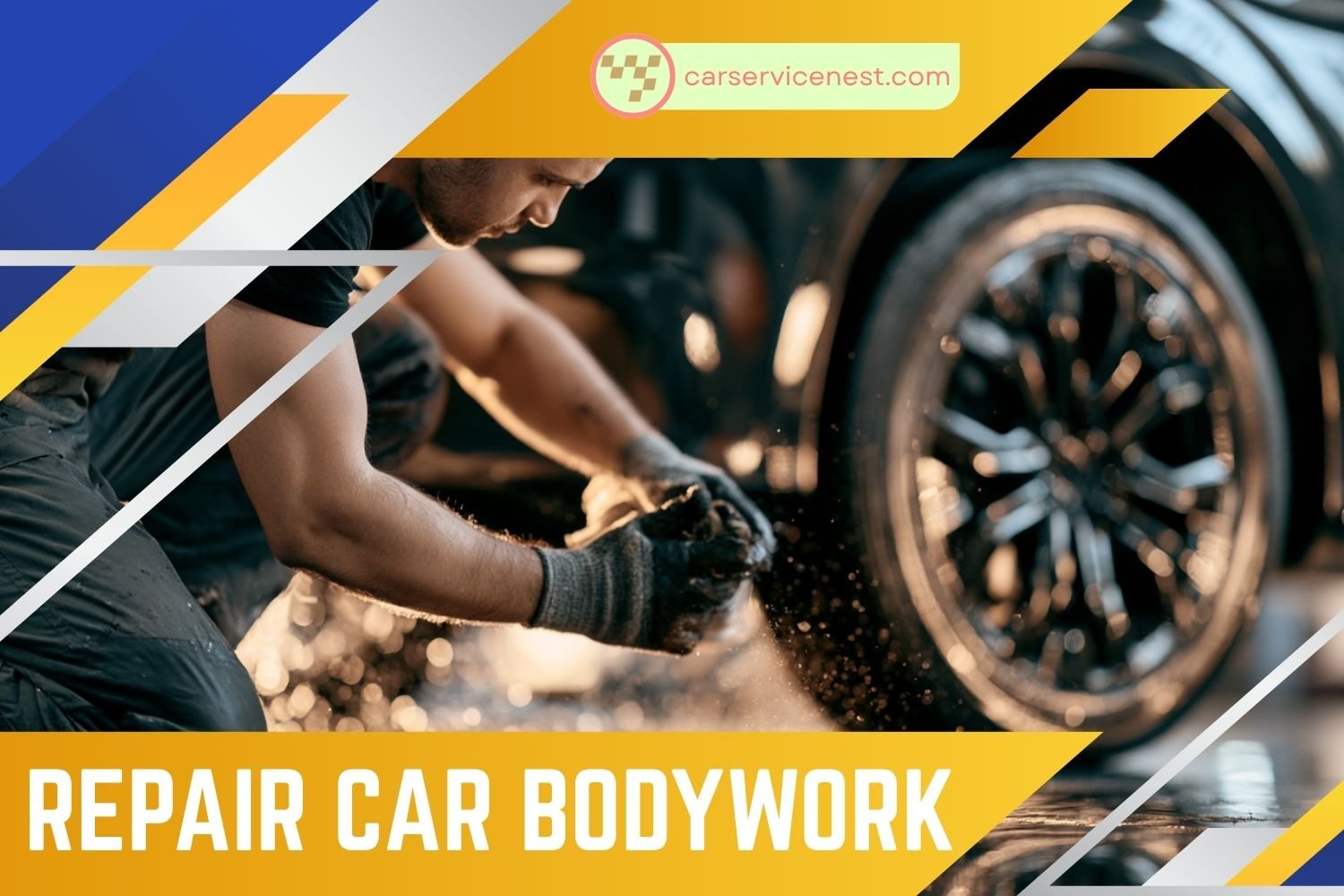
Restoring vehicle exterior panels requires specialized skill sets ranging from non-invasive dent pulling to multi-stage paint refinishing
1. Paintless Dent Repair (PDR) for Dings: Using specialized metal rods and adhesive pullters to massage minor dents and parking lot dings out from behind the panel without disturbing the factory finish (Preserves original manufacturer paint and cuts restoration time significantly).
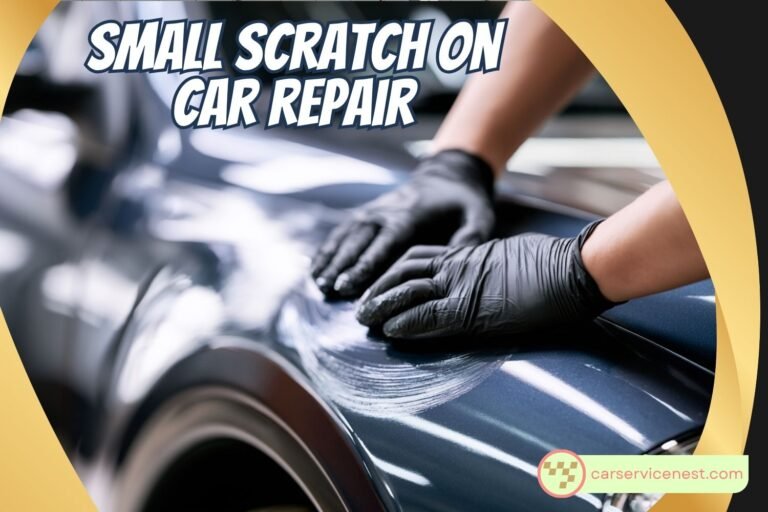
2. Scratch Sanding, Filler, and Priming: Feather-edging deep paint scratches down to bare metal, applying lightweight body filler for smoothness, and spraying high-build primer (Creates an even, flawless substrate foundation before color coating).
3. Computerized Paint Matching and Clear Coating: Scanning vehicle color codes with digital spectrophotometers and spraying factory-matched base coat followed by protective UV clear coat (Ensures seamless color blending so repaired sections are completely indistinguishable).
Financial Planning: How Much Does Car Maintenance Cost?
For U.S. vehicle owners managing household expenses, understanding how much a car maintenance cost is essential to prevent unexpected financial burdens. On average, routine maintenance and minor repairs cost U.S. vehicle owners between $400 and $800 annually (or up to $1,200 depending on vehicle age, mileage, and make). While modern engineering has extended service intervals, ignoring foundational items like oil changes, brake inspections, and tire rotations can transform minor preventative upkeep into multi-thousand-dollar emergency repairs. Understanding these typical costs allows drivers to plan ahead and protect their long-term automotive investment.
Vehicle upkeep expenses depend on how frequently you drive and the lifecycle stage of your car. Newer automobiles require mostly basic fluid changes, whereas aging cars demand heavy component replacements.
1. Routine Upkeep and Fluid Changes ($350 – $600 Annually): Routine maintenance covers scheduled items like synthetic oil changes, filter replacements, and tire rotations performed every 5,000 to 7,500 miles.
2. Wear-and-Tear Replacements ($300 – $550 Annually): Consumable parts wear down over time. Budgeting for brake pad replacements, wiper blade swaps, and periodic tire balancing covers these inevitable wear items.
3. Milestone and Minor Repairs ($250 – $500 Annually): As odometers climb past 60,000 miles, setting aside funds for spark plug replacements, coolant flushes, and minor electrical checks ensures financial stability.
Safety Assessment and Urgency Levels
Evaluate whether your vehicle’s exterior body damage requires immediate attention or routine monitoring
Monitor: Minor clear-coat scuffs or surface blemishes that do not expose bare sheet metal or compromise structural integrity.
Service Soon: Moderate door dings or bumper scuffs that should be addressed before environmental moisture causes oxidation.
Service Immediately / Tow Immediately: Severe panel crumpling, sharp metal tears, or damage affecting door and window alignment requiring immediate professional service.
Stop Immediately / Structural Collision Hazard: Never continue driving if body damage compromises active safety systems, door latches, or structural frame members, as unaddressed collision damage creates severe safety hazards on U.S. roadways.
Adhering to strict safety standards and servicing compromised body panels immediately prevents structural failures and dangerous driving conditions across every U.S. community.
Car Bodywork Repair Cost & Service Comparison Table
Review estimated U.S. labor rates, service timeframes, and descriptions for common automotive bodywork services.
| Bodywork Service Type | Estimated U.S. Cost Range | Typical Turnaround Time |
| DIY Scratch Touch-Up & Polishing Kit | $20 – $50 | 1 – 2 Hours |
| Paintless Dent Repair (PDR) – Single Panel | $150 – $350 | 2 – 4 Hours |
| Bumper Scuff Repair & Partial Painting | $300 – $700 | 1 – 2 Days |
| Full Door or Fender Bodywork & Refinishing | $750 – $1,800 | 2 – 4 Days |
Service Duration Planning: How Long Does It Take for Car Maintenance?
For U.S. vehicle owners balancing busy daily commitments, knowing how long car maintenance takes is critical for planning transportation and work schedules. Whether you are dropping off your vehicle for a quick oil change or a comprehensive mileage milestone inspection, service turnaround times vary widely based on the specific mechanical task, shop workflow, and part availability. Standard minor services like an oil and filter change typically take 30 to 45 minutes, whereas comprehensive major services or complex mechanical repairs can require anywhere from 2 to 4 hours or even a full working day. Understanding these timeframes helps drivers manage expectations, coordinate rides, and ensure their vehicles receive proper professional attention.
Not all vehicle maintenance tasks are created equal. While some minor services are engineered for maximum speed in dedicated express lanes, comprehensive checkups require meticulous testing, teardown, and precision labor.
1. Routine Minor Services (30 to 60 Minutes): Proactive minor services, such as conventional or synthetic oil changes, windshield wiper blade replacements, cabin air filter swaps, and quick tire pressure checks, are designed for rapid turnaround.
2. Intermediate and Milestone Services (1 to 3 Hours): Services occurring at regular mileage increments (such as tire rotations, brake fluid flushes, wheel alignments, and spark plug replacements) involve multiple vehicle systems and require specialized equipment, extending the timeframe to between 1 and 3 hours.
3. Major Overhauls and Bodywork Restorations (1 Hour to 4 Days): Major services, including DIY polishing kits, single-panel PDR, bumper scuff repairs, or full fender refinishing, demand meticulous craftsmanship, requiring anywhere from 1 hour to 4 days to complete.
Car Maintenance Duration Matrix
Reference this structured matrix to review service categories, average time requirements, and included maintenance tasks.
| Service Category | Average Duration | Primary Tasks Included |
| Oil Change & Filter Swap | 30 – 45 Minutes | Draining oil, replacing oil filter, refilling fluid, visual safety check. |
| Oil Change & Tire Rotation | 45 – 60 Minutes | Proactive tire rotation, tread depth checks, and pressure adjustments. |
| Brake Pad Replacement (Per Axle) | 1.5 – 2.5 Hours | Installing new brake pads, inspecting rotors, and bleeding lines. |
| DIY Scratch Touch-Up | 1 to 2 Hours | Cleaning area, applying touch-up paint, and polishing clear coat. |
| Paintless Dent Repair (PDR) | 2 to 4 Hours | Massaging minor dents out from behind panel using specialized rods. |
| Full Fender Bodywork & Paint | 2 to 4 Days | Reshaping metal, priming, spray painting, and UV clear coating. |
Cost Comparison: Bodywork Repair Service Tiers Matrix
Comparing average U.S. repair costs highlights pricing expectations across DIY kits, PDR services, bumper repairs, and full panel refinishing.
| Bodywork Repair Service Tier | Average Materials Cost | Average Total Shop / DIY Cost |
| DIY Touch-Up Kit | $15 – $35 | $20 – $50 |
| Single-Panel PDR | $30 – $80 | $150 – $350 |
| Bumper Scuff Repair | $80 – $200 | $300 – $700 |
| Full Fender Refinish | $200 – $500 | $750 – $1,800 |
Master Service Schedule for General Maintenance on a Car
Following a time and mileage-based schedule ensures that no critical maintenance item is overlooked
Minor Routine Service (Every 5,000 to 7,500 Miles / 6 Months): Synthetic engine oil and filter replacement; tire rotation and cold inflation pressure check; topping off washer fluid; visual check of brakes, belts, and lights.
Intermediate Maintenance (Every 15,000 to 30,000 Miles / 12 to 24 Months): Engine air filter and cabin HVAC filter renewals; hydraulic brake fluid moisture test and flush; battery conductance load test; wiper blade replacements.
Major Mileage Overhaul (Every 60,000 to 100,000 Miles / 5 to 8 Years): Automatic transmission fluid exchange; radiator coolant flush; iridium spark plug replacement; serpentine drive belt and tensioner renewal; differential gear oil replacement.
General Maintenance Inspection & Service Matrix
Review the master service matrix detailing component inspection tasks, frequencies, and action triggers.
| Service Category | Average Duration | Personal Maintenance Tasks Included |
| Exterior Paint & Body Inspection | 10 to 15 Minutes | Checking doors, hoods, and bumpers monthly for new parking lot scrapes and dings. |
| Wash & Wax Protection Care | 45 to 60 Minutes | Washing and waxing vehicle exterior bi-monthly to protect clear coat from UV fading. |
| Engine Oil & Filter | Full synthetic motor oil & OEM filter exchange | 5,000 – 7,500 Miles / 6 Mo |
Frequently Asked Questions
1. Can all car scratches be fixed with a simple polishing compound?
No, polishing compounds can only remove very light clear-coat scratches and surface scuffs. Deeper scratches may require professional repair car bodywork, including sanding, filling, and repainting.
2. Is paintless dent repair effective on sharp creases or damaged panels?
Paintless dent repair works best on small, smooth dents where the original paint remains intact. Sharp creases, stretched metal, or severely damaged panels usually require traditional repair car bodywork and repainting.
3. Should I file an insurance claim for minor car bodywork scratches?
Before filing an insurance claim, compare the repair estimate with your insurance deductible. If the repair cost is close to or lower than your deductible, paying out of pocket may be more practical.
4. How long does automotive body paint take to cure fully?
Automotive paint may become ready for handling within a short period, depending on the curing method. However, the clear coat can take several weeks to reach its full hardness and chemical resistance. Follow your repair shop’s aftercare instructions.
5. Does leaving a paint chip unrepaired cause permanent damage?
Yes, exposed metal can develop rust when exposed to moisture, humidity, and road salt. Prompt repair car bodywork helps prevent corrosion from spreading beneath the surrounding paint.
6. Can I use regular household spray paint to fix a car bumper?
No, household spray paint is not designed for automotive surfaces. It may cause poor adhesion, uneven finishes, and color mismatches. Use suitable automotive-grade primer, paint, and clear coat for proper repairs.
7. What is the benefit of computerized paint color matching?
Computerized paint matching uses specialized scanning technology to identify paint colors and account for fading. This helps technicians achieve a closer color match when completing professional repair car bodywork.
8. Are professional body shop repairs backed by warranties?
Many reputable body shops offer written warranties covering workmanship, paint adhesion, and certain repair defects. Always review the warranty terms before approving the repair car bodywork service.
Final Takeaway
To successfully repair car bodywork, prioritize assessing the extent of the damage before attempting any sanding, filling, or painting. Minor scratches and shallow dents can often be managed with DIY kits, but structural damage, rust penetration, or deep frame distortions require professional intervention to maintain vehicle safety and structural integrity. By following a methodical approach, cleaning the surface thoroughly, applying quality automotive primers, and matching paint codes precisely, you can achieve a durable, professional-grade finish that protects your car against future corrosion.