Introduction
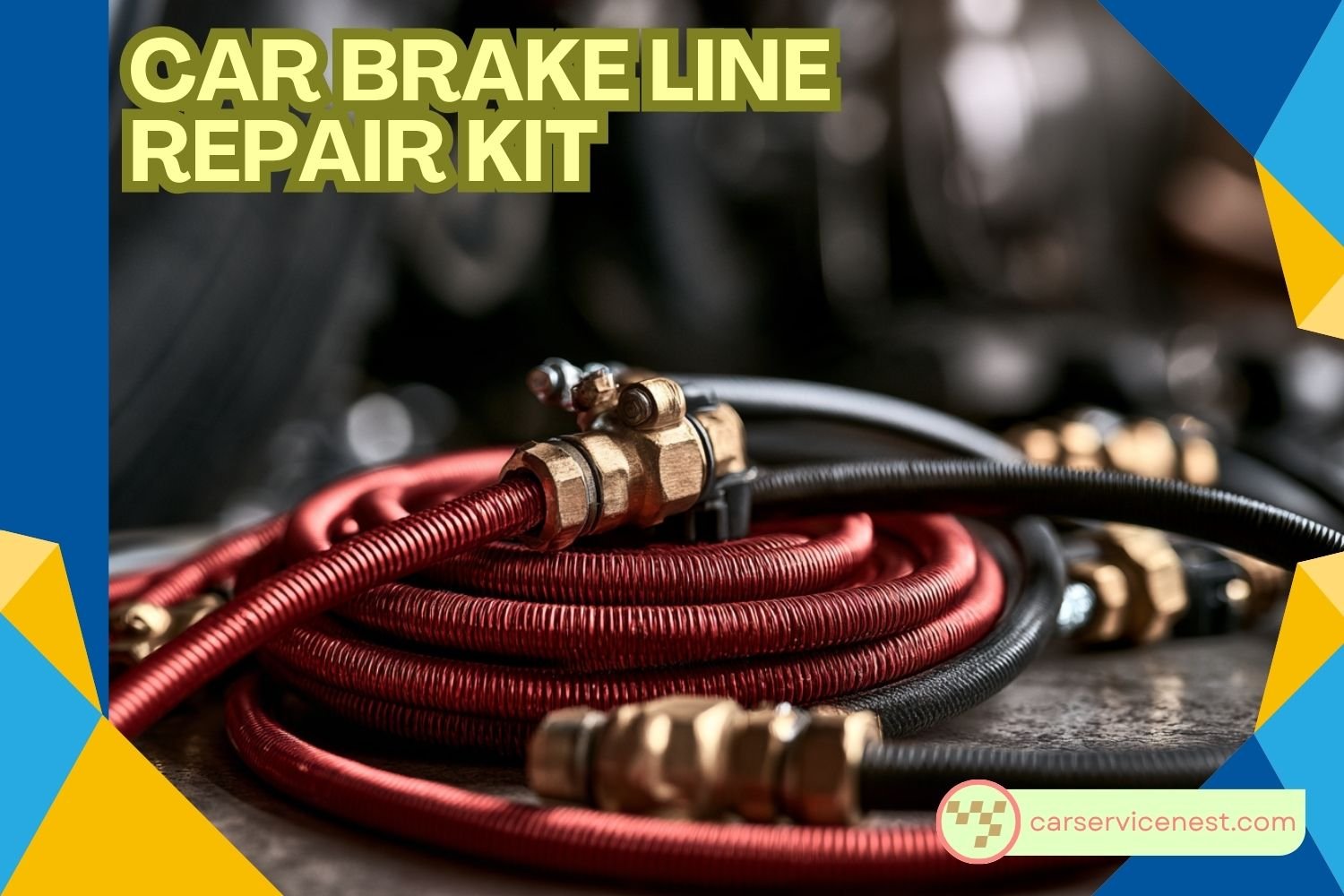
Utilizing a car brake line repair kit, such as comprehensive tool sets and tubing assortments ranging from $30 for basic kits to $150+ for professional master flaring and bending tools featuring high-strength nickel-copper (NiCopp) alloys and double-flaring equipment to fix rusted, salt-damaged, or ruptured hydraulic lines when pedal pressure drops across the United States, combines critical safety maintenance with smart DIY budgeting.
Navigating emergency automotive repair choices, such as balancing professional shop fees against safe, economical at-home hydraulic line replacements, ensures you protect your personal finances from expensive towing and labor bills. Whether you are reviewing brake line burst evaluation steps, analyzing double-flaring tool specifications, or following structured itemized installation roadmaps, understanding expert mechanic workflows allows you to execute an informed operational strategy that keeps your braking system completely secure on U.S. roadways while preserving its overall mechanical reliability.
Essential Components of a Brake Line Repair Kit
Reliable brake line repair kits provide the necessary hardware and instrumentation to fabricate leak-free hydraulic lines:
1. Nickel-Copper (NiCopp) or Steel Tubing Coils: Flexible, corrosion-resistant 3/16-inch or 1/4-inch metal lines capable of withstanding 3,000+ PSI hydraulic pressure.
2. Professional Flaring Tool Set: Yoke, flaring bars, and adapters designed to shape 37-degree or 45-degree single, double, or bubble flares on tubing ends.
3. Threaded Fittings and Unions: Assorted metric and standard threaded nuts, connectors, and coupling unions to splice new lines into existing factory systems.
4. Tubing Cutters and Benders: Manual hand tools ensuring clean cuts and smooth radius bends without kinking or restricting fluid flow.
Financial Planning: How Much Does Car Maintenance Cost?
For U.S. vehicle owners managing household expenses, understanding how much a car maintenance cost is essential to prevent unexpected financial burdens. On average, routine maintenance and minor repairs cost U.S. vehicle owners between $400 and $800 annually (or up to $1,200 depending on vehicle age, mileage, and make). While modern engineering has extended service intervals, ignoring foundational items like oil changes, brake inspections, and tire rotations can transform minor preventative upkeep into multi-thousand-dollar emergency repairs. Understanding these typical costs allows drivers to plan ahead and protect their long-term automotive investment.
Vehicle upkeep expenses depend on how frequently you drive and the lifecycle stage of your car. Newer automobiles require mostly basic fluid changes, whereas aging cars demand heavy component replacements.
1. Routine Upkeep and Fluid Changes ($350 – $600 Annually): Routine maintenance covers scheduled items like synthetic oil changes, filter replacements, and tire rotations performed every 5,000 to 7,500 miles.
2. Wear-and-Tear Replacements ($300 – $550 Annually): Consumable parts wear down over time. Budgeting for brake pad replacements, wiper blade swaps, and periodic tire balancing covers these inevitable wear items.
3. Milestone and Minor Repairs ($250 – $500 Annually): As odometers climb past 60,000 miles, setting aside funds for spark plug replacements, coolant flushes, and minor electrical checks ensures financial stability.
Safety Assessment and Risk Levels
When evaluating your vehicle’s hydraulic brake lines and preparing for repairs, classify your situation using this practical scale:
1. Monitor: Minor surface scale or light cosmetic oxidation on chassis brake lines with zero fluid weeping or pedal softness.
2. Service Soon: Heavy localized rust flaking on steel brake lines; schedule a weekend replacement using a NiCopp repair kit before winter.
3. Urgent Repair: Spongy brake pedal feel or damp fluid seepage visible along chassis line runs during routine maintenance checks.
4. Stop Immediately / Extreme Safety Hazard: Compromised hydraulic brake lines result in total loss of stopping power. Never test patched brake lines without thoroughly pressure-testing the pedal and bleeding all air from the system.
Adhering to strict professional repair protocols and pressure-testing fabricated lines ensures absolute stopping power and prevents catastrophic highway brake failure.
Required Kits & Estimated U.S. Purchase Costs
Brake line repair kit pricing varies based on whether you are purchasing raw tubing assortments, professional flaring tool sets, or all-in-one restoration bundles. Below is a U.S. average cost breakdown.
| Brake Line Repair Kit Type | Primary Contents & Application | Estimated U.S. Price Range |
| Basic Tubing & Fitting Assortment Kit | 25-foot NiCopp tubing coil, assorted standard/metric fittings, and unions. | $30 – $60 |
| Professional Double Flaring Tool Set | Yoke, flaring bar, adapters, mini tubing cutter, and deburring tool. | $40 – $90 |
| Complete Master Brake Line Repair Kit | Combines tubing coils, fittings, flaring tool, tube bender, and cutter. | $80 – $160 |
| Hydraulic Flaring Tool Master Kit | Heavy-duty hydraulic press flaring set for fast professional garage use. | $150 – $350+ |
Service Duration Planning: How Long Does It Take for Car Maintenance?
For U.S. vehicle owners balancing busy daily commitments, knowing how long car maintenance takes is critical for planning transportation and work schedules. Whether you are dropping off your vehicle for a quick oil change or a comprehensive mileage milestone inspection, service turnaround times vary widely based on the specific mechanical task, shop workflow, and part availability. Standard minor services like an oil and filter change typically take 30 to 45 minutes, whereas comprehensive major services or complex mechanical repairs can require anywhere from 2 to 4 hours or even a full working day. Understanding these timeframes helps drivers manage expectations, coordinate rides, and ensure their vehicles receive proper professional attention.
Not all vehicle maintenance tasks are created equal. While some minor services are engineered for maximum speed in dedicated express lanes, comprehensive checkups require meticulous testing, teardown, and precision labor.
1. Routine Minor Services (30 to 60 Minutes): Proactive minor services, such as conventional or synthetic oil changes, windshield wiper blade replacements, cabin air filter swaps, and quick tire pressure checks, are designed for rapid turnaround.
2. Intermediate and Milestone Services (1 to 3 Hours): Services occurring at regular mileage increments (such as tire rotations, brake fluid flushes, wheel alignments, and spark plug replacements) involve multiple vehicle systems and require specialized equipment, extending the timeframe to between 1 and 3 hours.
3. Major Overhauls and Complex Repairs (3 to 6+ Hours): Major services, including timing belt replacements, transmission fluid flushes, suspension strut swaps, or complex electrical diagnostics, demand extensive labor and cooling or lifting time, frequently requiring the vehicle to remain at the shop for half a day or longer.
Car Maintenance Duration Matrix
Reference this structured matrix to review service categories, average time requirements, and included maintenance tasks.
| Service Category | Average Duration | Primary Tasks Included |
| Oil Change & Filter Swap | 30 – 45 Minutes | Draining oil, replacing oil filter, refilling fluid, visual safety check. |
| Oil Change & Tire Rotation | 45 – 60 Minutes | Oil service plus rotating tires, checking tread depth, and adjusting tire pressure. |
| Brake Pad Replacement (Per Axle) | 1.5 – 2.5 Hours | Installing new brake pads, inspecting or machining rotors, bleeding brake lines. |
| Single Brake Line Section Repair | 1 to 2 Hours | Cutting rusted line, flaring new NiCopp tubing, and splicing with union. |
| Long Main Line Run Replacement | 2 to 4 Hours | Bending full-length chassis runs, routing safely away from exhaust, and flaring. |
| Hydraulic System Bleeding | 30 to 60 Minutes | Flushing old fluid and purging air bubbles from all four brake calipers. |
Cost Comparison: DIY Brake Line Kit vs. Professional Mechanic Matrix
Comparing DIY brake line kit expenses against professional mechanic labor rates highlights significant savings.
| Repair Approach | Labor & Material Source | Estimated Total Cost |
| DIY Brake Line Repair Kit & Tools | Purchasing kit and performing labor yourself. | $50 – $150 (Materials & tools) |
| Independent Auto Repair Shop | $90 – $130 / hr shop labor plus parts. | $250 – $600 |
| Car Dealership Service Center | $130 – $180+ / hr dealership labor. | $400 – $900+ |
| Mobile Mechanic Brake Service | On-site flat rate labor and parts fee. | $200 – $500 |
Master Service Schedule for General Maintenance on a Car
Following a time and mileage-based schedule ensures that no critical maintenance item is overlooked:
1. Minor Routine Service (Every 5,000 to 7,500 Miles / 6 Months): Synthetic engine oil and filter replacement; tire rotation and cold inflation pressure check; topping off washer fluid; visual check of brakes, belts, and lights.
2. Intermediate Maintenance (Every 15,000 to 30,000 Miles / 12 to 24 Months): Engine air filter and cabin HVAC filter renewals; hydraulic brake fluid moisture test and flush; battery conductance load test; wiper blade replacements.
3. Major Mileage Overhaul (Every 60,000 to 100,000 Miles / 5 to 8 Years): Automatic transmission fluid exchange; radiator coolant flush; iridium spark plug replacement; serpentine drive belt and tensioner renewal; differential gear oil replacement.
General Maintenance Inspection & Service Matrix
Review the master service matrix detailing component inspection tasks, frequencies, and action triggers.
| Vehicle System DOCX | General Maintenance Task DOCX | Target Service Frequency DOCX | Action Trigger / Failure Sign DOCX |
| Brake Fluid Flush & Replacement | Removes accumulated moisture inside brake lines to prevent internal corrosion | Every 2 years / 30,000 miles | Dark or discolored brake fluid in master cylinder reservoir. |
| Brake Line Visual Inspection | Checks for rust flaking, pitting, or damp fluid seepage along chassis | Annually / Before winter | Heavy rust scaling or damp fluid spots on chassis rails. |
| Master Cylinder Fluid Level Check | Monitors for hidden hydraulic leaks or worn brake pads | Every 6 months | Low fluid level in brake reservoir container. |
| Engine Oil & Filter | Full synthetic motor oil & OEM filter exchange | 5,000 – 7,500 Miles / 6 Mo | Oil life meter <15% or dark sludgy oil. |
Frequently Asked Questions (FAQs)
1. What is included in a car brake line repair kit?
A standard car brake line repair kit typically includes nickel-copper or coated steel tubing, threaded fittings, unions, a tubing cutter, and a flaring tool set. Some comprehensive kits also include additional installation tools.
2. How much does a car brake line repair kit cost?
The price of a car brake line repair kit varies depending on its components and quality. Basic tubing and fitting kits may cost around $30, while comprehensive flaring tool kits can cost $160 or more.
3. Can I use copper tubing for car brake lines?
No, standard pure copper tubing is not suitable for brake lines because it is too soft and may not withstand vehicle vibration. Use approved nickel-copper (NiCopp) alloy tubing or manufacturer-approved brake line materials.
4. What type of flare is required for car brake lines?
Most domestic and Asian vehicles use a 45-degree double flare, while many European vehicles use a bubble (ISO) flare. Always check your vehicle manufacturer’s specifications before selecting a car brake line repair kit.
5. Do I need to bleed the brakes after replacing a brake line?
Yes, bleeding the brakes is necessary after replacing a brake line because opening the hydraulic system can allow air to enter. Proper bleeding helps restore normal brake pedal pressure and braking performance.
6. Can I repair a rusted brake line instead of replacing the entire line?
A damaged section may sometimes be replaced using an approved union fitting and compatible tubing. However, all corroded material must be removed, and the repair must follow manufacturer specifications and applicable safety requirements.
7. What size tubing is standard for car brake lines?
Most passenger cars and light trucks use 3/16-inch outer-diameter brake tubing, while some heavy-duty vehicles use 1/4-inch tubing. Always verify the correct size before purchasing a car brake line repair kit.
8. Why does a new brake line leak after installation?
Brake line leaks can result from improperly formed flares, damaged threads, incompatible fittings, or incorrect tightening. Have the hydraulic connections inspected and pressure-tested by a qualified technician before driving.
Final Takeaway
Using a car brake line repair kit empowers DIY mechanics to resolve dangerous hydraulic line failures safely and affordably. To get started on your brake line repair today, you should immediately inspect your vehicle’s underbody brake lines for rust flaking and purchase a master NiCopp tubing and flaring kit. While minor surface scale can safely wait until your next scheduled maintenance interval, you must stop driving immediately and schedule professional help or perform emergency repairs if your brake pedal feels spongy, sinks to the floor, or suffers complete hydraulic pressure loss.