Introduction
Restoring your car leather interior repair needs, such as addressing cracked driver-side bolsters, split leather seams, and faded steering wheels by utilizing DIY repair kits ranging from $30 to $80, professional mobile bolster re-dyeing and crack filling spanning $150 to $450, or full seat reupholstering costing $800 to $2,200+ across the United States, combines targeted cabin restoration with smart household budgeting.
Navigating auto upholstery choices, such as balancing professional detailing shops and flexible leather filler compounding protocols against expensive full seat replacements, ensures you protect your personal finances from unbudgeted repair bills. Whether you are reviewing leather damage assessment steps, analyzing airbrush dye matching fee breakdowns, or following structured itemized restoration roadmaps, understanding expert automotive interior technician workflows allows you to execute an informed operational strategy that keeps your vehicle’s cabin looking luxurious on U.S. roadways while preserving its overall market resale value.
Common Types of Leather Damage & Repair Solutions
Identifying specific leather wear patterns helps determine whether you can use a touch-up kit or require professional upholstery shop restoration:
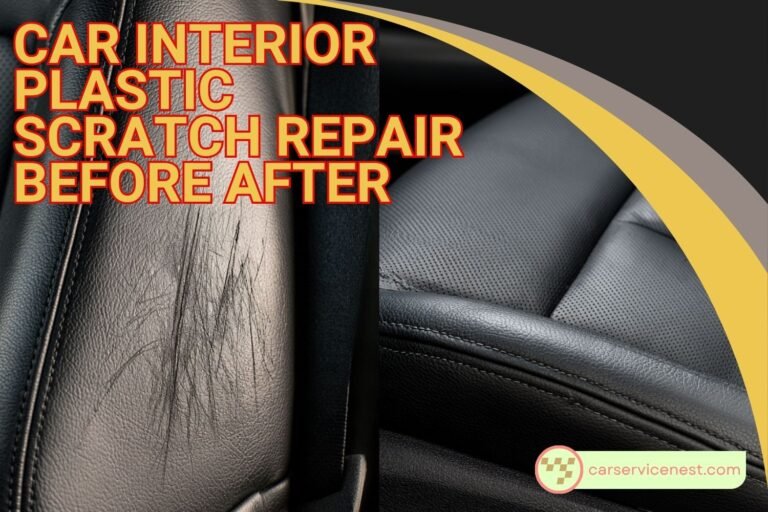
Spider Cracks & Surface Drying: Minor cracking on side bolsters caused by UV exposure and loss of natural leather oils.
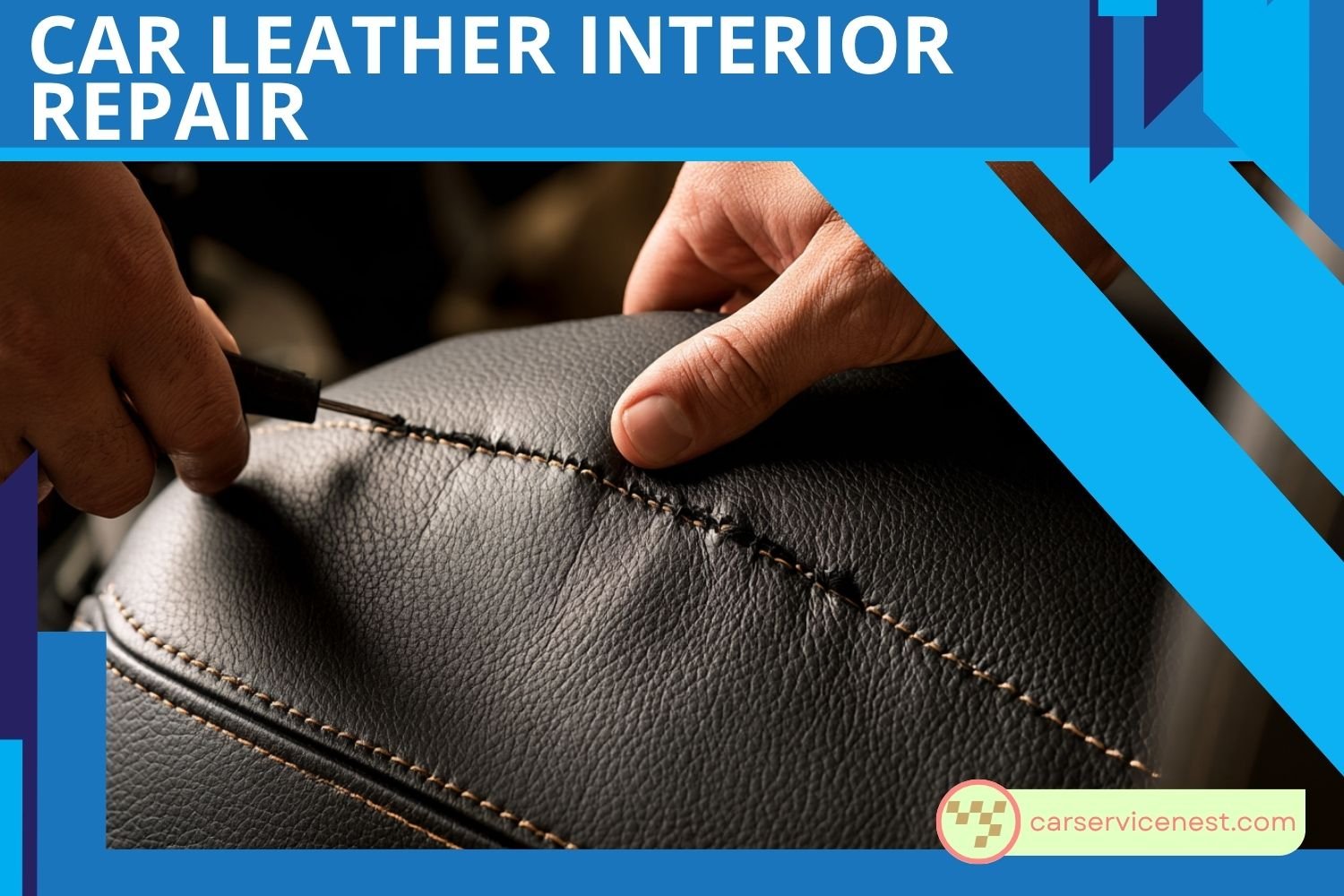
Split Seams & Open Tears: Friction wear ripping thread lines apart or tearing leather hide near seatbelt buckles.
Cigarette Burns & Scrapes: Small melting holes or deep surface gouges on seat cushions or center armrests.
Color Fading & Dye Transfer: Blue jean dye staining light-colored leather or sun exposure bleaching black leather grey.
Financial Planning: How Much Does Car Maintenance Cost?
For U.S. vehicle owners managing household expenses, understanding how much a car maintenance cost is essential to prevent unexpected financial burdens. On average, routine maintenance and minor repairs cost U.S. vehicle owners between $400 and $800 annually (or up to $1,200 depending on vehicle age, mileage, and make). While modern engineering has extended service intervals, ignoring foundational items like oil changes, brake inspections, and tire rotations can transform minor preventative upkeep into multi-thousand-dollar emergency repairs. Understanding these typical costs allows drivers to plan ahead and protect their long-term automotive investment.
Vehicle upkeep expenses depend on how frequently you drive and the lifecycle stage of your car. Newer automobiles require mostly basic fluid changes, whereas aging cars demand heavy component replacements.
1. Routine Upkeep and Fluid Changes ($350 – $600 Annually): Routine maintenance covers scheduled items like synthetic oil changes, filter replacements, and tire rotations performed every 5,000 to 7,500 miles.
2. Wear-and-Tear Replacements ($300 – $550 Annually): Consumable parts wear down over time. Budgeting for brake pad replacements, wiper blade swaps, and periodic tire balancing covers these inevitable wear items.
3. Milestone and Minor Repairs ($250 – $500 Annually): As odometers climb past 60,000 miles, setting aside funds for spark plug replacements, coolant flushes, and minor electrical checks ensures financial stability.
Safety Assessment and Risk Levels
When evaluating your vehicle’s leather damage and preparing for upholstery estimates, classify your situation using this practical scale:
Monitor: Minor surface shininess or slight leather stiffness with zero cracking or tearing.
Service Soon: Fine spider cracks forming along outer driver-side seat bolsters; schedule a professional re-dyeing appointment.
Urgent Repair: Deep leather splits, exposed foam backing, or torn seams near seatbelt anchors.
Stop Immediately / Foam Rot & Structural Expansion Hazard: Leaving leather cracks unsealed allows body moisture and dirt to rot the underlying foam cushion; address leather interior repairs promptly.
Adhering to strict safety standards and sealing leather cracks promptly prevents underlying cushion foam rot and preserves structural seat support on every U.S. roadway.
Required Services & Estimated U.S. Repair Costs
Car leather interior repair pricing combines flexible resin fillers, custom color-matched leather dyes, and upholstery stitching labor. Below is a U.S. average cost breakdown.
| Leather Repair Service | Primary Scope & Procedure | Average U.S. Cost Range |
| DIY Leather Repair & Color Kit | Cleaning, applying liquid filler compound, and hand-coloring minor cracks with retail dyes. | $30 – $80 |
| Professional Bolster Re-Dye & Crack Fix | Sanding, applying flexible leather filler, grain texturing, and airbrushing custom color. | $150 – $450 |
| Tear Patching & Seam Stitching | Gluing reinforcing sub-patches beneath rips and sewing split seams with heavy-duty thread. | $200 – $500 |
| Full Leather Seat Reupholstery Overhaul | Removing old seat covers and installing brand-new factory-grade leather panels. | $800 – $2,200+ |
Service Duration Planning: How Long Does It Take for Car Maintenance?
For U.S. vehicle owners balancing busy daily commitments, knowing how long car maintenance takes is critical for planning transportation and work schedules. Whether you are dropping off your vehicle for a quick oil change or a comprehensive mileage milestone inspection, service turnaround times vary widely based on the specific mechanical task, shop workflow, and part availability. Standard minor services like an oil and filter change typically take 30 to 45 minutes, whereas comprehensive major services or complex mechanical repairs can require anywhere from 2 to 4 hours or even a full working day. Understanding these timeframes helps drivers manage expectations, coordinate rides, and ensure their vehicles receive proper professional attention.
Not all vehicle maintenance tasks are created equal. While some minor services are engineered for maximum speed in dedicated express lanes, comprehensive checkups require meticulous testing, teardown, and precision labor.
1. Routine Minor Services (30 to 60 Minutes): Proactive minor services, such as conventional or synthetic oil changes, windshield wiper blade replacements, cabin air filter swaps, and quick tire pressure checks, are designed for rapid turnaround.
2. Intermediate and Milestone Services (1 to 3 Hours): Services occurring at regular mileage increments (such as tire rotations, brake fluid flushes, wheel alignments, and spark plug replacements) involve multiple vehicle systems and require specialized equipment, extending the timeframe to between 1 and 3 hours.
3. Major Overhauls and Complex Repairs (3 to 6+ Hours): Major services, including timing belt replacements, transmission fluid flushes, suspension strut swaps, or complex electrical diagnostics, demand extensive labor and cooling or lifting time, frequently requiring the vehicle to remain at the shop for half a day or longer.
Car Maintenance Duration Matrix
Reference this structured matrix to review service categories, average time requirements, and included maintenance tasks.
| Service Category | Average Duration | Primary Tasks Included |
| Oil Change & Filter Swap | 30 – 45 Minutes | Draining oil, replacing oil filter, refilling fluid, visual safety check. |
| Oil Change & Tire Rotation | 45 – 60 Minutes | Oil service plus rotating tires, checking tread depth, and adjusting tire pressure. |
| Brake Pad Replacement (Per Axle) | 1.5 – 2.5 Hours | Installing new brake pads, inspecting or machining rotors, bleeding brake lines. |
| DIY Leather Repair Kit Application | 1 to 2 Hours | Cleaning surface, filling minor bolster cracks, and applying retail dye. |
| Mobile Bolster Re-Dye & Crack Fill | 2 to 4 Hours | Sanding cracks, applying flexible filler, grain texturing, and airbrushing dye. |
| Tear Patching & Seam Stitching | 3 to 5 Hours | Inserting reinforcement sub-patches and sewing split seams with heavy thread. |
| Full Leather Interior Reupholstery | 1 to 2 Days | Stripping old upholstery and installing factory-grade leather seat covers. |
Cost Comparison: Mobile Upholstery Tech vs. Specialty Shop Matrix
Hourly artisan labor rates and service delivery fees differ between mobile interior specialists and stationary upholstery shops.
| Service Provider | Service Delivery | Estimated Leather Repair Range |
| Mobile Interior Restoration Technician | Comes to your home or office driveway | $150 – $450 |
| Local Automotive Upholstery Shop | In-shop custom stitching & leather dye | $200 – $900 |
| Franchised Car Dealership Service Bay | OEM replacement seat covers & parts | $800 – $2,500+ |
| DIY Leather Repair Kit | Done by vehicle owner at home | $30 – $80 |
Master Service Schedule for General Maintenance on a Car
Following a time and mileage-based schedule ensures that no critical maintenance item is overlooked:
Minor Routine Service (Every 5,000 to 7,500 Miles / 6 Months): Synthetic engine oil and filter replacement; tire rotation and cold inflation pressure check; topping off washer fluid; visual check of brakes, belts, and lights.
Intermediate Maintenance (Every 15,000 to 30,000 Miles / 12 to 24 Months): Engine air filter and cabin HVAC filter renewals; hydraulic brake fluid moisture test and flush; battery conductance load test; wiper blade replacements.
Major Mileage Overhaul (Every 60,000 to 100,000 Miles / 5 to 8 Years): Automatic transmission fluid exchange; radiator coolant flush; iridium spark plug replacement; serpentine drive belt and tensioner renewal; differential gear oil replacement.
General Maintenance Inspection & Service Matrix
Review the master service matrix detailing component inspection tasks, frequencies, and action triggers.
| Service Category | Average Duration | Primary Tasks Included |
| Leather Cleaner & Conditioner Treatment | Restores essential natural oils and blocks UV drying on leather seats | Every 3 to 4 months |
| Windshield Sunshade Usage | Shields leather cabins from direct solar baking and extreme heat | Ongoing while parked |
| Early Seam & Bolster Inspection | Catches fine bolster spider-cracks before they turn into deep tears | Every 6 months |
| Engine Oil & Filter | Full synthetic motor oil & OEM filter exchange | 5,000 – 7,500 Miles / 6 Mo |
Frequently Asked Questions (FAQs)
- What is the average car leather interior repair cost?
Professional car leather repairs range from $150 to $450 for bolster re-dyeing, $200 to $500 for tear patching, and $800 to $2,200+ for full seat reupholstering. - Can cracked leather car seats be fully restored?
Yes. Professional upholstery shops use flexible fillers, grain texturing pads, and custom color-matched airbrush dyes to restore cracked leather seamlessly. - Can I use a DIY kit to fix car leather interior damage?
Yes, retail leather repair and color kits ($30–$80) work effectively for small surface cracks and minor scuffs when instructions are followed carefully. - How long does a professional leather interior repair take?
Most mobile bolster re-dyeing jobs take 2 to 4 hours, while tear stitching and full seat reupholstery take 3 hours to 2 days. - Are leather repair estimates free at auto shops?
Most mobile upholstery specialists and trim shops provide free estimates, often giving quick pricing if you text them photos of the leather damage. - Do professional leather repairs come with a shop warranty?
Most reputable restoration shops offer a 12-month warranty against filler cracking, peeling, and dye fading. - What causes car leather seats to crack?
Constant friction from sliding across side bolsters combined with UV sun exposure strips natural moisture from leather hides, causing them to dry and crack. - How can I protect my car’s leather interior from future damage?
Applying a quality leather conditioner every 3 months and using a windshield sunshade while parked prevents UV drying and cracking.
Final Takeaway
Prompt car leather interior repair restores your cabin’s luxury aesthetic, eliminates unsightly cracks, and preserves vehicle resale value. To get started on your vehicle’s leather restoration today, you should immediately clean and condition your seats with a quality moisturizer, and schedule a professional re-dyeing appointment if side bolsters show deep spider cracks. While minor surface cracking can safely wait until your next convenient service window, you must schedule professional help right away if leather seams split open or tears expose underlying cushion foam, as this will lead to rapid foam rot and expensive seat reupholstery.