Introduction
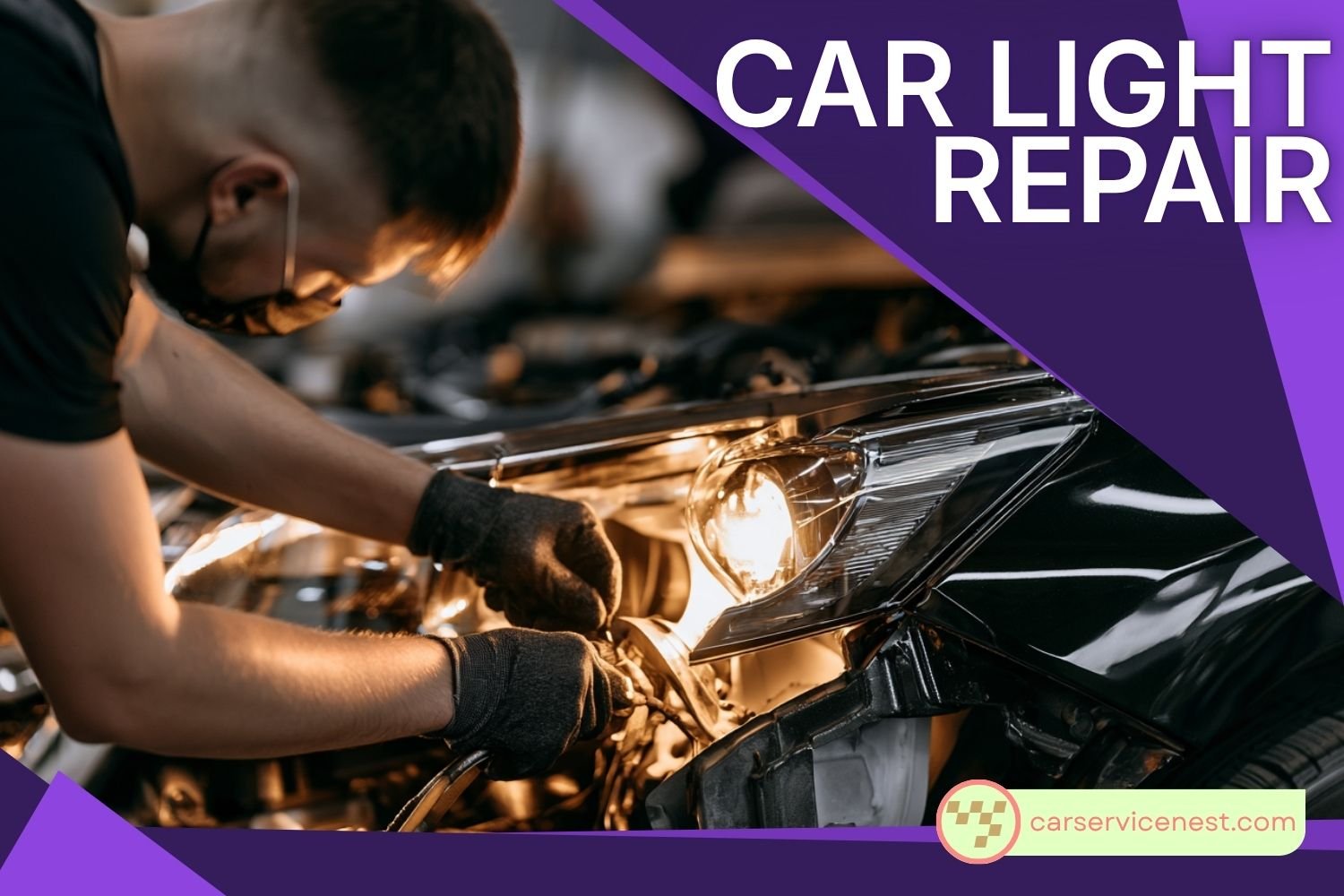
Scheduling car light repair, such as replacing basic halogen bulbs ranging from $20 to $100, restoring hazy and yellowed lenses professionally for $75 to $200, or swapping HID/LED ballasts and entire headlight assemblies for $150 to $500+ when nighttime visibility is impaired and law enforcement safety tickets threaten across the United States, combines critical lighting maintenance with smart household budgeting.
Navigating auto electrical service choices, such as balancing professional ASE-certified mechanics and UV protective clear coat protocols against expensive dealership premiums, ensures you protect your personal finances from unbudgeted repair bills and traffic citations. Whether you are reviewing electrical bulb failure evaluation steps, analyzing mechanic labor versus parts fee breakdowns, or following structured itemized troubleshooting roadmaps, understanding expert automotive technician workflows allows you to execute an informed operational strategy that keeps your vehicle’s illumination fully functional on U.S. roadways while preserving its overall market resale value.
Common Types of Car Lighting Failures & Repair Solutions
Identifying specific lighting issues helps determine whether you need a simple $20 bulb swap or complex electrical diagnostics:
Burned-Out Halogen or HID Bulbs: Filament breakage or gas discharge failure causing sudden loss of low or high beams.
Oxidized & Hazy Lenses: UV sun exposure turning polycarbonate headlight covers cloudy, reducing nighttime light projection.
Blown Fuses & Faulty Relays: Electrical power interruptions preventing entire lighting circuits from turning on.
Cracked Tail Light Housings: Moisture and water intrusion shorting out brake light and turn signal bulb sockets.
Financial Planning: How Much Does Car Maintenance Cost?
For U.S. vehicle owners managing household expenses, understanding how much a car maintenance cost is essential to prevent unexpected financial burdens. On average, routine maintenance and minor repairs cost U.S. vehicle owners between $400 and $800 annually (or up to $1,200 depending on vehicle age, mileage, and make). While modern engineering has extended service intervals, ignoring foundational items like oil changes, brake inspections, and tire rotations can transform minor preventative upkeep into multi-thousand-dollar emergency repairs. Understanding these typical costs allows drivers to plan ahead and protect their long-term automotive investment.
Vehicle upkeep expenses depend on how frequently you drive and the lifecycle stage of your car. Newer automobiles require mostly basic fluid changes, whereas aging cars demand heavy component replacements.
1. Routine Upkeep and Fluid Changes ($350 – $600 Annually): Routine maintenance covers scheduled items like synthetic oil changes, filter replacements, and tire rotations performed every 5,000 to 7,500 miles.
2. Wear-and-Tear Replacements ($300 – $550 Annually): Consumable parts wear down over time. Budgeting for brake pad replacements, wiper blade swaps, and periodic tire balancing covers these inevitable wear items.
3. Milestone and Minor Repairs ($250 – $500 Annually): As odometers climb past 60,000 miles, setting aside funds for spark plug replacements, coolant flushes, and minor electrical checks ensures financial stability.
Safety Assessment and Risk Levels
When evaluating your vehicle’s lighting failure and preparing for mechanic estimates, classify your situation using this practical scale:
Monitor: Minor lens hazing or slight reduction in surface clarity with zero bulb outages.
Service Soon: A single parking light or license plate bulb out; schedule a quick bulb swap during your next errand.
Urgent Repair: A single headlight out or hyper-flashing turn signals reducing nighttime communication.
Stop Immediately / Reduced Visibility & Safety Citation Hazard: Operating a vehicle with non-functional headlights or brake lights creates severe blind spots for other drivers and invites police traffic citations; inspect and repair car lights promptly.
Adhering to strict safety rules and replacing burnt-out bulbs immediately prevents hazardous nighttime driving conditions and avoids costly traffic fines on every U.S. roadway.
Required Services & Estimated U.S. Repair Costs
Car light repair pricing combines parts costs for replacement bulbs or assemblies with mechanic labor hours. Below is a U.S. average cost breakdown.
| Car Light Repair Service | Primary Scope & Procedure | Average U.S. Cost Range |
| Halogen Headlight or Tail Light Bulb Swap | Removing socket cover, unplugging wiring harness, and installing fresh replacement bulb. | $20 – $70 |
| Professional Headlight Lens Restoration | Sanding away oxidized yellow polycarbonate surface, compounding, and applying UV clear coat. | $75 – $200 |
| HID / Xenon Bulb & Ballast Replacement | Replacing high-intensity discharge capsules or electronic igniter ballasts behind the bumper. | $150 – $400 |
| Full Headlight Assembly Replacement | Unbolting damaged housing unit, disconnecting wiring, and installing brand-new light assembly. | $250 – $700+ |
Service Duration Planning: How Long Does It Take for Car Maintenance?
For U.S. vehicle owners balancing busy daily commitments, knowing how long car maintenance takes is critical for planning transportation and work schedules. Whether you are dropping off your vehicle for a quick oil change or a comprehensive mileage milestone inspection, service turnaround times vary widely based on the specific mechanical task, shop workflow, and part availability. Standard minor services like an oil and filter change typically take 30 to 45 minutes, whereas comprehensive major services or complex mechanical repairs can require anywhere from 2 to 4 hours or even a full working day. Understanding these timeframes helps drivers manage expectations, coordinate rides, and ensure their vehicles receive proper professional attention.
Not all vehicle maintenance tasks are created equal. While some minor services are engineered for maximum speed in dedicated express lanes, comprehensive checkups require meticulous testing, teardown, and precision labor.
1. Routine Minor Services (30 to 60 Minutes): Proactive minor services, such as conventional or synthetic oil changes, windshield wiper blade replacements, cabin air filter swaps, and quick tire pressure checks, are designed for rapid turnaround.
2. Intermediate and Milestone Services (1 to 3 Hours): Services occurring at regular mileage increments (such as tire rotations, brake fluid flushes, wheel alignments, and spark plug replacements) involve multiple vehicle systems and require specialized equipment, extending the timeframe to between 1 and 3 hours.
3. Major Overhauls and Complex Repairs (3 to 6+ Hours): Major services, including timing belt replacements, transmission fluid flushes, suspension strut swaps, or complex electrical diagnostics, demand extensive labor and cooling or lifting time, frequently requiring the vehicle to remain at the shop for half a day or longer.
Car Maintenance Duration Matrix
Reference this structured matrix to review service categories, average time requirements, and included maintenance tasks.
| Service Category | Average Duration | Primary Tasks Included |
| Oil Change & Filter Swap | 30 – 45 Minutes | Draining oil, replacing oil filter, refilling fluid, visual safety check. |
| Oil Change & Tire Rotation | 45 – 60 Minutes | Oil service plus rotating tires, checking tread depth, and adjusting tire pressure. |
| Brake Pad Replacement (Per Axle) | 1.5 – 2.5 Hours | Installing new brake pads, inspecting or machining rotors, bleeding brake lines. |
| Standard Bulb Replacement | 15 to 30 Minutes | Removing socket cover, unplugging harness, and installing fresh bulb. |
| Headlight Lens Restoration | 45 to 60 Minutes | Wet sanding oxidized polycarbonate, machine compounding, and sealing. |
| HID / Ballast Replacement | 1 to 2 Hours | Removing bumper clips, swapping electronic igniter ballast, and testing. |
| Full Headlight Assembly Swap | 1 to 3 Hours | Unbolting damaged housing unit, disconnecting wiring, and installing new assembly. |
Cost Comparison: Independent Mechanic Shop vs. Dealership Matrix
Hourly labor rates and OEM parts markups differ significantly between independent mechanic shops and brand-certified dealerships.
| Service Provider | Service Delivery | Estimated Light Repair Range |
| Independent Automotive Repair Shop | In-shop diagnostic & bulb replacement | $30 – $150 |
| Franchised Car Dealership Service Bay | OEM light parts & factory certified mechanics | $100 – $400+ |
| Mobile Mechanic Service | Comes to your home or office driveway | $50 – $200 |
| DIY Bulb Replacement Kit | Done by vehicle owner at home | $15 – $50 |
Master Service Schedule for General Maintenance on a Car
Following a time and mileage-based schedule ensures that no critical maintenance item is overlooked:
Minor Routine Service (Every 5,000 to 7,500 Miles / 6 Months): Synthetic engine oil and filter replacement; tire rotation and cold inflation pressure check; topping off washer fluid; visual check of brakes, belts, and lights.
Intermediate Maintenance (Every 15,000 to 30,000 Miles / 12 to 24 Months): Engine air filter and cabin HVAC filter renewals; hydraulic brake fluid moisture test and flush; battery conductance load test; wiper blade replacements.
Major Mileage Overhaul (Every 60,000 to 100,000 Miles / 5 to 8 Years): Automatic transmission fluid exchange; radiator coolant flush; iridium spark plug replacement; serpentine drive belt and tensioner renewal; differential gear oil replacement.
General Maintenance Inspection & Service Matrix
Review the master service matrix detailing component inspection tasks, frequencies, and action triggers.
| Service Category | Average Duration | Primary Tasks Included |
| Exterior Lighting Function Check | Ensures all headlights, brake lights, and turn signals operate before night driving | Monthly |
| Headlight UV Sealant Application | Protects restored polycarbonate lenses from recurring oxidation and yellowing | Every 12 months |
| Housing Seal Inspection | Checks rubber gasket seals around tail lights for water intrusion | Every 6 months |
| Engine Oil & Filter | Full synthetic motor oil & OEM filter exchange | 5,000 – 7,500 Miles / 6 Mo |
Frequently Asked Questions
1. How do I know when my vehicle needs a professional car light repair service?
You should look for signs such as dim illumination, flickering bulbs, cracked or heavily oxidized lenses, dashboard warning lights, or complete failure of your headlights, taillights, or turn signals. Addressing these issues promptly through a reliable car light repair ensures optimal nighttime visibility and prevents potential traffic citations.
2. Can I handle a car light repair at home, or should I take my vehicle to a professional?
Simple bulb replacements can often be done at home as a quick DIY project, but complex electrical troubleshooting, wiring harness shorts, ballast replacements, or headlight restoration often require professional car light repair expertise. Professional technicians can safely diagnose deep electrical faults without damaging your vehicle’s computer systems.
3. What causes headlights to become cloudy and require restoration during a car light repair?
Polycarbonate headlight lenses degrade over time due to constant exposure to UV rays, road salt, dirt, and environmental debris, causing them to yellow or haze over. A proper car light repair typically includes wet sanding, polishing, and applying a protective UV sealant to restore complete optical clarity and light output.
4. How much does a standard car light repair or bulb replacement typically cost?
The cost of a car light repair varies widely depending on the nature of the issue, ranging from $20 to $100 for a basic bulb or fuse replacement up to $250 or more for complex LED assembly replacements or professional lens restoration services.
5. Are burnt-out bulbs the only reason my turn signals or headlights stop working during a car light repair assessment?
No, while a burnt-out filament is the most common cause, faulty fuses, corroded sockets, damaged wiring harnesses, bad relays, or failing switches can also cause lighting failure. A thorough car light repair diagnosis checks the entire electrical circuit rather than just replacing the bulb to ensure the underlying problem is permanently resolved.
Final Takeaway
Prompt car light repair and lens restoration ensures safe nighttime visibility, prevents police citations, and maintains your vehicle’s roadworthiness. To get started on your automotive lighting service today, you should immediately conduct a monthly walk-around check to test all headlights, brake lights, and turn signals. While minor lens hazing can safely wait until your next convenient service window, you must schedule professional help right away if your headlights burn out completely, as driving without functional night illumination creates an extreme safety hazard requiring immediate repair.