Introduction
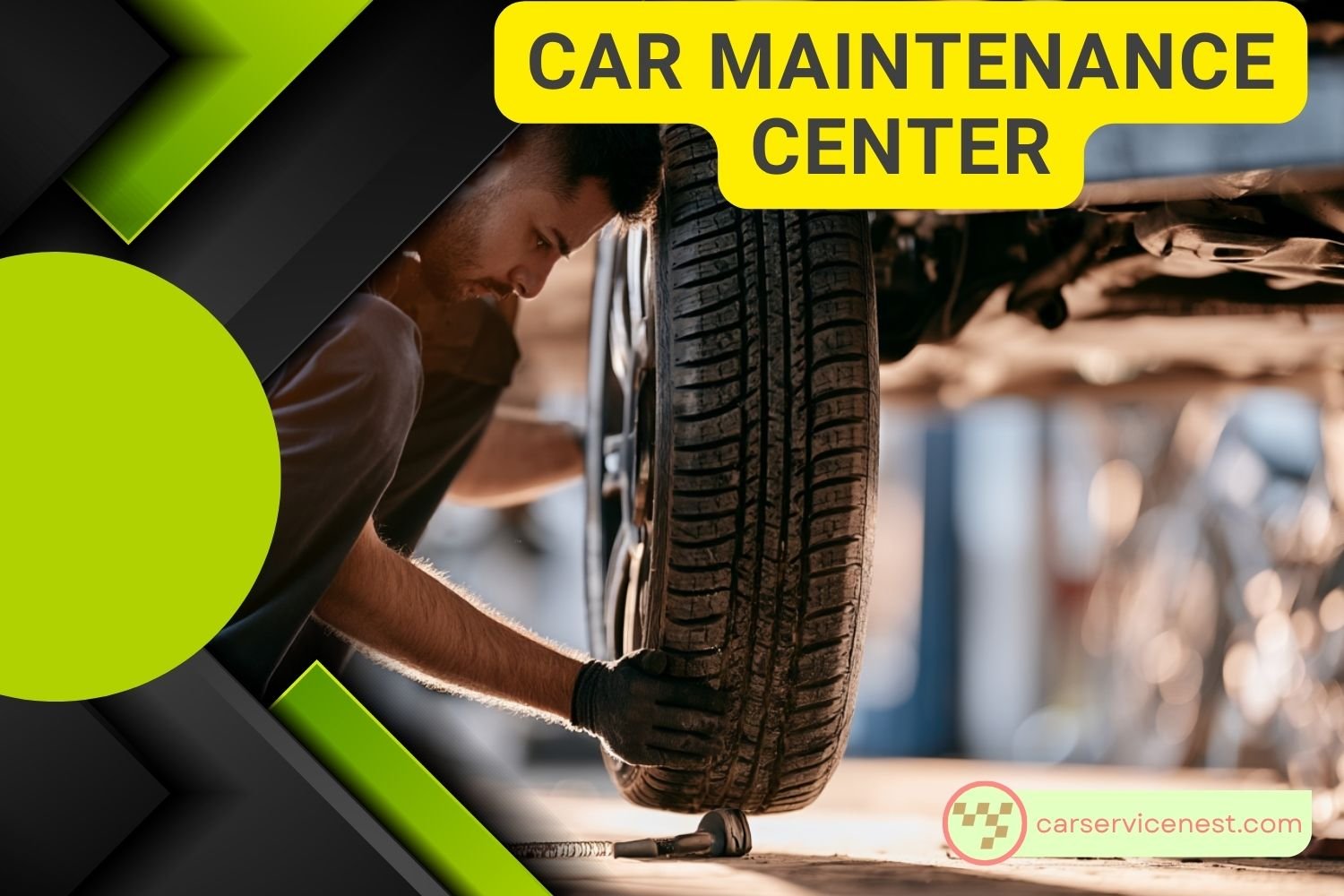
Inspecting, repairing, and servicing motor vehicles with professional diagnostic tools, lifts, and certified technicians at a dedicated car maintenance center combines expert mechanical care with reliable warranty backing across the United States.
Navigating automotive service facility choices, such as comparing independent local repair shops and franchise dealership departments against national tire and auto chains, ensures you protect your household budget from unverified workmanship and opaque pricing. Whether you are reviewing OEM or aftermarket parts build quality evaluation steps, analyzing specialized diagnostic equipment and transparent labor rate requirements, or following structured itemized service center selection roadmaps, understanding expert automotive service workflows allows you to execute an informed repair strategy that keeps your automobile reliable past 200,000 miles while preserving its market resale value.
Understanding the Different Types of Car Maintenance Centers
When your vehicle requires routine servicing, mechanical repairs, or diagnostic troubleshooting, selecting the correct car maintenance center is vital. Not all service facilities offer the same level of equipment, technician training, or pricing transparency.
U.S. vehicle owners generally choose among four distinct types of maintenance facilities depending on their car’s age, warranty status, and specific repair needs. Understanding the strengths and limitations of each facility type ensures you receive the best service value.
The 4 Core Types of Automotive Service Facilities
Evaluate these four primary types of car maintenance centers operating across the United States:
1. Independent Local Repair Shops: Privately owned garages offering personalized customer service, competitive labor rates, and skilled mechanics capable of servicing all vehicle makes.
2. Franchise Dealership Service Centers: Manufacturer-certified facilities equipped with brand-specific diagnostic computers, specialized tools, and genuine OEM parts for warranty repairs.
3. National Tire & Auto Service Chains: Large corporate chains (e.g., Firestone, Goodyear, Pep Boys) specializing in rapid tire sales, alignment, oil changes, and routine wear items.
4. Dedicated Specialty Repair Shops: Niche facilities focusing exclusively on specific heavy components, such as transmission rebuilds, exhaust systems, or European luxury car engine care.
Master Car Maintenance Center Types & Comparison
Compare facility types to determine which car maintenance center best suits your specific repair requirements.
| Maintenance Center Type | Best Suited Services | Key Pros & Cons |
| Independent Local Shops | Routine maintenance, brakes, suspension, out-of-warranty repairs | Often more affordable labor rates and personalized care, with varying warranty terms. |
| Franchise Dealerships | Active warranty claims, factory recalls, complex electrical diagnostics | Brand-certified technicians and OEM parts, but higher hourly labor rates. |
| National Auto Chains | Tire sales, wheel alignment, battery replacement, quick oil changes | Convenient nationwide warranties, but can push aggressive service upsells. |
| Specialty Repair Shops | Transmission overhauls, hybrid/EV battery service, exotic car repair | Deep niche expertise and specialized tools, but higher specialized pricing. |
Choosing the appropriate maintenance center category ensures your car receives expert attention tailored to its specific needs.
How to Identify a Trustworthy Car Maintenance Center
Not all automotive repair facilities maintain the same ethical or technical standards. Look for these key markers of quality when evaluating a local shop:
Technician Certifications: ASE (Automotive Service Excellence) certifications ensure mechanics have proven technical competency and up-to-date training.
Warranty Backing: Look for a minimum 12-month / 12,000-mile repair warranty that protects you if a newly installed part or repair fails prematurely.
Written Estimates: Insist on itemized written estimates before starting work to comply with state consumer laws and prevent surprise repair bills.
Customer Reviews & Ratings: Check for consistent positive local ratings on Google, Yelp, or the BBB, which reflect an established track record of honesty and customer satisfaction.
Car Maintenance Center Evaluation Matrix
Use this matrix to assess a service center’s professionalism, credentials, and customer protections.
| Evaluation Indicator | What To Look For | Consumer Protection Benefit |
| Technician Certifications | ASE (Automotive Service Excellence) certifications | Ensures mechanics have proven technical competency and up-to-date training. |
| Warranty Backing | Minimum 12-month / 12,000-mile repair warranty | Protects you if a newly installed part or repair fails prematurely. |
| Written Estimates | Itemized written estimates before starting work | Complies with state consumer laws and prevents surprise repair bills. |
| Customer Reviews & Rating | Consistent positive local ratings (Google, Yelp, BBB) | Reflects an established track record of honesty and customer satisfaction. |
Screening service centers using these indicators safeguards your vehicle and protects your hard-earned money.
DIY Garage Work vs. Professional Maintenance Center Services
Understanding the division between home driveway tasks and professional maintenance center services optimizes your automotive budget:
Tasks Suitable for Home Driveways: Replacing engine and cabin air filters, swapping wiper blades, checking tire pressure PSI, and topping off windshield washer fluid.
Services Requiring Professional Center Equipment: Hydraulic brake overhauls, automatic transmission fluid exchanges, computerized 4-wheel alignments, and advanced electronic module programming.
DIY Maintenance vs. Professional Center Service Matrix
Compare home DIY feasibility against professional shop capabilities.
| Automotive Service Task | DIY Feasibility & Safety Level | Professional Center Solution |
| Air Filter & Wiper Replacement | Easy / Safe (No tools required) | Auto parts store ($0 labor installation) |
| Tire Pressure & Fluid Checks | Easy / Safe (Digital gauge & dipstick) | Service center quick lane ($0 – $20) |
| Synthetic Oil Change & Inspection | Moderate / Caution (Requires ramps & oil pan) | Local maintenance center ($65 – $110) |
| Brake Pad & Rotor Overhaul | Advanced / Complex (Requires stands & torque tools) | Licensed auto repair center ($250 – $550) |
Delegating complex mechanical overhauls to professional maintenance centers ensures proper safety torque and warranty protection.
U.S. Market Cost Expectations at Maintenance Centers
Visiting a car maintenance center in the United States requires budgeting for diagnostic fees, hourly labor rates, and replacement parts.
| Service / Fee Category | Estimated Cost Range ($ USD) | Scope & Billing Details |
| Diagnostic Troubleshooting Fee | $100 – $200 | Technician time to scan codes and isolate mechanical faults (often waived if repaired). |
| Hourly Labor Rate | $100 – $250+ per hour | Standard shop labor rate multiplied by repair manual flat-rate hours. |
| Full-Synthetic Oil Change Package | $65 – $110 | Includes oil, OEM filter, fluid top-off, and multi-point inspection. |
| Brake Overhaul (Per Axle) | $250 – $550 | Includes new friction pads and rotor inspection/resurfacing. |
Understanding maintenance center pricing structures helps you evaluate repair invoices with absolute confidence.
Repair Time
Standard diagnostic troubleshooting at a car maintenance center takes 1 to 2 hours. Routine services like oil changes and multi-point inspections require 30 to 60 minutes, while major brake overhauls or suspension replacements take 2 to 4 hours of professional shop labor.
U.S. Regional Climate Impact on Maintenance Centers
Geographic weather conditions across the United States influence the types of specialized services car maintenance centers perform locally:
1. Northern & Salt Belt States (Rust & Suspension Service): Shops in salt-belt regions frequently invest in specialized torching and extraction tools to handle rusted suspension bolts and corroded brake lines.
2. Sunbelt & Desert Southwest (AC & Cooling Overhauls): Desert maintenance centers handle high volumes of air conditioning compressor replacements, radiator flushes, and thermal battery testing.
3. Coastal Regions (Electrical & Corrosion Mitigation): Coastal repair facilities specialize in electrical harness repair and rust-proofing applications to combat salt-air oxidation.
Maintenance Schedule
| Maintenance Task | Recommended Frequency | Primary Benefit |
| Multi-Point Inspection Check | Every 5,000 – 7,500 Miles | Catches wear items early before component failure |
| Brake System & Fluid Inspection | Annually or Every 15,000 Miles | Ensures stopping safety and prevents hydraulic failure |
| Professional Diagnostic Scan | As Needed / Check Engine Alerts | Isolates electronic faults before cascading damage occurs |
Frequently Asked Questions (FAQs)
1. What is the difference between a dealership and an independent car maintenance center?
Dealerships offer manufacturer-certified technicians and original equipment manufacturer (OEM) parts, while independent car maintenance centers often provide personalized services and more affordable labor rates.
2. How do you choose a reliable car maintenance center in the US?
Look for ASE-certified technicians, positive customer reviews, clear repair warranties, and transparent, itemized estimates before authorizing any repair work.
3. What services does a full-service car maintenance center provide?
A full-service car maintenance center typically offers oil changes, brake repairs, tire balancing, transmission services, electrical diagnostics, engine repairs, and routine vehicle inspections.
4. Are independent repair shops cheaper than dealership service centers?
Yes, independent repair shops often charge less for labor than dealership service departments. However, actual costs depend on the repair type, vehicle model, parts, and location.
5. What is an ASE-certified car maintenance center?
An ASE-certified car maintenance center employs technicians certified by the National Institute for Automotive Service Excellence (ASE), demonstrating their professional knowledge and technical skills.
6. Should I always get a second opinion on a major car repair estimate?
Yes, getting a second opinion from another reputable car maintenance center is a smart decision before approving expensive repairs, such as engine or transmission replacements.
7. Do car maintenance centers offer warranties on repairs?
Many reputable car maintenance centers provide warranties on parts and labor. Coverage periods vary, so always review the warranty terms and conditions before approving repairs.
8. Where can I find top-rated car maintenance centers near me?
You can find reliable car maintenance centers through Google Maps, Yelp, customer reviews, and AAA-approved repair facility directories. Compare ratings, services, certifications, and customer feedback before making your decision.
Final Takeaway
Navigating vehicle upkeep and repairs is much smoother when you establish a relationship with a trusted professional service facility ahead of time. By researching independent shops or dealerships in your area, verifying ASE credentials, and prioritizing routine maintenance inspections at a licensed car maintenance center, you can protect your vehicle’s safety, extend its mechanical lifespan, and avoid unexpected roadside emergencies across U.S. roadways.