
Introduction
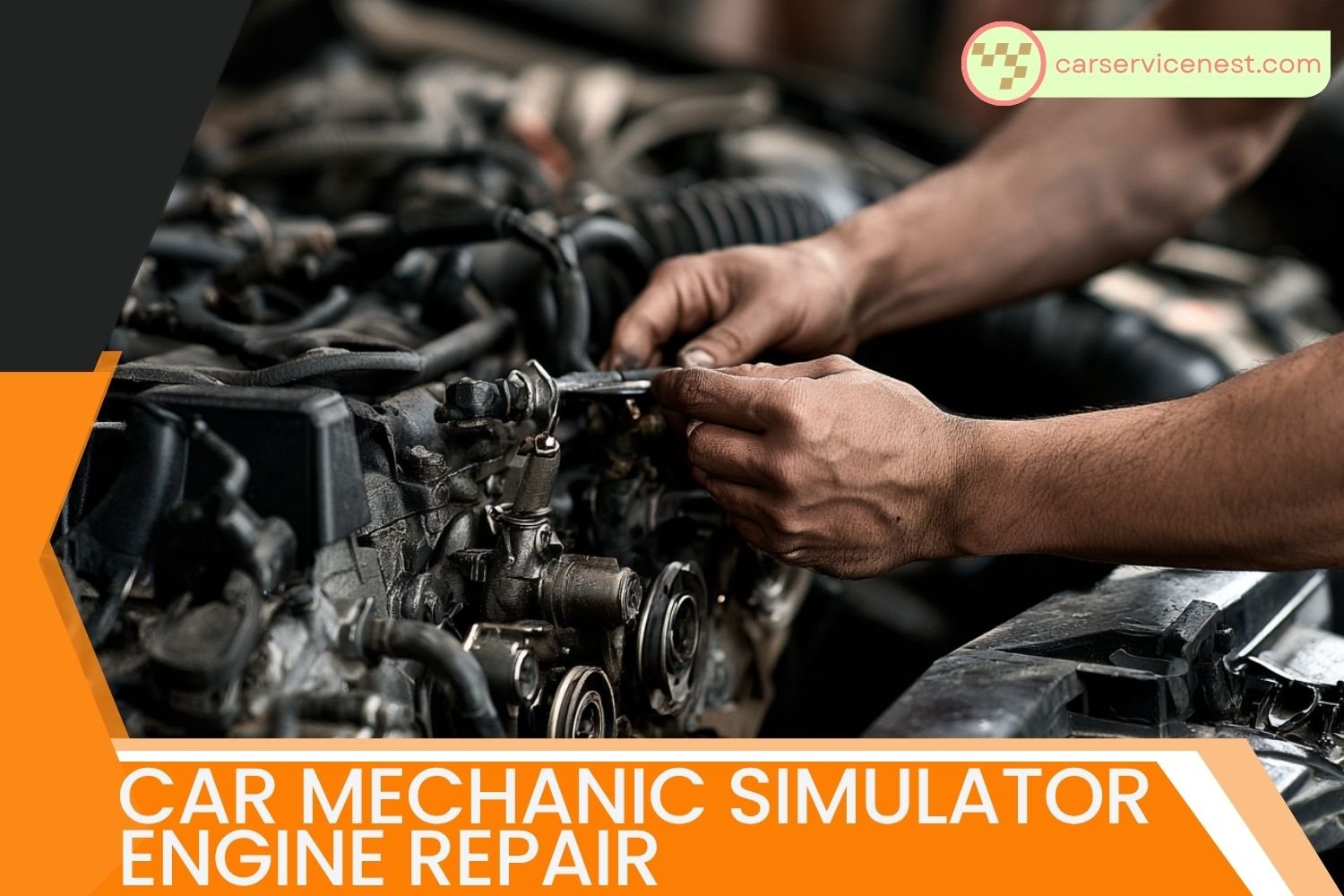
Mastering car mechanic simulator engine repair, such as tackling major virtual engine overhauls by removing power plants with engine cranes, stripping them down to bare metal on engine stands, and replacing worn pistons, crankshafts, and cylinder heads to maximize in-game profits across virtual garages, combines strategic resource management with efficient gaming workflows.
Navigating simulation progression choices, such as balancing professional repair bench upgrades and specialized testing track protocols against costly new part purchases, ensures you protect your digital bank balance from unnecessary expenses. Whether you are reviewing engine teardown evaluation steps, analyzing mechanic labor versus part investment breakdowns, or following structured itemized assembly roadmaps, understanding expert virtual mechanic workflows allows you to execute an informed gameplay strategy that keeps your garage running productively on virtual roadways while maximizing your overall in-game tycoon status.
How Engine Repair Works in Car Mechanic Simulator
Unlike minor bolt-on repairs performed directly on the car lift, deep internal engine repairs require specialized heavy garage equipment:
Engine Removal (Crane): Use the engine crane in your garage bay to hoist the dead or damaged engine block out of the vehicle bay.
Engine Stand Mounting: Transfer the removed engine block onto the dedicated engine stand workstation to begin physical disassembly.
Teardown & Inspection: Strip away oil pans, cylinder heads, camshafts, pistons, and crankshafts to pinpoint worn-out 0% condition parts.
Reassembly (Assembly Mode): Rebuild the engine block piece by piece, ensuring no piston rings, bearings, or spark plugs are missed.
Financial Planning: How Much Does Car Maintenance Cost?
For U.S. vehicle owners managing household expenses, understanding how much a car maintenance cost is essential to prevent unexpected financial burdens. On average, routine maintenance and minor repairs cost U.S. vehicle owners between $400 and $800 annually (or up to $1,200 depending on vehicle age, mileage, and make). While modern engineering has extended service intervals, ignoring foundational items like oil changes, brake inspections, and tire rotations can transform minor preventative upkeep into multi-thousand-dollar emergency repairs. Understanding these typical costs allows drivers to plan ahead and protect their long-term automotive investment.
Vehicle upkeep expenses depend on how frequently you drive and the lifecycle stage of your car. Newer automobiles require mostly basic fluid changes, whereas aging cars demand heavy component replacements.
1. Routine Upkeep and Fluid Changes ($350 – $600 Annually): Routine maintenance covers scheduled items like synthetic oil changes, filter replacements, and tire rotations performed every 5,000 to 7,500 miles.
2. Wear-and-Tear Replacements ($300 – $550 Annually): Consumable parts wear down over time. Budgeting for brake pad replacements, wiper blade swaps, and periodic tire balancing covers these inevitable wear items.
3. Milestone and Minor Repairs ($250 – $500 Annually): As odometers climb past 60,000 miles, setting aside funds for spark plug replacements, coolant flushes, and minor electrical checks ensures financial stability.
Safety Assessment and Risk Levels
When evaluating your virtual engine build and preparing for garage overhauls, classify your situation using this practical scale:
Monitor: Minor accessory bolt replacements or external oil pan gasket swaps performed directly on the car lift.
Service Soon: Moderate engine misfires or worn internal components requiring extraction onto the engine stand.
Urgent Repair: Complete engine seizure or shattered internal pistons necessitating a full block teardown.
Stop Immediately / Missing Internal Components & Reassembly Lockout: Failing to install hidden internal parts like crankshaft bearing caps or piston clips will prevent you from completing the engine build, forcing you to tear the block back down; always cross-reference the assembly checklist.
Adhering to strict assembly checklists and cross-referencing assembly mode highlights prevents frustrating reassembly lockouts during every virtual garage project.
Required Engine Overhaul Stages & U.S. In-Game Economics
Executing profitable engine repairs requires balancing part replacement costs with high-value customer job payouts. Below is a structured breakdown.
| Engine Repair Stage | Primary Workstation & Procedure | In-Game Cost & Profit Impact |
| Engine Extraction & Mounting | Car Lift bay & Engine Crane to pull block; mount onto Engine Stand. | Zero cash cost; requires garage space and lifting equipment. |
| Internal Teardown & Part Inspection | Engine Stand workstation; stripping block down to bare metal. | Identifies worn bearings, cracked pistons, and ruined camshafts. |
| Part Restoration & Store Purchases | Repair Bench or Computer Store; buying new pistons, gaskets, and timing chains. | Medium material investment; offset by high customer job completion bonuses. |
| Engine Reinstallation & Testing | Engine Crane & Car Lift bay; dropping block back in, filling fluids, and testing. | Unlocks massive cash payouts and garage XP leveling rewards. |
Service Duration Planning: How Long Does It Take for Car Maintenance?
For U.S. vehicle owners balancing busy daily commitments, knowing how long car maintenance takes is critical for planning transportation and work schedules. Whether you are dropping off your vehicle for a quick oil change or a comprehensive mileage milestone inspection, service turnaround times vary widely based on the specific mechanical task, shop workflow, and part availability. Standard minor services like an oil and filter change typically take 30 to 45 minutes, whereas comprehensive major services or complex mechanical repairs can require anywhere from 2 to 4 hours or even a full working day. Understanding these timeframes helps drivers manage expectations, coordinate rides, and ensure their vehicles receive proper professional attention.
Not all vehicle maintenance tasks are created equal. While some minor services are engineered for maximum speed in dedicated express lanes, comprehensive checkups require meticulous testing, teardown, and precision labor.
1. Routine Minor Services (30 to 60 Minutes): Proactive minor services, such as conventional or synthetic oil changes, windshield wiper blade replacements, cabin air filter swaps, and quick tire pressure checks, are designed for rapid turnaround.
2. Intermediate and Milestone Services (1 to 3 Hours): Services occurring at regular mileage increments (such as tire rotations, brake fluid flushes, wheel alignments, and spark plug replacements) involve multiple vehicle systems and require specialized equipment, extending the timeframe to between 1 and 3 hours.
3. Major Overhauls and Complex Repairs (3 to 6+ Hours): Major services, including timing belt replacements, transmission fluid flushes, suspension strut swaps, or complex electrical diagnostics, demand extensive labor and cooling or lifting time, frequently requiring the vehicle to remain at the shop for half a day or longer.
Car Maintenance Duration Matrix
Reference this structured matrix to review service categories, average time requirements, and included maintenance tasks.
| Service Category | Average Duration | Primary Tasks Included |
| Oil Change & Filter Swap | 30 – 45 Minutes | Draining oil, replacing oil filter, refilling fluid, visual safety check. |
| Oil Change & Tire Rotation | 45 – 60 Minutes | Oil service plus rotating tires, checking tread depth, and adjusting tire pressure. |
| Brake Pad Replacement (Per Axle) | 1.5 – 2.5 Hours | Installing new brake pads, inspecting or machining rotors, bleeding brake lines. |
| Engine Crane Extraction & Mounting | 1 to 2 minutes | Hoisting block out of car lift bay and securing onto engine stand. |
| Complete Internal Teardown | 5 to 8 minutes | Stripping away heads, manifolds, pistons, and crankshaft. |
| Engine Block Reassembly | 10 to 15 minutes | Rebuilding bottom-up with bearings, pistons, and timing chains. |
| Fluid Refill & Final Testing | 2 to 3 minutes | Adding oil and coolant, checking battery, and testing engine start. |
Profit Strategy: Customer Rebuilds vs. Junk Car Flipping Matrix
Choosing the right engine repair projects maximizes your virtual bank account in the game.
| Engine Project Type DOCX | Time & Part Investment DOCX | Profit Potential DOCX |
| Standard Customer Repair Orders | Low-to-medium parts cost; guided objective lists | Steady, reliable income and fast garage XP leveling. |
| Junkyard Car Restoration (Flipping) | High initial purchase and total engine overhaul cost | Massive profit margins upon selling fully restored custom cars. |
| Barn Find Engine Rebuilds | Rare parts required; extensive restoration time | High prestige and unique vehicle collection additions. |
| Repair Bench Part Salvage | Zero part purchase cost | Saves thousands of credits by restoring used internals. |
Master Service Schedule for General Maintenance on a Car
Following a time and mileage-based schedule ensures that no critical maintenance item is overlooked:
Minor Routine Service (Every 5,000 to 7,500 Miles / 6 Months): Synthetic engine oil and filter replacement; tire rotation and cold inflation pressure check; topping off washer fluid; visual check of brakes, belts, and lights.
Intermediate Maintenance (Every 15,000 to 30,000 Miles / 12 to 24 Months): Engine air filter and cabin HVAC filter renewals; hydraulic brake fluid moisture test and flush; battery conductance load test; wiper blade replacements.
Major Mileage Overhaul (Every 60,000 to 100,000 Miles / 5 to 8 Years): Automatic transmission fluid exchange; radiator coolant flush; iridium spark plug replacement; serpentine drive belt and tensioner renewal; differential gear oil replacement.
General Maintenance Inspection & Service Matrix
Review the master service matrix detailing component inspection tasks, frequencies, and action triggers.
| Service Category | Average Duration | Primary Tasks Included |
| Unlock Engine Stand Upgrades | Speeds up assembly animations and reduces engine overhaul time | Level 10 – Level 20 |
| Invest in Fast Dismantling Perks | Drastically cuts down the hours spent stripping large V8 blocks | Mid Game Career |
| Stock Common Gaskets & Spark Pugs | Prevents constant trips to the computer store during builds | Ongoing |
| Test All Fluids Before Delivery | Ensures zero comebacks and guarantees 100% customer satisfaction | Final Step of Every Job |
Frequently Asked Questions
1. How do you start car mechanic simulator engine repair?
To start an engine repair in Car Mechanic Simulator, position the vehicle on the car lift, use the engine crane to remove the engine block, and transfer it to the engine stand workstation for disassembly and inspection.
2. Why can’t I install the cylinder head during engine repair?
If the cylinder head will not install, you may be missing essential internal components such as valves, camshafts, or pushrods. Check the assembly requirements and install all necessary parts in the correct order.
3. Do you need an engine crane to reinstall the engine?
Yes, after completing car mechanic simulator engine repair on the engine stand, use the engine crane to lift the fully assembled engine and reinstall it in the vehicle.
4. Can you repair engine blocks on the repair bench?
No, major engine blocks and crankshafts generally cannot be restored using the standard repair bench. You may need to purchase replacement parts or use specific game mechanics.
5. What is assembly mode in Car Mechanic Simulator?
Assembly mode is a specialized game feature that highlights missing components and helps players follow the correct installation order when rebuilding engines and suspension systems.
6. How can you make more money from engine repairs?
You can increase profits by purchasing damaged vehicles from the junkyard, completing car mechanic simulator engine repair, replacing faulty components, and restoring the vehicle before selling it.
7. Why won’t my rebuilt engine start during testing?
A rebuilt engine may fail to start if it lacks engine oil, coolant, battery charge, or essential ignition and fuel system components. Check every critical part before testing.
8. What are the best skills to unlock for engine building?
Focus on unlocking dismantling speed, tightening tool speed, and repair efficiency skills. These upgrades make car mechanic simulator engine repair faster and help you complete major engine overhauls more efficiently.
Final Takeaway
Mastering car mechanic simulator engine repair transforms your virtual garage into an elite powertrain rebuilding center. To get started on your next virtual engine build today, you should immediately place a project car on the lift, hoist the block with your crane, and secure it onto the engine stand. While minor external part swaps can safely wait until your next quick service window, you must schedule dedicated garage time right away when tackling major engine overhauls to ensure proper teardown and faultless reassembly.