Introduction
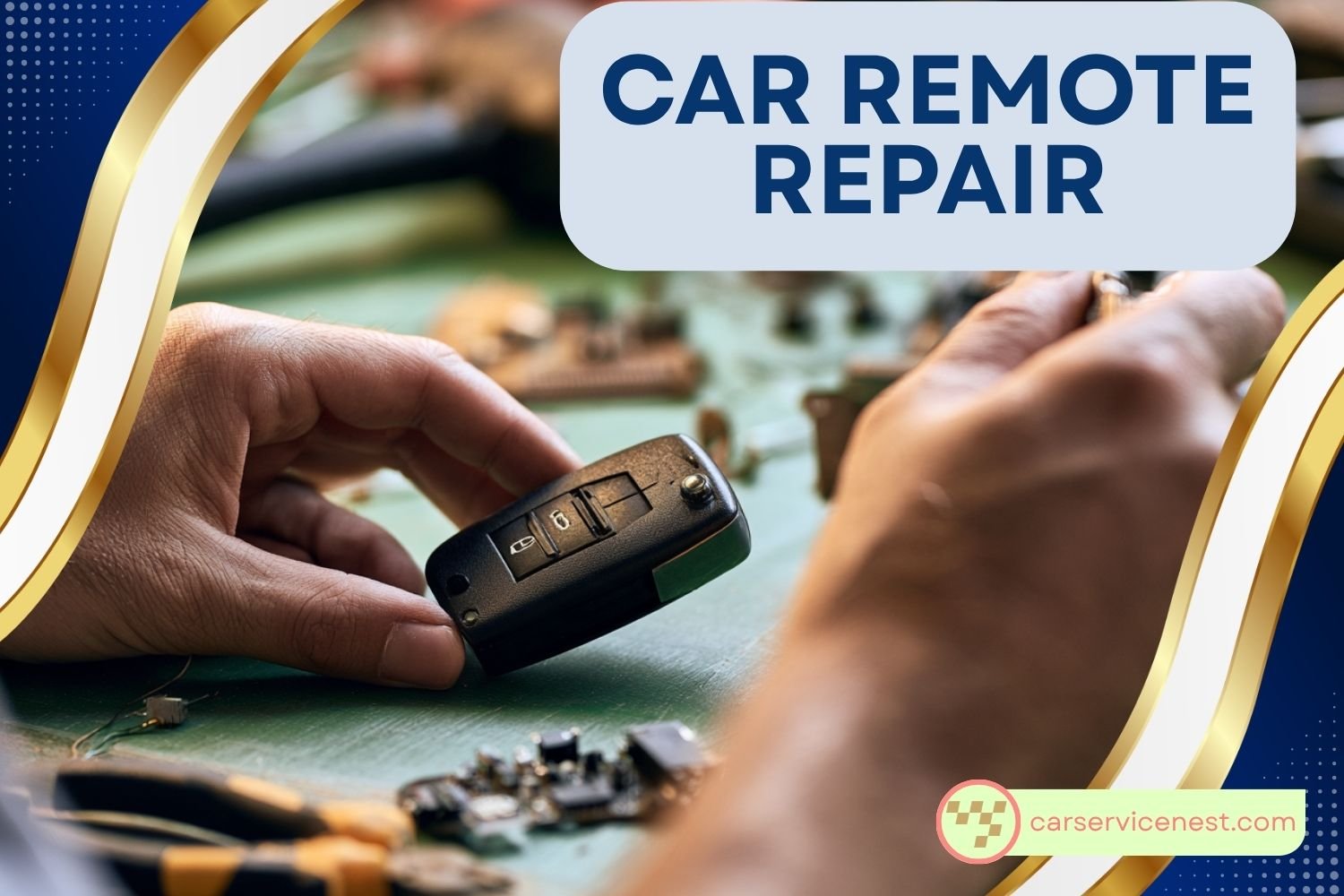
Troubleshooting car remote repair, such as addressing unresponsive key fob buttons, dead transmitters, and locked vehicle doors by utilizing lithium coin cell battery replacements ranging from $5 to $15, internal microswitch soldering or shell swaps spanning $15 to $40, and professional locksmith key programming costing $50 to $150+ across the United States, combines targeted electronic troubleshooting with smart household budgeting.
Navigating automotive locksmith choices, such as balancing professional ALOA-certified locksmith programming protocols and specialized diagnostic tools against expensive dealership key replacement quotes, ensures you protect your personal finances from unbudgeted expenses. Whether you are reviewing key fob battery voltage evaluation steps, analyzing labor versus component fee breakdowns, or following structured itemized recovery roadmaps, understanding expert automotive security technician workflows allows you to execute an informed operational strategy that restores reliable vehicle access on U.S. roadways while preserving its overall anti-theft integrity.
Symptoms of Car Remote Failure
Recognizing early signs of remote failure helps you fix the issue before you get locked out completely:
Intermittent Response: Having to press buttons multiple times or stand right next to the driver door for the doors to unlock.
Dim or Non-Working LED Indicator: The small red or blue light on the key fob fails to flash when buttons are pressed.
Physical Damage or Loose Buttons: Cracked outer plastic housing, worn-out rubber button pads, or a detached internal battery terminal.
Financial Planning: How Much Does Car Maintenance Cost?
For U.S. vehicle owners managing household expenses, understanding how much a car maintenance cost is essential to prevent unexpected financial burdens. On average, routine maintenance and minor repairs cost U.S. vehicle owners between $400 and $800 annually (or up to $1,200 depending on vehicle age, mileage, and make). While modern engineering has extended service intervals, ignoring foundational items like oil changes, brake inspections, and tire rotations can transform minor preventative upkeep into multi-thousand-dollar emergency repairs.
Understanding these typical costs allows drivers to plan ahead and protect their long-term automotive investment. Vehicle upkeep expenses depend on how frequently you drive and the lifecycle stage of your car. Newer automobiles require mostly basic fluid changes, whereas aging cars demand heavy component replacements.
1. Routine Upkeep and Fluid Changes ($350 – $600 Annually): Routine maintenance covers scheduled items like synthetic oil changes, filter replacements, and tire rotations performed every 5,000 to 7,500 miles.
2. Wear-and-Tear Replacements ($300 – $550 Annually): Consumable parts wear down over time. Budgeting for brake pad replacements, wiper blade swaps, and periodic tire balancing covers these inevitable wear items.
3. Milestone and Minor Repairs ($250 – $500 Annually): As odometers climb past 60,000 miles, setting aside funds for spark plug replacements, coolant flushes, and minor electrical checks ensures financial stability.
Safety Assessment and Risk Levels
When evaluating your vehicle’s dead key fob and preparing for repair estimates, classify your situation using this practical scale:
Monitor: Minor key fob button stickiness or occasional delayed response times.
Service Soon: Dim LED indicator lights or having to stand close to the vehicle to unlock doors; schedule a battery swap.
Urgent Repair: Completely unresponsive key fob requiring mechanical emergency keys to enter the vehicle.
Stop Immediately / Service Soon & Security Hazard: While a failing key fob does not impact driving mechanics once the engine is running, getting locked out of your vehicle creates security vulnerabilities and travel delays; secure loose sections and repair fobs promptly.
Adhering to strict safety standards and replacing failing coin batteries promptly prevents unexpected parking lot lockouts on every U.S. roadway.
Required Tools & Replacement Parts
Car remote repair pricing varies based on lithium coin batteries, replacement shells, and precision screwdriver kits. Below is a U.S. average cost breakdown.
| Tool / Part | Purpose | Estimated U.S. Price |
| CR2032 / CR2016 Lithium Coin Battery | Replacing dead key fob power cells | $3 to $8 |
| Replacement Key Fob Shell / Case | Swapping cracked or broken outer plastic housings | $8 to $20 |
| Precision Screwdriver Set | Opening tiny screws on modern key fobs | $10 to $20 |
| Isopropanol Alcohol & Cotton Swabs | Cleaning corrosion off circuit board contacts | $5 to $10 |
| Soldering Iron (Optional) | Re-attaching loose battery terminals or microswitches | $20 to $40 |
Service Duration Planning: How Long Does It Take for Car Maintenance?
For U.S. vehicle owners balancing busy daily commitments, knowing how long car maintenance takes is critical for planning transportation and work schedules. Whether you are dropping off your vehicle for a quick oil change or a comprehensive mileage milestone inspection, service turnaround times vary widely based on the specific mechanical task, shop workflow, and part availability. Standard minor services like an oil and filter change typically take 30 to 45 minutes, whereas comprehensive major services or complex mechanical repairs can require anywhere from 2 to 4 hours or even a full working day. Understanding these timeframes helps drivers manage expectations, coordinate rides, and ensure their vehicles receive proper professional attention.
Not all vehicle maintenance tasks are created equal. While some minor services are engineered for maximum speed in dedicated express lanes, comprehensive checkups require meticulous testing, teardown, and precision labor.
1. Routine Minor Services (30 to 60 Minutes): Proactive minor services, such as conventional or synthetic oil changes, windshield wiper blade replacements, cabin air filter swaps, and quick tire pressure checks, are designed for rapid turnaround.
2. Intermediate and Milestone Services (1 to 3 Hours): Services occurring at regular mileage increments (such as tire rotations, brake fluid flushes, wheel alignments, and spark plug replacements) involve multiple vehicle systems and require specialized equipment, extending the timeframe to between 1 and 3 hours.
3. Major Overhauls and Complex Repairs (3 to 6+ Hours): Major services, including timing belt replacements, transmission fluid flushes, suspension strut swaps, or complex electrical diagnostics, demand extensive labor and cooling or lifting time, frequently requiring the vehicle to remain at the shop for half a day or longer.
Car Maintenance Duration Matrix
Reference this structured matrix to review service categories, average time requirements, and included maintenance tasks.
| Service Category | Average Duration | Primary Tasks Included |
| Oil Change & Filter Swap | 30 – 45 Minutes | Draining oil, replacing oil filter, refilling fluid, visual safety check. |
| Oil Change & Tire Rotation | 45 – 60 Minutes | Oil service plus rotating tires, checking tread depth, and adjusting tire pressure. |
| Brake Pad Replacement (Per Axle) | 1.5 – 2.5 Hours | Installing new brake pads, inspecting or machining rotors, bleeding brake lines. |
| Key Fob Battery Replacement | 5 to 10 Minutes | Prying open remote shell, swapping coin battery, and testing buttons. |
| Key Fob Shell Case Swap | 10 to 15 Minutes | Transferring circuit board and key blade into a new plastic housing. |
| Circuit Board Cleaning & Soldering | 15 to 30 Minutes | Cleaning corrosion with alcohol and re-soldering loose battery terminals. |
| Locksmith Key Fob Programming | 20 to 45 Minutes | Connecting diagnostic programming tool to vehicle computer to sync fob. |
Cost Comparison: DIY vs. Professional Shop Matrix
Key fob repair and replacement costs across U.S. shops and locksmiths vary depending on whether you are changing a battery or programming a brand-new transponder fob.
| Repair / Replacement Service | Average U.S. Cost (DIY) | Average U.S. Shop / Locksmith Cost |
| Key Fob Battery Replacement | $3 to $10 | $15 to $35 |
| Replacement Key Fob Shell Case | $8 to $20 | $30 to $60 |
| New Key Fob & Programming (OEM/Aftermarket) | $50 to $150 | $150 to $400+ |
Master Service Schedule for General Maintenance on a Car
Following a time and mileage-based schedule ensures that no critical maintenance item is overlooked:
Minor Routine Service (Every 5,000 to 7,500 Miles / 6 Months): Synthetic engine oil and filter replacement; tire rotation and cold inflation pressure check; topping off washer fluid; visual check of brakes, belts, and lights.
Intermediate Maintenance (Every 15,000 to 30,000 Miles / 12 to 24 Months): Engine air filter and cabin HVAC filter renewals; hydraulic brake fluid moisture test and flush; battery conductance load test; wiper blade replacements.
Major Mileage Overhaul (Every 60,000 to 100,000 Miles / 5 to 8 Years): Automatic transmission fluid exchange; radiator coolant flush; iridium spark plug replacement; serpentine drive belt and tensioner renewal; differential gear oil replacement.
General Maintenance Inspection & Service Matrix
Review the master service matrix detailing component inspection tasks, frequencies, and action triggers.
| Service Category | Average Duration | Primary Tasks Included |
| Key Fob Battery Voltage Check | Tests lithium coin cell voltage output using a digital multimeter | Annually |
| Remote Shell & Button Pad Inspection | Checks plastic housing integrity and rubber button tactile feedback | Every 6 months |
| Emergency Mechanical Key Test | Verifies that hidden mechanical blade slides and unlocks driver door | Annually |
| Engine Oil & Filter | Full synthetic motor oil & OEM filter exchange | 5,000 – 7,500 Miles / 6 Mo |
Frequently Asked Questions (FAQs)
- How much does professional key fob repair cost?
Replacing a key fob battery at a locksmith costs $15–$35, while programming a brand-new replacement fob ranges from $150 to $400+ depending on vehicle make. - Why does my key fob only work when I stand close to the car?
This is a classic symptom of a dying coin battery or weak transmitter signal strength. - Can I program a replacement car remote myself?
Some older U.S. vehicle models feature onboard programming sequences using the ignition key, but modern push-to-start cars require specialized locksmith diagnostic computers. - What battery do most car remotes use?
The vast majority of key fobs use CR2032 or CR2016 3-volt lithium coin cell batteries. - Can a broken key fob case be repaired?
Yes! You can purchase inexpensive replacement plastic shells online and swap your original circuit board and key blade into the new case in minutes. - Why did my key fob stop working after dropping it?
Drops frequently dislodge the coin battery from its contact terminals or fracture internal microswitch solder joints. - Do dealerships or locksmiths charge less for key programming?
Independent automotive locksmiths typically charge 30% to 50% less than official dealership service departments for key fob replacement and programming. - How can I start my car if my key fob battery is completely dead?
Most modern push-to-start vehicles have a hidden mechanical emergency key inside the fob and a designated backup sensor spot (near the push button or steering column) to start the car.
Final Takeaway
Car remote repair is often a quick, inexpensive fix that you can handle at home with a $5 coin battery or a replacement shell. To get started on your key fob service today, you should immediately check your remote LED indicator lights and test your backup mechanical door key. While minor delayed button responses can safely wait until your next convenient weekend garage project, you must replace your coin battery or visit a local U.S. automotive locksmith right away if your key fob fails completely, preventing unexpected parking lot lockouts on every U.S. roadway.