
Introduction
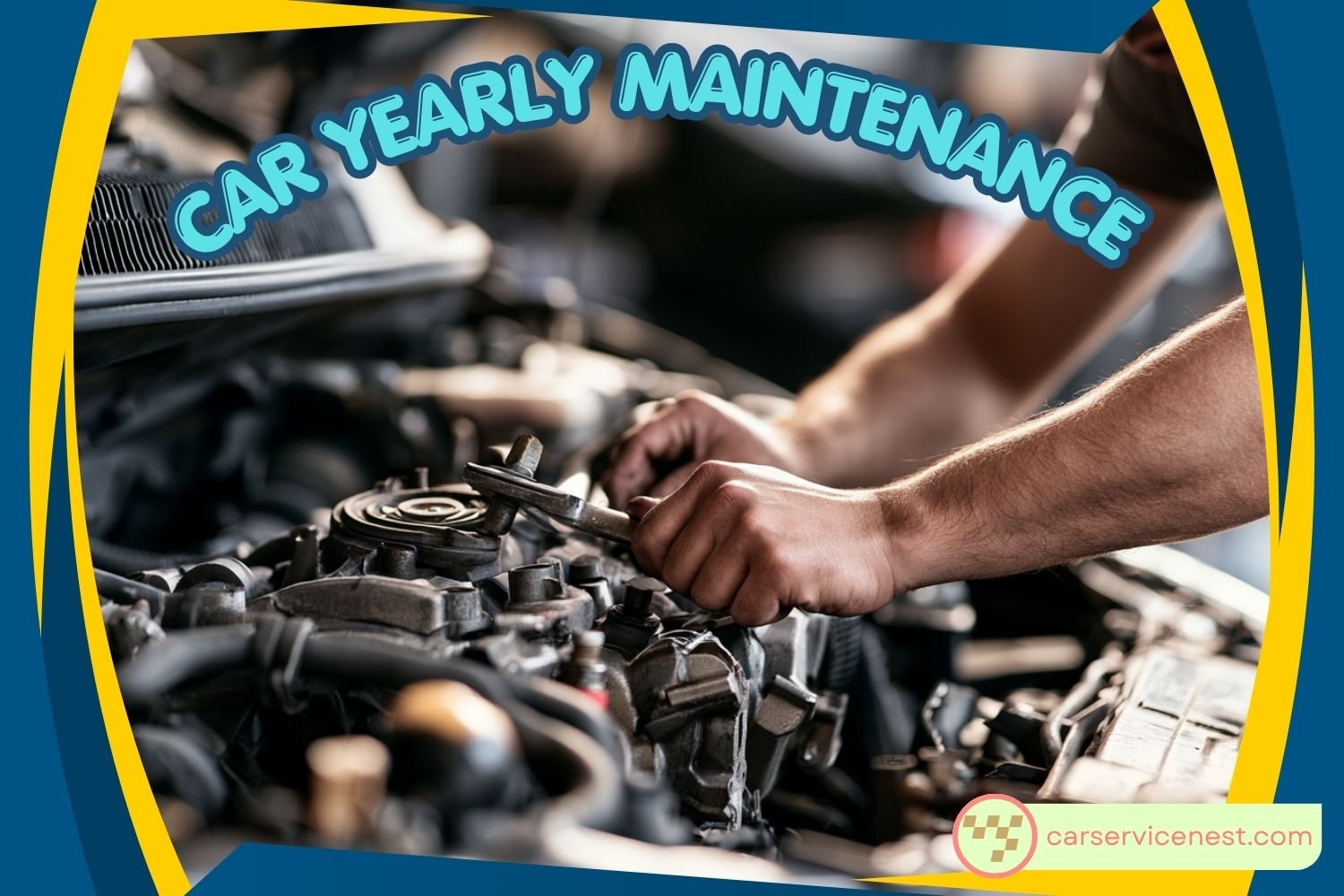
Utilizing a structured car yearly maintenance plan allows you to execute comprehensive inspections, fluid testing, filter replacements, and mechanical adjustments every 12 months that combine long-term vehicle safety with optimal mechanical reliability across the United States. Navigating annual automotive upkeep choices, such as comparing multi-point inspections and brake system checks against unexpected component failures, ensures you protect your household budget from emergency repair bills. Whether you are reviewing battery health testing steps, analyzing cabin and engine air filter replacement requirements, or following structured itemized service roadmaps, understanding expert automotive shop workflows allows you to execute an informed operational strategy that keeps your automobile reliable past 200,000 miles while preserving its market resale value.
The Significance of Annual Vehicle Upkeep
For U.S. vehicle owners navigating diverse climate extremes, from freezing winter snow-belt roads to blistering summer heat, automobiles endure severe environmental and mechanical stress over a 12-month period. Relying solely on episodic oil changes without an annual comprehensive check often allows hidden issues like degrading brake fluid, wearing suspension bushings, or weakening batteries to go unnoticed. Without proper annual service, motorists frequently expose themselves to sudden mechanical failures and inflated repair expenses.
Implementing a structured car yearly maintenance program establishes a reliable annual baseline that addresses hidden wear items before they cascade into major road failures. Proactive yearly service protects passenger safety and optimizes fuel economy. Moreover, understanding how professional preventive care impacts everyday vehicle reliability highlights why structured annual service scheduling is non-negotiable for modern car ownership.
The 4 Core Pillars of Car Yearly Maintenance
A comprehensive guide to car yearly maintenance practiced across the United States generally organizes annual vehicle care into four primary pillars:
1. Comprehensive Multi-Point Inspection: Auditing steering components, suspension shocks, exhaust lines, and belt wear annually.
2. Fluid Condition & Level Testing: Checking brake fluid moisture content, coolant freezing points, and power steering fluid levels.
3. Battery & Electrical System Audit: Performing professional load tests on starting batteries and checking alternator charging output.
4. Cabin & Engine Air Filter Replacement: Swapping out clogged air filters to protect engine airflow and interior HVAC air quality.
Master Car Yearly Maintenance Matrix
Reference this structured matrix to review annual vehicle maintenance tasks, service intervals, and safety benefits.
| Yearly Maintenance Task | Service Action & Frequency | Primary Safety & Reliability Benefit |
| Comprehensive Multi-Point Inspection | Performed once every 12 months or 15,000 miles. | Identifies hidden suspension, steering, and belt wear before failure occurs. |
| Brake System & Fluid Check | Annual rotor, pad, and brake fluid moisture testing. | Ensures optimal hydraulic stopping power and prevents brake fade. |
| Battery Load & Charging Test | Conducted annually prior to extreme winter or summer seasons. | Prevents unexpected no-start situations caused by dead or failing batteries. |
| Filter Replacements (Air & Cabin) | Replaced annually to maintain airflow and cabin air quality. | Protects engine combustion chambers and ensures clean interior HVAC air. |
Following this structured matrix ensures your vehicle receives thorough annual attention across all critical mechanical systems.
Diagnosing Ignored Annual Service vs. Proactive Yearly Upkeep
Comparing motorists who commit to car yearly maintenance with those who skip annual service highlights why structured 12-month upkeep matters:
| Maintenance Approach | Operational Habit | Long-Term Reliability & Financial Outcome |
| Proactive Yearly Maintenance | Executing comprehensive annual multi-point inspections and fluid checks every 12 months. | Maximizes vehicle reliability, catches minor wear early, and lowers long-term repair costs. |
| Episodic Upkeep | Performing oil changes on time but skipping annual multi-point inspections. | Allows hidden suspension or brake fluid degradation to progress unnoticed until failure occurs. |
| Total Annual Neglect | Ignoring vehicle service entirely until dashboard warning lights or breakdowns happen. | Results in expensive emergency towing, severe secondary mechanical damage, and massive repair bills. |
Embracing proactive car yearly maintenance safeguards your vehicle against unexpected breakdowns and costly emergency repairs.
DIY Garage Checks vs. Professional Annual Service Shops
Executing car yearly maintenance involves balancing home garage visual checks with professional auto repair shop annual inspections:
DIY Garage Checks: Simple annual checks including inspecting wiper blades, topping off windshield washer fluid, and testing tire tread depth.
Professional Service Shops: Comprehensive annual inspections requiring hydraulic lifts, computer diagnostic scanners, and battery load testers.
Service Responsibility Comparison Matrix
Evaluate home DIY garage checks against professional annual service shop inspections.
| Evaluation Factor | DIY Garage Checks | Professional Annual Service Shops |
| Time & Cost | Takes 15 minutes at home; zero labor cost | Takes 1 to 2 hours; shop annual service pricing ($150 – $350) |
| Tools Required | Flashlight, tire tread gauge, clean rags, funnel | Hydraulic lifts, OBD2 scanners, electronic battery load testers |
| Service Scope | Visual fluid level checks, tire pressure monitoring, wiper blade swaps | Under-car suspension inspection, brake thickness measurement, fluid moisture testing |
Combining home garage visual checks with professional annual service shop inspections creates an optimal vehicle care strategy.
Repair Time
Performing basic home garage visual checks takes about 15 minutes annually. Professional annual service shop inspections and multi-point evaluations typically require 1 to 2 hours of comprehensive shop labor.
U.S. Regional Climate Impact on Annual Service
Geographic weather conditions across the United States introduce regional environmental factors that influence what specific focal points your car yearly maintenance checklist should emphasize:
Northern Salt Belt States: Freezing winter conditions and road salt exposure require annual underbody washing inspections and brake line corrosion checks.
Sunbelt & Desert Southwest: Intense ambient heat accelerates battery fluid evaporation and coolant breakdown, demanding rigorous annual electrical and thermal testing.
Coastal Regions: High humidity and salt air promote electrical terminal oxidation, requiring proactive annual cleaning and protective sealing.
Maintenance Schedule
| Annual Service Task | Recommended Frequency | Primary Benefit |
| Comprehensive Multi-Point Inspection | Annually (Every 12 Months) | Identifies hidden suspension and belt wear before failure |
| Brake System & Fluid Moisture Test | Annually | Ensures optimal hydraulic stopping power and prevents brake fade |
| Battery Load & Charging System Audit | Annually | Prevents unexpected no-start situations during weather extremes |
Frequently Asked Questions (FAQs)
1. What is included in car yearly maintenance, and how often should U.S. vehicle owners service their cars?
Car yearly maintenance typically includes a multi-point inspection, fluid checks, filter replacements, and tire rotations. Most vehicle owners should follow their manufacturer’s recommended service schedule, which may include annual inspections depending on mileage and driving conditions.
2. How do annual vehicle inspections and fluid checks prevent major mechanical breakdowns?
Regular inspections help identify worn components, fluid leaks, and deteriorating fluids before they cause serious mechanical problems. Timely maintenance can reduce unexpected breakdowns and expensive repairs.
3. What is the difference between minor annual maintenance and major multi-year service milestones?
Minor maintenance generally includes oil changes, fluid checks, filter replacements, and routine inspections. Major service milestones may involve spark plug replacements, timing belt changes, and transmission or coolant system maintenance, depending on the vehicle.
4. What is the average cost of professional annual car maintenance services in the U.S.?
The cost of car yearly maintenance varies depending on vehicle type, service requirements, and location. Basic maintenance may cost around $150 to $350, while major scheduled services can range from $400 to $900 or more.
5. Can you skip car yearly maintenance if your vehicle has low annual mileage?
No, low mileage does not eliminate the need for regular maintenance. Engine fluids can deteriorate over time, while rubber components and other vehicle parts may age even when the car is not driven frequently.
6. Where can U.S. vehicle owners get professional annual inspections and maintenance performed?
Vehicle owners can schedule car yearly maintenance at authorized dealership service centers, national auto repair chains, and reputable independent automotive repair shops. Choose a qualified service provider familiar with your vehicle.
7. What should you do if an annual vehicle inspection reveals worn suspension or leaking brakes?
Have the problems evaluated and repaired by a qualified mechanic before continuing to drive if the vehicle may be unsafe. Brake leaks and serious suspension problems require prompt attention to prevent accidents and further damage.
8. How does car yearly maintenance affect vehicle resale value in the United States?
A documented maintenance history demonstrates that a vehicle has received proper care. Regular servicing, inspection records, and repair receipts can build buyer confidence and help maintain resale value in the used-car market.
Final Takeaway
Navigating vehicle ownership and ensuring long-term mechanical dependability becomes significantly easier when you commit to a structured 12-month service schedule. By reviewing your calendar, scheduling comprehensive multi-point inspections, and replacing wearable filters and fluids on time, you can execute reliable car yearly maintenance routines to protect your investment, avoid unexpected repair costs, and ensure flawless performance across all U.S. driving conditions.