Introduction
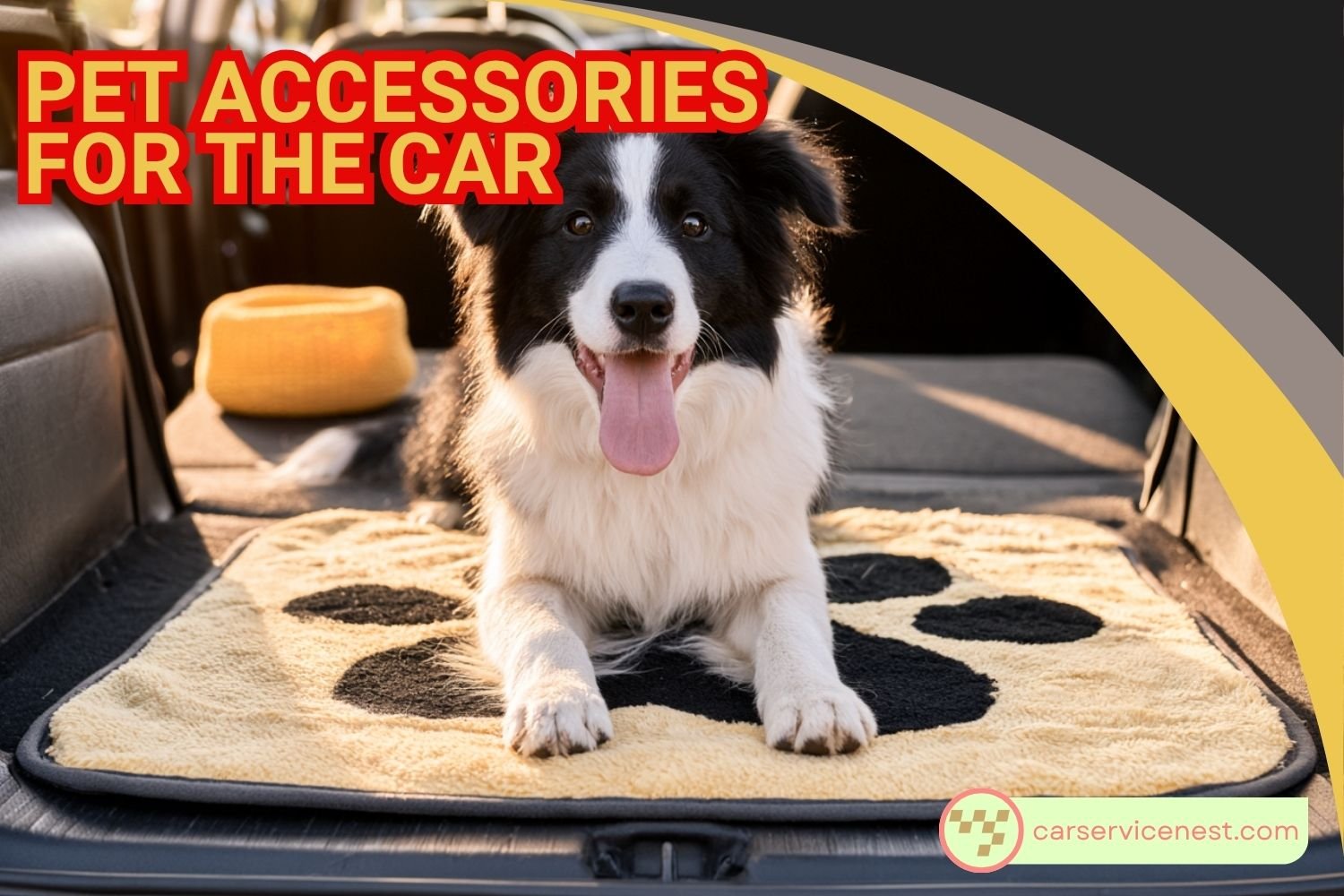
Securing traveling pets and protecting vehicle interiors with pet accessories for the car combines animal safety with uncompromising cabin defense across the United States. Navigating animal travel enhancement choices, such as comparing waterproof hammock seat covers and crash-tested harnesses against unverified universal mats, ensures you protect your household budget from claw punctures, muddy paws, and premature interior wear. Whether you are reviewing heavy-duty textile build quality evaluation steps, analyzing secure seat belt tethering and pet safety harness requirements, or following structured itemized upgrade roadmaps, understanding expert pet travel workflows allows you to execute an informed financial strategy that keeps your automobile clean past 200,000 miles while preserving its market resale value.
The Significance of the Safety Assessment: Key Factors When Selecting Pet Accessories for the Car
For U.S. vehicle owners navigating automotive upgrades, evaluating precise cabin dimensions and animal weight categories serves as the primary operational factor when selecting pet accessories. Navigating the automotive pet accessory market demands an understanding of precise cabin dimensions and animal weight categories. Before buying or installing seat covers, harnesses, or barriers, evaluating whether a product matches your vehicle’s exact seat configuration prevents hazardous shifting and ensures complete coverage across vulnerable door panels. Start by identifying your specific tracking and organizational preferences. Setting aside predictable time for scheduled upgrades ensures your vehicle receives necessary attention without throwing off your household cash flow, and factoring in component aging prevents frustration when minor add-ons eventually fail. Look for durable materials, simple application processes, robust warranty coverage, and verified compatibility with your specific vehicle framework. When evaluating options to manage your schedule based on pet accessories for the car, consider how each product tier handles everyday driving stress and regional pricing tiers. Evaluating the core purpose of your planning prevents unexpected financial crunches and ensures you select documentation paths that genuinely protect your vehicle investment. This meticulous approach to accessory management allows drivers to enjoy dependable pet safety without forcing an unprepared modification that compromises safety. Owners must evaluate whether a seat cover accommodates standard bench seating or split-folding configurations without hindering passenger access.
| Selection Factor | Primary Consideration | U.S. Ownership Impact & Scope |
| Fitment Verification | Exact vehicle cabin dimensions and animal weight categories | Ensures seat covers accommodate standard bench or split-folding seats without hindering access |
| Climate Durability | Resistance to extreme summer heat and muddy winter conditions | Ensures waterproof fabrics and reinforced mesh windows withstand harsh regional weather |
| Material Strength | Heavy-duty oxford weaves and waterproof TPU coatings | Defends against claw punctures, muddy paws, and liquid spills |
Selecting high-grade budgeting and planning habits ensures that your preparation for understanding pet accessories for the car withstands rigorous financial scrutiny across American vehicle ownership cycles. Long-term durability under varying regional climates is another critical decision factor, ensuring that waterproof fabrics and reinforced mesh windows withstand extreme summer heat and muddy winter conditions. Matching your selection criteria to these environmental benchmarks ensures long-lasting durability and optimal performance throughout your vehicle ownership.
Material Construction and Polymer Mechanics in Pet Protection Gear
Modern 600D oxford polyester (HDOF), thermoplastic polyurethane (TPU) waterproof membranes, rigid ventilation mesh, and non-slip rubber backing installed on your vehicle are engineered using sophisticated manufacturing techniques designed to handle heavy pet travel and extreme environmental conditions safely. When evaluating options related to pet accessories for the car, understanding how proper material construction supports daily durability prevents excessive wear or structural breakdown during highway driving and long-distance road trips. 600D oxford polyester provides high tear resistance and heavy claw protection for rear bench seat hammocks for active dogs, whereas thermoplastic polyurethane offers a 100% waterproof membrane and spill defense for wet weather and muddy paw containment. Regular maintenance and proper cleaning maintain these material interactions, ensuring safe operational limits across all weather conditions.
Evaluating primary construction materials helps vehicle owners select durable accessories that balance rugged utility performance against everyday cabin comfort. Better materials resist heat, moisture, heavy foot traffic, and daily wear. Professional detailers and car owners utilize appropriate cleaning gear to service these accessory interfaces. Understanding these material and chemical characteristics explains why professional-grade build quality and precise fitment standards are mandatory for keeping your vehicle interior protected, clean, and fully functional. Comparing material specifications ensures you select heavy-duty components engineered for rigorous daily driving use.
| Material Classification | Primary Structural Benefit | Ideal U.S. Application & Scope |
| 600D Oxford Polyester | High tear resistance & heavy claw protection | Rear bench seat hammocks for active dogs |
| Thermoplastic Polyurethane | 100% waterproof membrane & spill defense | Wet weather and muddy paw containment |
| Rigid Mesh Ventilation | Airflow promotion & driver visibility | Front-to-back center console pet barriers |
Common Factors That Influence Pet Accessories for the Car Pricing Explained
Several critical variables determine the final purchase price or supply investment required when examining pet accessories for the car options. Key pricing factors to incorporate include:
Product Category and Build Quality: Investing in pet travel enhancements involves balancing upfront equipment costs against long-term preservation of your vehicle’s resale value, ranging from crash-tested pet harnesses ($25 to $70) to waterproof seat hammocks ($40 to $100). For U.S. drivers who want predictable budgeting, assessing category pricing is essential.
Universal Versus Custom Fitment Options: Evaluating universal pet covers versus vehicle-specific custom solutions highlights significant performance and safety trade-offs, where universal hammock protectors often bunch up or slide off bench seats while custom-fit options utilize precise anchor straps and seat-anchoring inserts to stay locked firmly in place. Suspension layout, frame reinforcement, and accessory positioning were optimized to maximize structural integrity without sacrificing accessory installation access.
| Accessory Category | Average Investment Range | Resale Preservation Impact & Scope | Operational Impact |
| Waterproof Seat Hammocks | $40 – $100 Dollars | Prevents claw punctures & fluid stains | Protects rear bench leather and upholstery against muddy paws |
| Crash-Tested Pet Harnesses | $25 – $70 Dollars | Secures pets safely during sudden stops | Prevents pet distraction and restrains movement during transit |
| Mesh Headrest Barriers | $30 – $60 Dollars | Keeps pets safely contained in back seat | Maintains cabin airflow while blocking unauthorized front seat entry |
| Universal Pet Covers | Loose fitment tendencies | Bench seat exposure risks | Offers broad compatibility with potential sliding issues |
| Custom-Fit Options | Precise anchor straps | Secure locked-in placement | Conforms perfectly to specific vehicle bench seats |
Financial Impact: Universal Pet Covers vs. Custom-Fit Waterproof Seat Hammocks
Comparing average U.S. accessory prices highlights pricing expectations across universal pet covers and custom-fit waterproof seat hammocks when calculating expenses associated with pet accessories for the car. Custom-fit financial and vehicle choices usually provide a clearer budgeting picture, superior component predictability, and fewer unexpected expenses compared to generic averages. When evaluating pet accessories for the car, checking factors like crash-tested pet harnesses ($25–$70) versus waterproof seat hammocks ($40–$100) ensures total financial awareness. Furthermore, investing early in quality protective seat covers and crash-tested harnesses safeguards factory leather and carpeting from permanent stains and odor absorption.
| Cost-Saving Method | Actionable Description | Estimated Monthly Impact | Operational Impact |
| High-Value Pet Upgrades | Prioritize waterproof seat hammocks, crash harnesses, and mesh barriers. | Delivers maximum pet safety at reasonable expense ($25–$100 range). | Cost-effective everyday enhancement |
| Custom-Fit Preservation | Purchase vehicle-specific anchors that reduce wear on original factory seating. | Preserves vehicle condition and helps maintain higher resale value. | Long-term asset protection |
| Proactive Quality Selection | Invest in 600D oxford fabric, TPU membranes, and robust metal hardware | Reduces replacement frequency and lowers long-term costs. | Durable asset retention |
| Meticulous Record Retaining | Keep physical or digital copies of all accessory purchase receipts and maintenance logs | Protects warranty validity and verifies component backing. | Financial equity preservation |
Simple Step-by-Step Installation Rules
Professional accessory installation or DIY garage upgrades require following strict safety procedures and manufacturer guidelines when exploring pet accessories for the car:
1. Surface Decontamination: Executing a clean installation begins with thorough surface decontamination using a vacuum to remove loose pet hair and debris.
2. Securing Hammock Seat Covers: Securing hammock seat covers requires looping adjustable straps tightly around front and rear headrests.
3. Fastening Seat Anchors Firmly: Fastening seat anchors firmly into the seat crease ensures the protector stays taut during transit.
4. Connecting Harness Tethers: Attach crash-tested pet safety harnesses securely to vehicle seat belt receptacles or LATCH anchor bars, verifying proper length adjustment to restrict unrestrained movement.
5. Save All Purchase Records: Save your accessory purchase receipts, warranty cards, and installation guides in a dedicated binder or digital logbook to maintain comprehensive records.
Maintenance and Care Tips
Financial planning frequency and accessory monitoring depend on driving conditions, geographic climate, and exposure to thermal stress. Keep repair invoices, warranty information, and service schedules for future reference. Inspect periodic maintenance milestones and independent accessory pricing schedules on a regular schedule to maintain financial awareness. Evaluate vehicle wear patterns before committing to major high-end cosmetic overhauls.
Building consistent habits around your automotive accessories transforms maintenance from an overwhelming burden into an effortless routine. Clean waterproof seat hammocks, oxford fabric covers, and mesh headrest barriers periodically using damp microfiber cloths, mild soapy water, or gentle machine washing cycles where removable. Check headrest strap tension, seat anchor firmness, and harness metal hardware integrity regularly for wear or loosening. Store portable pet gear in a dry location when not in use to maintain structural integrity. Choose accessories that enhance pet travel safety while reducing strain on factory vehicle interior structures.
Regional U.S. Climate Considerations for Pet Travel Accessories
Geographic location across the United States introduces unique environmental stressors that alter what is required for proper pet accessories for the car maintenance: warm southern states and sunny regions require breathable mesh ventilation and heat-resistant fabrics to keep pets comfortable during long summer drives, while wet northern and coastal regions demand 100% waterproof TPU membranes to contain mud, slush, and heavy moisture from wet paws. Balancing where and how you service your vehicle is one of the most effective ways to lower your annual cost of ownership in the USA. Budget products can meet basic short-term needs, but premium preventative care items often prevent catastrophic failures and provide better overall value through improved reliability and stronger warranties. Balancing initial upgrade costs against expected lifespan helps you maximize the long-term utility of your vehicle investments.
Adhering to a strict preventive maintenance schedule minimizes environmental climate stress across all regional driving conditions.
| U.S. Driving Region / Condition | Environmental Stress Factor | Accessory Adaptation Strategy | Typical Regional Impact |
| Warm Southern & Sun Regions | High cabin temperatures and pet heat buildup | Utilize rigid mesh ventilation and breathable fabrics | Promotes cabin airflow and prevents pet overheating |
| Wet Northern & Coastal Zones | Heavy rain, mud, and wet pet paws | Install waterproof TPU membrane hammock covers | Traps moisture completely and protects factory bench seating |
| Preventative Cleaning Schedules | Regular vacuuming and damp cloth wiping | Lower long-term accessory replacement spending | Maintains fresh cabin hygiene and clean fabric texture |
| Long-Distance Highway Routes | Extended travel testing harness security and comfort | Equip crash-tested harnesses and secure headrest barriers | Secures pets safely during sudden stops and eliminates driver distraction |
| Active Pet Fleets | Claws, fur, and heavy daily animal traffic | Apply heavy-duty 600D oxford polyester seat protectors | Defends leather upholstery against punctures and permanent stains |
Potential Drawbacks and Consideration Factors
Certain contract terms, such as strict warranty compliance clauses or specialized vehicle safety regulations regarding pet restraint tethering, add substantial financial risk if not reviewed carefully. Premium dealership service networks carry higher hourly labor rates compared to independent pay-as-you-go alternatives. Finding available appointment flexibility can also require advance scheduling during peak seasonal rush times. Additionally, deferring minor maintenance items can cause compounding mechanical or interior failures that multiply future repair bills.
Common Misunderstandings About Automotive Add-Ons
A frequent misconception when evaluating pet accessories for the car options is that universal pet covers provide equal protection to custom-fit solutions, whereas universal hammock protectors often bunch up or slide off bench seats, leaving leather upholstery exposed to scratches, while custom-fit options utilize precise anchor straps and seat-anchoring inserts to stay locked firmly in place. Another myth is that any dog leash can serve as a safe car seat belt restraint, whereas certified crash-tested pet harnesses with robust metal hardware are specifically engineered to secure pets safely during sudden stops and prevent distracted driving hazards. Understanding these distinctions clarifies why technical accuracy and selecting high-quality maintenance tools bridge the gap between amateur mistakes and effective vehicle customization.
Frequently Asked Questions
1. What are the best pet accessories for the car?
The best pet accessories for the car include waterproof hammock seat covers, crash-tested safety harnesses, and mesh headrest barriers. These products help improve pet comfort, protect vehicle interiors, and support safer travel.
2. How do I choose a safe dog seat belt harness?
Choose a dog seat belt harness with reliable crash-test information, durable metal hardware, and adjustable straps. Make sure it is compatible with your vehicle and securely attached according to the manufacturer’s instructions.
3. Are pet car hammock seat covers waterproof?
Many premium hammock seat covers feature multiple layers and waterproof TPU backing to protect vehicle seats from muddy paws, spills, and moisture. Check the product specifications to confirm its water resistance.
4. How do I protect car leather seats from pet claws?
Using heavy-duty 600D Oxford fabric seat covers with padded layers can help protect leather seats from scratches, dirt, and pet claws. These protective pet accessories for the car are useful for maintaining your vehicle’s interior.
5. Do mesh headrest barriers obstruct the driver’s rearview visibility?
Most well-designed mesh barriers allow airflow and provide some visibility through the material. However, visibility depends on the mesh design and installation, so choose a barrier that does not obstruct the driver’s view.
6. Can crash-tested pet harnesses attach directly to standard seat belt buckles?
Some crash-tested pet harnesses include compatible connectors that attach to vehicle seat belt receptacles. Always check compatibility and follow the harness manufacturer’s instructions to ensure proper installation.
7. How do seat anchors prevent hammock covers from sliding?
Seat anchors fit into the gaps between the seat cushions and backrests to help keep hammock covers in position. They reduce unwanted movement when pets change positions during car journeys.
8. Are 600D Oxford fabric pet seat covers machine washable?
Some 600D Oxford fabric covers are machine washable, while others require spot cleaning or hand washing. Always follow the manufacturer’s cleaning instructions to maintain their durability and protective features.
Final Takeaway
To ensure safe, comfortable, and stress-free journeys for both you and your furry companion, investing in the right pet accessories for the car is essential. By equipping your vehicle with reliable items like secure harnesses, protective seat covers, and sturdy travel barriers, you can minimize driver distractions and protect your pet from sudden stops. Ultimately, thoughtful preparation transforms everyday commuting into a safer, more enjoyable experience for everyone on board.