Introduction
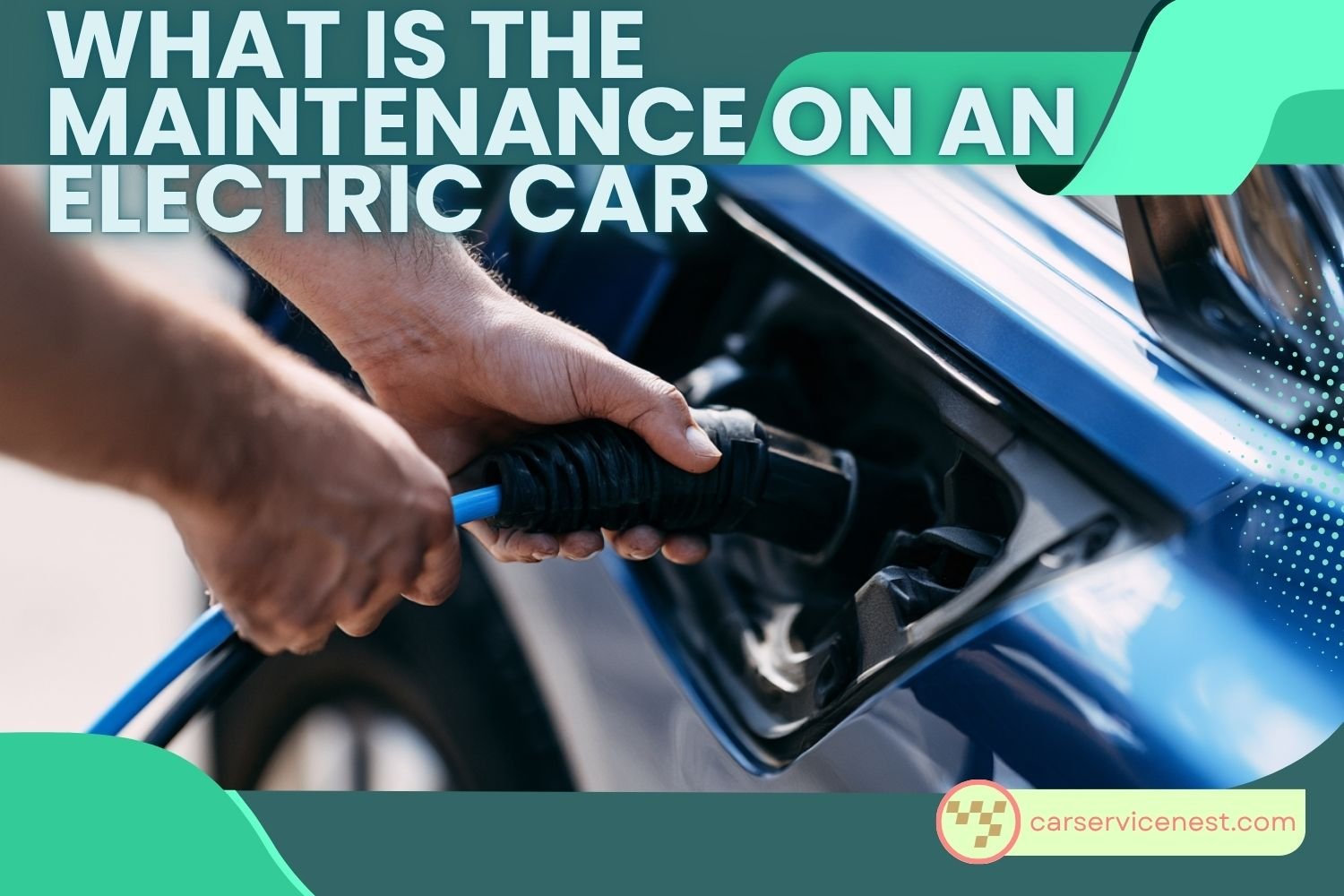
Understanding what is the maintenance on an electric car, which is significantly simpler and less expensive than maintaining traditional gas vehicles due to the complete elimination of internal combustion engines, oil changes, spark plugs, timing belts, and exhaust systems across the United States, combines modern electric vehicle efficiency with reduced upkeep expenditures.
Navigating EV ownership choices, such as comparing routine service tasks focused primarily on tire rotations, cabin air filters, and thermal management coolant loops against traditional combustion engine maintenance, ensures you protect your household budget from unneeded service expenses. Whether you are reviewing recommended service interval evaluation steps, analyzing high-voltage battery coolant requirements and regenerative braking care, or following structured itemized care roadmaps, understanding expert EV specialist workflows allows you to execute an informed operational strategy that keeps your electric vehicle reliable past 200,000 miles while preserving its market resale value.
Understanding Electric Car Maintenance vs. Gas Vehicles
For U.S. motorists transitioning to battery-electric transportation, understanding EV maintenance requirements reveals an entirely new ownership experience. Because electric motors feature drastically fewer moving parts than internal combustion engines, routine mechanical wear is reduced to a fraction of traditional upkeep.
With no oil to change, spark plugs to replace, or emissions systems to service, EV owners spend less time at repair shops and enjoy lower cumulative maintenance costs throughout the vehicle’s lifespan.
Financial Planning: How Much Does Car Maintenance Cost?
For U.S. vehicle owners managing household expenses, understanding how much a car maintenance cost is essential to prevent unexpected financial burdens. On average, routine maintenance and minor repairs cost U.S. vehicle owners between $400 and $800 annually for a traditional gas car, whereas electric vehicles typically save 40% to 50% on routine upkeep. While modern engineering has extended service intervals, ignoring foundational items like tire rotations and brake fluid inspections can transform minor preventative upkeep into multi-thousand-dollar emergency repairs. Understanding these typical costs allows drivers to plan ahead and protect their long-term automotive investment.
Vehicle upkeep expenses depend on how frequently you drive and the lifecycle stage of your car. Newer automobiles require mostly basic inspections, whereas aging cars demand heavy component replacements.
1. Routine Upkeep and Fluid Checks ($200 – $450 Annually): Routine maintenance covers scheduled items like tire rotations, cabin filter replacements, and coolant loop inspections performed every 5,000 to 7,500 miles.
2. Wear-and-Tear Replacements ($150 – $300 Annually): Consumable parts wear down over time. Budgeting for wiper blade swaps, washer fluid top-offs, and periodic tire balancing covers these inevitable wear items.
3. Milestone and Minor Repairs ($100 – $250 Annually): As odometers climb past 60,000 miles, setting aside funds for thermal coolant flushes and minor electrical checks ensures financial stability.
Top 4 Key Areas of Electric Car Maintenance
A comprehensive review of electric vehicle service requirements across the United States highlights four primary upkeep priorities:
1. Frequent Tire Rotations & Inspections: Due to the heavy weight of battery packs and instant electric torque, EV tires experience faster tread wear and require regular rotations every 5,000 to 7,500 miles.
2. Regenerative Braking Preservation: One-pedal driving and regenerative braking capture kinetic energy to recharge the battery while heavily reducing physical friction brake wear, extending pad life past 100,000 miles.
3. Thermal Management & Coolant Loops: EV battery packs and electronics rely on specialized liquid cooling systems that require periodic coolant flushes and system inspections per manufacturer specifications.
4. Cabin Air Filters & Wiper Upkeep: Routine tasks like replacing HEPA or cabin air filters, topping off windshield washer fluid, and swapping wiper blades remain essential for daily driver comfort.
Master EV vs. Gas Maintenance Comparison Matrix
Reference this structured matrix to review how electric vehicle maintenance tasks compare directly with traditional gasoline vehicles.
| Maintenance Service | Traditional Gas Vehicle | Electric Vehicle (EV) Experience |
| Engine Oil & Filter Changes | Every 5,000 to 7,500 miles. | None required (Zero internal combustion engine components). |
| Spark Plugs & Tune-Ups | Required every 30,000 to 100,000 miles. | None required (No spark ignition system). |
| Brake Pad Replacements | Every 25,000 to 30,000 miles. | Rarely needed before 100,000+ miles due to regenerative braking. |
| Exhaust & Emissions System | Catalytic converters, mufflers, and oxygen sensors require periodic service. | None required (Zero tailpipe emissions). |
Following this structured comparison matrix ensures you understand the fundamental operational differences in electric vehicle upkeep.
Service Duration Planning: How Long Does It Take for Car Maintenance?
For U.S. vehicle owners balancing busy daily commitments, knowing how long car maintenance takes is critical for planning transportation and work schedules. Whether you are dropping off your vehicle for a quick tire rotation or a comprehensive mileage milestone inspection, service turnaround times vary widely based on the specific mechanical task, shop workflow, and part availability. Standard minor services like a cabin air filter swap typically take 15 to 30 minutes, whereas comprehensive major services or complex electrical diagnostics can require anywhere from 2 to 4 hours or even a full working day. Understanding these timeframes helps drivers manage expectations, coordinate rides, and ensure their vehicles receive proper professional attention.
Not all vehicle maintenance tasks are created equal. While some minor services are engineered for maximum speed in dedicated express lanes, comprehensive checkups require meticulous testing, teardown, and precision labor.
1. Routine Minor Services (15 to 45 Minutes): Proactive minor services, such as cabin air filter replacements, windshield wiper blade swaps, and quick tire pressure checks, are designed for rapid turnaround.
2. Intermediate and Milestone Services (1 to 3 Hours): Services occurring at regular mileage increments (such as tire rotations, brake fluid checks, wheel alignments, and suspension checkups) involve multiple vehicle systems and require specialized equipment, extending the timeframe to between 1 and 3 hours.
3. Major Overhauls and Complex Repairs (3 to 6+ Hours): Major services, including thermal management coolant loop flushes, high-voltage battery diagnostics, or electronic inverter repairs, demand extensive labor and diagnostic testing time, frequently requiring the vehicle to remain at the service center for half a day or longer.
Car Maintenance Duration Matrix
Reference this structured matrix to review service categories, average time requirements, and included maintenance tasks.
| Service Category | Average Duration | Primary Tasks Included |
| Cabin Air Filter Swap | 15 – 30 Minutes | Removing old cabin micro-filter, installing new particulate filter. |
| Tire Rotation & Pressure Check | 30 – 45 Minutes | Swapping tire positions, checking tread depth, adjusting cold PSI. |
| Brake Fluid Testing & Service | 1.0 – 1.5 Hours | Testing brake fluid moisture levels, flushing hydraulic lines if needed. |
| Mileage Milestone Check (30k/60k) | 2.0 – 3.0 Hours | Comprehensive multi-point inspection, coolant checks, suspension review. |
| Thermal Coolant System Service | 3.0 – 5.0 Hours | Flushing high-voltage battery and drive unit liquid cooling loops. |
Service Strategy & Financial Impact Matrix
Use this matrix to analyze how routine EV upkeep compares financially with long-term battery and component milestones.
| Ownership Category | Financial & Operational Profile | Long-Term Reliability Impact |
| Routine Preventive Upkeep | Extremely low annual costs (typically 40% to 50% cheaper than gas cars; $200 – $450/yr). | Keeps drivetrain operating efficiently past 200,000 miles. |
| High-Voltage Battery Pack Replacement | Major expense ($5,000 – $15,000+) if degradation occurs outside warranty windows. | Protected by mandatory federal manufacturer warranties (8 years/100,000+ miles). |
| Total Service Neglect | Ignoring thermal management coolant loops can cause battery overheating and cell throttling. | Results in reduced driving range and expensive electronic diagnostic bills. |
Evaluating financial structures emphasizes why dramatic savings on oil and brakes heavily offset long-term component considerations.
DIY Garage Upkeep vs. Professional Shop Service
Managing electric vehicle maintenance involves balancing simple home garage checks with specialized certified professional shop service:
DIY Home Upkeep: Inspecting tire pressure, checking tread depth, swapping cabin air filters, and replacing wiper blades at home.
Professional Shop Service: High-voltage system diagnostics, thermal coolant loop flushes, software updates, and suspension work requiring certified technicians.
Service Responsibility Comparison Matrix
Evaluate home DIY maintenance tasks against professional shop service responsibilities for electric vehicles.
| Evaluation Factor | DIY Home Upkeep | Professional Shop Service |
| Time & Effort | Takes minutes in home driveway with basic tools | Requires specialized dealership or EV service bay appointment |
| Safety & Accuracy | Visual checks of fluid levels, tires, and wiper blades | High-voltage isolation testing and advanced electronic module flashing |
| Service Scope | Air filters, wiper blades, washer fluid, tire pressure checks | Thermal coolant changes, EV battery diagnostics, and heavy suspension repairs |
Combining home DIY checks with professional shop service creates an ideal strategy for managing electric vehicle ownership.
U.S. Market EV Service Cost Benchmarks
Review typical out-of-pocket pricing benchmarks for standard electric vehicle maintenance packages in the U.S.:
| EV Service Category | Estimated Cost ($ USD) | Pricing Scope & Context |
| EV Tire Rotation & Balance | $40 – $80 per service | Performed every 5,000 to 7,500 miles to counter heavy instant-torque wear. |
| Thermal Management Coolant Flush | $200 – $350 per service | Flushes battery and inverter cooling loops per manufacturer mileage milestones. |
| Cabin Air Filter & Wiper Replacement | $50 – $100 per service | Maintains interior air cleanliness and optimal visibility across all seasons. |
Knowing these EV service pricing benchmarks prevents financial surprises when budgeting for annual vehicle upkeep.
Master Service Schedule for General Maintenance on a Car
Following a time and mileage-based schedule ensures that no critical maintenance item is overlooked:
Minor Routine Service (Every 5,000 to 7,500 Miles / 6 Months): Tire rotation and cold inflation pressure check; topping off windshield washer fluid; visual check of suspension components and lighting.
Intermediate Maintenance (Every 15,000 to 30,000 Miles / 12 to 24 Months): Cabin air filter replacement to maintain interior air quality and prevent HVAC evaporator mold; hydraulic brake fluid moisture test.
Major Mileage Overhaul (Every 60,000 to 100,000 Miles / 4 to 8 Years): Thermal management coolant loop flush; high-voltage battery health diagnostics; thorough multi-point structural inspection.
General Maintenance Inspection & Service Matrix
Review the master service matrix detailing component inspection tasks, frequencies, and action triggers.
| Vehicle System | General Maintenance Task | Target Service Frequency | Action Trigger / Failure Sign |
| Tires & Wheel Assembly | Rotate tires, balance, set cold inflation pressure | Every 5,000 – 7,500 Miles | Tread depth <4/32″, uneven tire wear. |
| Cabin Air Filtration | Replace cabin micro-filter element | Every 2 Years | Musty odor, reduced airflow from vents. |
| Brake System | Inspect pads, rotors, and test fluid moisture | Every 2 to 4 Years | Fluid moisture >2%, squealing or scraping. |
| Battery & Charging | Test 12V auxiliary battery health | Every 2 to 3 Years | Slow electronic boot, accessory power warnings. |
| Cooling & Thermal | Inspect high-voltage coolant levels and loops | Every 4 Years / 50,000 Miles | Temperature alerts, reduced charging speed. |
Frequently Asked Questions (FAQs)
1. What is the maintenance on an electric car compared to a traditional gas vehicle?
Electric car maintenance is generally lower than gas vehicle maintenance because EVs do not have internal combustion engines. They eliminate services such as engine oil changes, spark plug replacements, timing belt maintenance, and exhaust system repairs.
2. What is the maintenance on an electric car regarding oil changes and transmission fluid?
Electric cars do not require engine oil changes or spark plug replacements. However, some EVs still require periodic checks or fluid replacements for reduction gears, cooling systems, and other components, depending on the manufacturer.
3. How often do electric vehicle tires and brake pads need replacement?
EV tires may wear faster because of the vehicle’s weight and instant torque. Tire rotations are commonly recommended every 5,000–7,500 miles, while regenerative braking can help brake pads last longer.
4. Is the maintenance on an electric car cheaper over long-term ownership?
Yes, electric vehicles generally have lower routine maintenance costs than comparable gasoline-powered vehicles. Savings come from fewer moving parts and fewer regular service requirements.
5. What happens if an electric car battery fails outside its warranty?
An electric vehicle battery replacement can be expensive, depending on the model, battery capacity, and repair requirements. Many modern EV batteries are designed for long-term use, and warranty coverage varies by manufacturer and market.
6. Can you service an electric car at any standard repair shop?
Routine services such as tire replacement, wiper changes, and cabin air filter replacement can often be performed at standard repair shops. However, high-voltage electrical repairs and advanced battery diagnostics require properly trained EV technicians.
7. Does the maintenance on an electric car include regular electric motor servicing?
Electric motors generally require less maintenance than traditional combustion engines because they have fewer moving parts. However, periodic inspections and manufacturer-recommended servicing are still important for long-term performance.
8. Where can U.S. motorists find the correct electric car maintenance schedule?
Drivers can find accurate maintenance schedules in their vehicle owner’s manual or on the manufacturer’s official website. These resources explain recommended inspections, fluid checks, tire rotations, and other maintenance requirements.
Final Takeaway
What is the maintenance on an electric car To stay on track, review your electric vehicle owner’s manual to note specific tire rotation intervals and thermal coolant check milestones. While brake pad replacements can wait indefinitely longer than traditional cars thanks to regenerative braking, you must schedule professional help right away if your EV displays dashboard warning codes related to the high-voltage battery system or thermal management.