Introduction
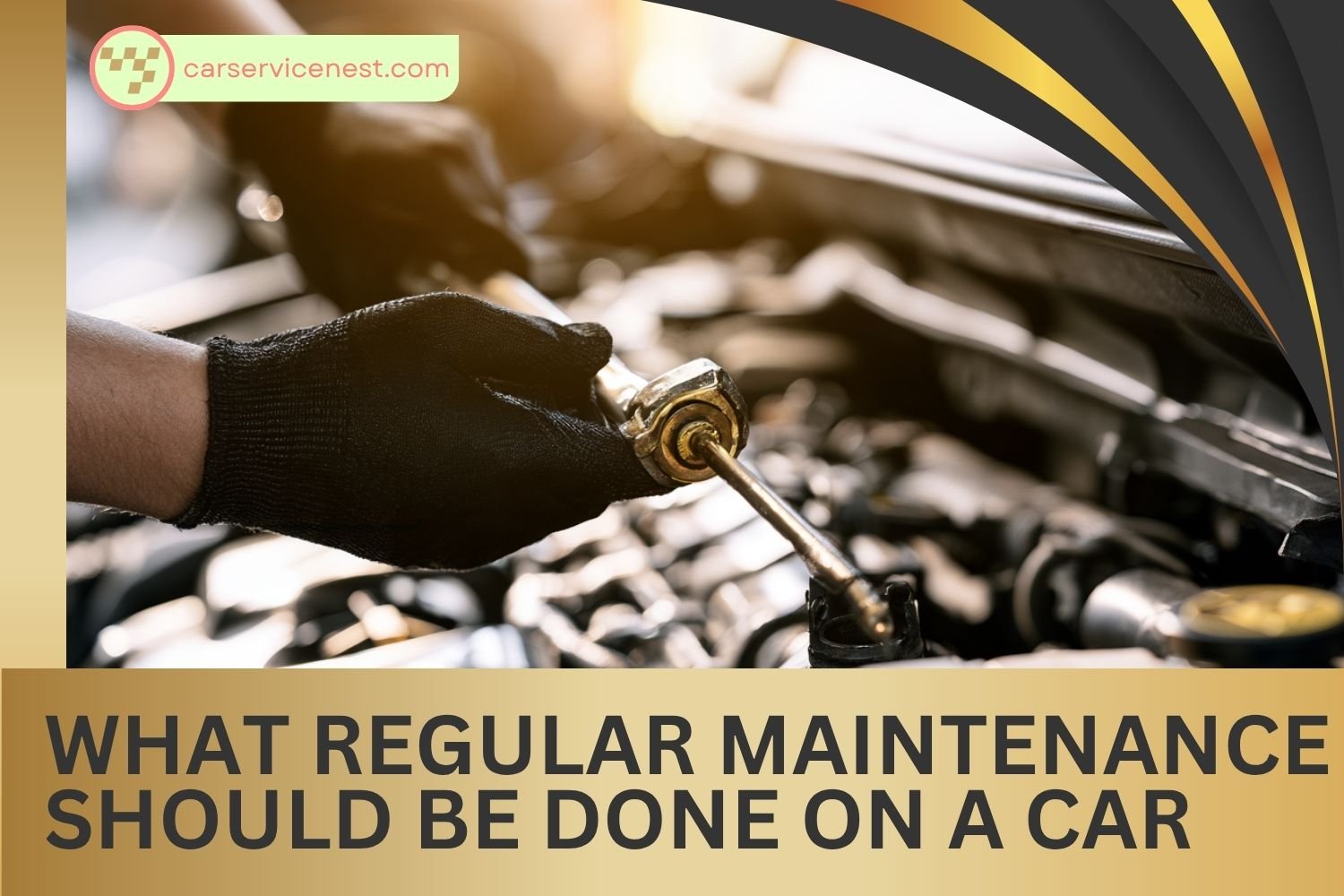
Understanding what regular maintenance should be done on a car, such as scheduled preventive service tasks and inspections like synthetic oil changes every 5,000 to 7,500 miles, tire rotations, brake pad inspections, and filter replacements to keep vehicles operating safely and efficiently across the United States, combines proactive mechanical care with long-term vehicle durability.
Navigating automotive upkeep choices, such as comparing proactive preventive service tasks against unexpected mechanical component failures and emergency repair bills, ensures you protect your household budget from unserviced wear. Whether you are reviewing mileage service interval evaluation steps, analyzing synthetic motor oil viscosities and tire pressure specifications, or following structured itemized care roadmaps, understanding expert automotive shop workflows allows you to execute an informed operational strategy that keeps your automobile reliable past 200,000 miles while preserving its market resale value.
The Core Difference Between Regular Maintenance and Repair
For U.S. vehicle owners, understanding the fundamental difference between regular maintenance and sudden repairs is essential for effective household budgeting. Maintenance encompasses scheduled preventive care that preserves factory performance, whereas repairs involve replacing components that have worn out or broken unexpectedly.
Sticking strictly to a regular maintenance schedule ensures that minor friction and normal wear do not cascade into catastrophic engine, transmission, or suspension overhauls.
Financial Planning: How Much Does Car Maintenance Cost?
For U.S. vehicle owners managing household expenses, understanding how much a car maintenance cost is essential to prevent unexpected financial burdens. On average, routine maintenance and minor repairs cost U.S. vehicle owners between $400 and $800 annually (or up to $1,200 depending on vehicle age, mileage, and make). While modern engineering has extended service intervals, ignoring foundational items like oil changes, brake inspections, and tire rotations can transform minor preventative upkeep into multi-thousand-dollar emergency repairs. Understanding these typical costs allows drivers to plan ahead and protect their long-term automotive investment.
Vehicle upkeep expenses depend on how frequently you drive and the lifecycle stage of your car. Newer automobiles require mostly basic fluid changes, whereas aging cars demand heavy component replacements.
- 1. Routine Upkeep and Fluid Changes ($350 – $600 Annually): Routine maintenance covers scheduled items like synthetic oil changes, filter replacements, and tire rotations performed every 5,000 to 7,500 miles.
- 2. Wear-and-Tear Replacements ($300 – $550 Annually): Consumable parts wear down over time. Budgeting for brake pad replacements, wiper blade swaps, and periodic tire balancing covers these inevitable wear items.
- 3. Milestone and Minor Repairs ($250 – $500 Annually): As odometers climb past 60,000 miles, setting aside funds for spark plug replacements, coolant flushes, and minor electrical checks ensures financial stability.
Top 4 Categories Constituting Regular Car Maintenance
A comprehensive review of automotive service standards across the United States generally highlights four primary categories of regular car maintenance:
1. Lubrication Services (Oil Changes): Draining contaminated engine oil and installing fresh synthetic oil and filters every 5,000 to 7,500 miles.
2. Tire Upkeep and Rotation: Rotating tires, adjusting air pressure, and balancing wheels regularly to promote even tread wear and driving safety.
3. Fluid and Filter Replacements: Inspecting, flushing, and topping off brake fluid, coolant, transmission fluid, and swapping engine air filters.
4. Safety Inspections (Brakes & Batteries): Measuring brake pad thickness, checking rotor conditions, and testing 12-volt battery health.
Master Regular Maintenance vs. Repair Classification Matrix
Reference this structured matrix to easily distinguish between regular preventive maintenance tasks and reactive mechanical repairs.
| Service Classification | Examples of Tasks Included | Primary Ownership Purpose |
| Regular Preventive Maintenance | Oil changes, tire rotations, fluid top-offs, air filter swaps. | Proactive upkeep to prevent wear and ensure factory reliability. |
| Routine Safety Checks | Brake pad measurements, battery load testing, wiper replacements. | Verifying daily operational safety and preventing sudden failure. |
| Reactive Mechanical Repair | Alternator replacement, transmission rebuild, suspension strut swap. | Restoring functionality after a component breaks or wears out completely. |
| Emergency Fixes | Flat tire patching, dead battery jump-starting, coolant leak patching. | Addressing sudden roadside breakdowns or mechanical failures. |
Following this structured classification matrix ensures you understand the exact boundaries of regular car maintenance.
Service Duration Planning: How Long Does It Take for Car Maintenance?
For U.S. vehicle owners balancing busy daily commitments, knowing how long car maintenance takes is critical for planning transportation and work schedules. Whether you are dropping off your vehicle for a quick oil change or a comprehensive mileage milestone inspection, service turnaround times vary widely based on the specific mechanical task, shop workflow, and part availability. Standard minor services like an oil and filter change typically take 30 to 45 minutes, whereas comprehensive major services or complex mechanical repairs can require anywhere from 2 to 4 hours or even a full working day. Understanding these timeframes helps drivers manage expectations, coordinate rides, and ensure their vehicles receive proper professional attention.
Not all vehicle maintenance tasks are created equal. While some minor services are engineered for maximum speed in dedicated express lanes, comprehensive checkups require meticulous testing, teardown, and precision labor.
1. Routine Minor Services (30 to 60 Minutes): Proactive minor services, such as conventional or synthetic oil changes, windshield wiper blade replacements, cabin air filter swaps, and quick tire pressure checks, are designed for rapid turnaround.
2. Intermediate and Milestone Services (1 to 3 Hours): Services occurring at regular mileage increments (such as tire rotations, brake fluid flushes, wheel alignments, and spark plug replacements) involve multiple vehicle systems and require specialized equipment, extending the timeframe to between 1 and 3 hours.
3. Major Overhauls and Complex Repairs (3 to 6+ Hours): Major services, including timing belt replacements, transmission fluid flushes, suspension strut swaps, or complex electrical diagnostics, demand extensive labor and cooling or lifting time, frequently requiring the vehicle to remain at the shop for half a day or longer.
Car Maintenance Duration Matrix
Reference this structured matrix to review service categories, average time requirements, and included maintenance tasks.
| Service Category | Average Duration | Primary Tasks Included |
| Oil Change & Filter Swap | 30 – 45 Minutes | Draining oil, replacing oil filter, refilling fluid, visual safety check. |
| Oil Change & Tire Rotation | 45 – 60 Minutes | Oil service plus rotating tires, checking tread depth, and adjusting tire pressure. |
| Brake Pad Replacement (Per Axle) | 1.5 – 2.5 Hours | Installing new brake pads, inspecting or machining rotors, bleeding brake lines. |
| Mileage Milestone Check (30k/60k) | 2.0 – 3.5 Hours | Multi-point inspection, fluid flushes, spark plugs, air and cabin filters. |
| Timing Belt & Water Pump Service | 4.0 – 6.5 Hours | Removing front engine covers, replacing timing belt, tensioners, and water pump. |
Service Strategy & Financial Impact Matrix
Use this matrix to analyze how regular maintenance contrasts financially with reactive repair spending.
| Service Strategy | Financial & Operational Profile | Long-Term Ownership Impact |
| Proactive Maintenance Focus | Predictable periodic service investment ($400 – $800 annual total). | Ensures smooth, dependable operation past 200,000 miles with zero surprise bills. |
| Reactive Repair Focus | High volatile expense ($1,000 – $4,000+ per major roadside failure). | Results in sudden vehicle stranding, towing fees, and extensive repair shop wait times. |
| Total Service Neglect | Zero upfront maintenance spending followed by catastrophic mechanical collapse. | Leads to seized engines, transmission failure, and drastic vehicle resale depreciation. |
Evaluating service strategies emphasizes why budgeting for regular car maintenance prevents the financial shock of emergency breakdowns.
DIY Garage Upkeep vs. Professional Shop Service
Managing regular car maintenance involves balancing simple home garage checks with professional shop service support:
DIY Home Upkeep: Inspecting tire pressure, checking fluid levels, swapping cabin air filters, and replacing wiper blades at home.
Professional Shop Service: Comprehensive multi-point lift inspections, brake pad replacements, fluid flushes, and computerized diagnostic scans requiring certified technicians.
Service Responsibility Comparison Matrix
Evaluate home DIY maintenance tasks against professional shop service responsibilities.
| Evaluation Factor | DIY Home Upkeep | Professional Shop Service |
| Time & Effort | Takes minutes in home driveway with basic hand tools | Requires scheduled shop appointment and service bay time |
| Safety & Accuracy | Visual checks of fluid levels, tires, and wiper blades | Hydraulic lift inspections verifying braking, suspension, and structural integrity |
| Service Scope | Air filters, wiper blades, light bulbs, fluid top-offs | Oil changes, brake overhauls, coolant flushes, and diagnostic scans |
Combining home DIY checks with professional shop service creates an ideal strategy for managing vehicle ownership upkeep.
U.S. Market Service Cost Benchmarks
Review typical out-of-pocket pricing benchmarks for standard car maintenance in the U.S.:
| Maintenance Service Category | Estimated Cost ($ USD) | Pricing Scope & Context |
| Minor Maintenance Package (Oil & Filter + Rotation) | $75 – $150 per service | Standard regular upkeep performed every 5,000 to 7,500 miles. |
| Intermediate Maintenance Package (Filters + Brakes Check) | $150 – $350 per service | Comprehensive inspection package performed at mid-tier mileage milestones. |
| Major Milestone Package (Flushes + Tune-up) | $500 – $1,200 per package | Comprehensive overhauls performed at 60k or 100k mileage milestones. |
Knowing these car maintenance pricing benchmarks prevents financial surprises when budgeting for vehicle upkeep.
Master Service Schedule for General Maintenance on a Car
Following a time and mileage-based schedule ensures that no critical maintenance item is overlooked:
Minor Routine Service (Every 5,000 to 7,500 Miles / 6 Months): Synthetic engine oil and filter replacement; tire rotation and cold inflation pressure check; topping off washer fluid; visual check of brakes, belts, and lights.
Intermediate Maintenance (Every 15,000 to 30,000 Miles / 12 to 24 Months): Engine air filter and cabin HVAC filter renewals; hydraulic brake fluid moisture test and flush; battery conductance load test; wiper blade replacements.
Major Mileage Overhaul (Every 60,000 to 100,000 Miles / 5 to 8 Years): Automatic transmission fluid exchange; radiator coolant flush; iridium spark plug replacement; serpentine drive belt and tensioner renewal; differential gear oil replacement.
General Maintenance Inspection & Service Matrix
Review the master service matrix detailing component inspection tasks, frequencies, and action triggers.
| Vehicle System | General Maintenance Task | Target Service Frequency | Action Trigger / Failure Sign |
| Engine Oil & Filter | Full synthetic motor oil & OEM filter exchange | 5,000 – 7,500 Miles / 6 Mo | Oil life meter <15% or dark sludgy oil. |
| Tires & Wheel Assembly | Rotate tires, balance, set cold inflation pressure | 5,000 – 7,500 Miles | PSI >3 lbs low, tread depth <4/32″. |
| Brake System | Inspect pad thickness, rotor surface & flush fluid | Every 6 Months / 2-3 Yrs flush | Pad thickness <3mm, fluid moisture >2%. |
| Filter Replacements | Replace engine air filter and cabin HVAC filter | 15,000 – 30,000 Miles | Restricted cabin A/C airflow, dark filter. |
| Battery & Electrical | Clean terminal corrosion; load test battery CCA | Every 6 Months / Pre-Winter | Voltage <12.4V, slow engine cranking. |
| Transmission System | Exchange automatic transmission fluid (ATF) | 30,000 – 60,000 Miles | Dark brownish fluid, delayed gear shifting. |
| Cooling System | Inspect coolant level; flush radiator antifreeze | Monthly check / 60k-100k Mi flush | Temperature gauge rising, coolant pH <7. |
| Ignition & Belts | Replace iridium spark plugs; replace serpentine belt | 60,000 – 100,000 Miles | Engine misfire (P0300), squealing belt noise. |
Frequently Asked Questions (FAQs)
1. What regular maintenance should be done on a car?
Regular car maintenance includes scheduled oil changes, tire rotations, brake inspections, fluid checks, and air filter replacements. These tasks help keep your vehicle running efficiently and safely.
2. How does routine car maintenance differ from unexpected mechanical repairs?
Routine maintenance involves scheduled preventive services to reduce wear and prevent problems, while unexpected repairs involve fixing damaged or malfunctioning vehicle components.
3. What preventive services should be included in a regular car maintenance schedule?
A regular car maintenance schedule should include oil changes, tire rotations, brake inspections, fluid replacements, battery checks, and filter replacements. Follow your vehicle manufacturer’s recommended service intervals.
4. Why is regular car maintenance essential for avoiding costly breakdowns?
Regular maintenance helps identify minor problems before they develop into expensive engine, transmission, or brake repairs. It also improves vehicle reliability, safety, and overall lifespan.
5. Can basic car maintenance tasks be performed at home?
Yes, several basic maintenance tasks can be performed at home without professional tools. These include checking tire pressure, inspecting fluid levels, replacing windshield wipers, and changing cabin air filters.
6. Does skipping scheduled car maintenance affect the manufacturer’s warranty?
Skipping recommended maintenance can affect warranty claims if neglected servicing contributes to a vehicle problem. Keep service records and follow the maintenance requirements in your owner’s manual.
7. What is the average annual cost of regular car maintenance in the United States?
The annual cost of regular car maintenance varies depending on the vehicle’s make, model, age, mileage, and driving conditions. Routine servicing can cost several hundred dollars or more each year.
8. Where can U.S. motorists find the exact car maintenance schedule for their vehicle?
Motorists can find the recommended maintenance schedule in their vehicle owner’s manual or through the manufacturer’s official website. These resources explain what regular maintenance should be done on a car based on mileage, age, and driving conditions.
Final Takeaway
Understanding what regular maintenance should be done on a car is essential for ensuring long-term vehicle reliability, safety, and optimal performance on the road. Knowing what regular maintenance should be done on a car typically involves sticking to a consistent routine that includes regular oil changes, fluid level checks, tire rotations, brake inspections, and filter replacements. By staying proactive with these vital service intervals and addressing minor wear items before they turn into costly mechanical failures, you protect your investment, maintain fuel efficiency, and keep your vehicle running smoothly for years to come.