
Introduction
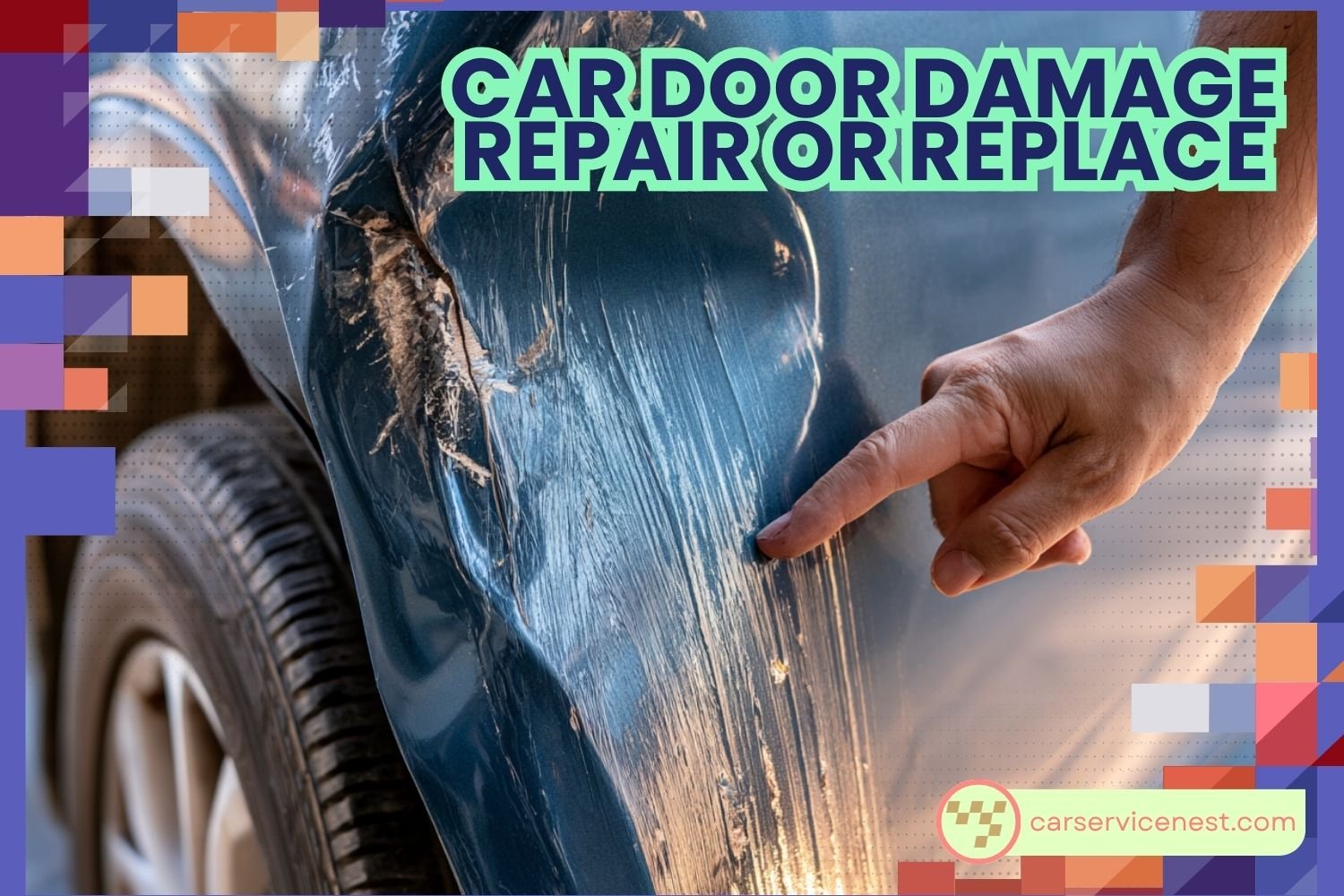
Evaluating car door damage repair or replace decisions, such as understanding whether to fix minor dents and body filler work ranging from $75 to $1,500 or invest in complete door shell replacements spanning $1,500 to $3,500+ based on the depth of impact, inner safety beam integrity, and labor costs after a collision across the United States, combines post-collision financial planning with smart structural assessment.
Navigating auto body shop choices, such as balancing professional I-CAR certified shop standards and collision repair protocols against unpredictable out-of-pocket expenses and insurance claims, ensures you protect your household budget from unbudgeted repair bills. Whether you are reviewing door damage evaluation steps, analyzing shell replacement versus body filler fee breakdowns, or following structured itemized restoration roadmaps, understanding expert collision technician workflows allows you to execute an informed fiscal strategy that restores your automobile’s side security on U.S. roadways while preserving its overall market resale value.
When to Repair vs. When to Replace a Car Door
Collision technicians evaluate specific structural guidelines to determine whether to repair or replace a damaged car door:
Choose Repair When: Dents are shallow, paint is intact, damage affects outer skin only, and internal intrusion beams remain completely untouched.
Choose Replacement When: Metal is severely crumpled, door hinges or latch pillars are twisted, inner side-impact beams are crushed, or labor hours to straighten exceed replacement shell costs.
Financial Planning: How Much Does Car Maintenance Cost?
For U.S. vehicle owners managing household expenses, understanding how much a car maintenance cost is essential to prevent unexpected financial burdens. On average, routine maintenance and minor repairs cost U.S. vehicle owners between $400 and $800 annually (or up to $1,200 depending on vehicle age, mileage, and make). While modern engineering has extended service intervals, ignoring foundational items like oil changes, brake inspections, and tire rotations can transform minor preventative upkeep into multi-thousand-dollar emergency repairs. Understanding these typical costs allows drivers to plan ahead and protect their long-term automotive investment.
Vehicle upkeep expenses depend on how frequently you drive and the lifecycle stage of your car. Newer automobiles require mostly basic fluid changes, whereas aging cars demand heavy component replacements.
1. Routine Upkeep and Fluid Changes ($350 – $600 Annually): Routine maintenance covers scheduled items like synthetic oil changes, filter replacements, and tire rotations performed every 5,000 to 7,500 miles.
2. Wear-and-Tear Replacements ($300 – $550 Annually): Consumable parts wear down over time. Budgeting for brake pad replacements, wiper blade swaps, and periodic tire balancing covers these inevitable wear items.
3. Milestone and Minor Repairs ($250 – $500 Annually): As odometers climb past 60,000 miles, setting aside funds for spark plug replacements, coolant flushes, and minor electrical checks ensures financial stability.
Safety Assessment and Risk Levels
When evaluating your vehicle’s side door damage and preparing for body shop estimates, classify your situation using this practical scale:
Monitor: Minor shallow door dings or surface scratches on the outer door skin with zero structural compromise.
Service Soon: Moderate door denting or scraping where repair estimates sit well below replacement shell costs.
Urgent Repair: Deep metal creases or misaligned door gaps affecting proper latching and weather-sealing.
Stop Immediately / Structural Crash Safety Hazard: Attempting to repair a severely crushed door shell with compromised intrusion beams leaves occupants vulnerable during subsequent side-impact collisions.
Adhering to strict structural safety guidelines and replacing compromised door shells protects occupants and ensures crash safety compliance on every U.S. roadway.
Required Services & Estimated U.S. Repair vs. Replace Costs
Comparing car door damage repair and replacement pricing highlights major differences in labor hours, materials, and parts sourcing. Below is a U.S. average cost breakdown.
| Service Option | Primary Scope & Procedure | Average U.S. Cost Range |
| Paintless Dent Repair (Repair) | Massaging minor door dings out from behind without repainting. | $75 – $250 |
| Body Filler & Panel Paint (Repair) | Pulling deep metal creases, applying body filler, priming, and painting. | $500 – $1,500 |
| OEM Door Shell Swap (Replace) | Installing new OEM door shell, swapping internal regulators, and painting. | $1,500 – $3,000 |
| Salvage Yard Used Door (Replace) | Sourcing color-matched used door shell from salvage yard and bolting on. | $600 – $1,200 |
Service Duration Planning: How Long Does It Take for Car Maintenance?
For U.S. vehicle owners balancing busy daily commitments, knowing how long car maintenance takes is critical for planning transportation and work schedules. Whether you are dropping off your vehicle for a quick oil change or a comprehensive mileage milestone inspection, service turnaround times vary widely based on the specific mechanical task, shop workflow, and part availability. Standard minor services like an oil and filter change typically take 30 to 45 minutes, whereas comprehensive major services or complex mechanical repairs can require anywhere from 2 to 4 hours or even a full working day. Understanding these timeframes helps drivers manage expectations, coordinate rides, and ensure their vehicles receive proper professional attention.
Not all vehicle maintenance tasks are created equal. While some minor services are engineered for maximum speed in dedicated express lanes, comprehensive checkups require meticulous testing, teardown, and precision labor.
1. Routine Minor Services (30 to 60 Minutes): Proactive minor services, such as conventional or synthetic oil changes, windshield wiper blade replacements, cabin air filter swaps, and quick tire pressure checks, are designed for rapid turnaround.
2. Intermediate and Milestone Services (1 to 3 Hours): Services occurring at regular mileage increments (such as tire rotations, brake fluid flushes, wheel alignments, and spark plug replacements) involve multiple vehicle systems and require specialized equipment, extending the timeframe to between 1 and 3 hours.
3. Major Overhauls and Complex Repairs (3 to 6+ Hours): Major services, including timing belt replacements, transmission fluid flushes, suspension strut swaps, or complex electrical diagnostics, demand extensive labor and cooling or lifting time, frequently requiring the vehicle to remain at the shop for half a day or longer.
Car Maintenance Duration Matrix
Reference this structured matrix to review service categories, average time requirements, and included maintenance tasks.
| Service Category | Average Duration | Primary Tasks Included |
| Oil Change & Filter Swap | 30 – 45 Minutes | Draining oil, replacing oil filter, refilling fluid, visual safety check. |
| Oil Change & Tire Rotation | 45 – 60 Minutes | Oil service plus rotating tires, checking tread depth, and adjusting tire pressure. |
| Brake Pad Replacement (Per Axle) | 1.5 – 2.5 Hours | Installing new brake pads, inspecting or machining rotors, bleeding brake lines. |
| Paintless Dent Removal | 30 to 60 Minutes | Massaging shallow door dings out from behind panels without repainting. |
| Creased Dent Repair & Panel Painting | 2 to 3 Days | Straightening deep metal, applying body filler, priming, and full panel painting. |
| Used Door Swap & Component Transfer | 1 to 2 Days | Sourcing donor shell, swapping window regulators, and bolting on. |
| New OEM Door Shell Replacement & Paint | 3 to 5 Days | Installing new OEM shell, internal parts transfer, color-matching, and finishing. |
Cost Comparison: Repair vs. Replacement Approaches Matrix
Comparing the financial investment between repairing door panels and complete shell replacement highlights key variances.
| Approach Type | Primary Cost Driver | Estimated Total Cost Range |
| Paintless Dent Repair (Minor) | Quick labor flat rate | $75 – $250 |
| Body Filler & Refinishing (Moderate) | Body labor hours + paint materials | $500 – $1,500 |
| Used Salvage Door Swap (Severe) | Donor part sourcing + bolt-on labor | $600 – $1,200 |
| New OEM Door Shell Replacement (Severe) | OEM shell part cost + transfer labor + paint | $1,500 – $3,500+ |
Master Service Schedule for General Maintenance on a Car
Following a time and mileage-based schedule ensures that no critical maintenance item is overlooked:
Minor Routine Service (Every 5,000 to 7,500 Miles / 6 Months): Synthetic engine oil and filter replacement; tire rotation and cold inflation pressure check; topping off washer fluid; visual check of brakes, belts, and lights.
Intermediate Maintenance (Every 15,000 to 30,000 Miles / 12 to 24 Months): Engine air filter and cabin HVAC filter renewals; hydraulic brake fluid moisture test and flush; battery conductance load test; wiper blade replacements.
Major Mileage Overhaul (Every 60,000 to 100,000 Miles / 5 to 8 Years): Automatic transmission fluid exchange; radiator coolant flush; iridium spark plug replacement; serpentine drive belt and tensioner renewal; differential gear oil replacement.
General Maintenance Inspection & Service Matrix
Review the master service matrix detailing component inspection tasks, frequencies, and action triggers.
| Vehicle System | General Maintenance Task | Target Service Frequency | Action Trigger / Failure Sign |
| Door Hinge & Latch Lubrication | Prevents hinge binding, sagging, and premature wear on door latches | Every 6 months | Squeaking hinges, stiff door handles, or latch binding. |
| Weatherstrip Conditioning | Keeps rubber door seals soft and pliable to prevent wind noise and leaks | Every 12 months | Dry, cracked rubber seals or cabin wind noise. |
| Door Panel Damage Inspection | Detects parking lot door dings early before rust or paint cracking starts | Monthly | Unnoticed door dings, scratches, or paint blemishes. |
| Engine Oil & Filter | Full synthetic motor oil & OEM filter exchange | 5,000 – 7,500 Miles / 6 Mo | Oil life meter <15% or dark sludgy oil. |
Frequently Asked Questions (FAQs)
1. When should you choose car door damage repair or replace?
Car door damage repair is suitable for minor dents, scratches, and surface damage when the internal safety components remain intact. However, replacing the door is necessary when the door shell is severely crushed or its structural safety beams are damaged.
2. Is car door damage repair or replace more affordable?
Repairing minor dents through paintless dent removal (PDR) is generally more affordable, typically costing around $75–$250. Complete door replacement can cost $1,500–$3,500 or more, depending on the vehicle and parts required.
3. Does auto insurance cover car door damage repair or replace?
Yes, collision or comprehensive insurance may cover eligible door repairs or replacement caused by accidents, vandalism, or other covered incidents. Coverage depends on your policy, claim circumstances, and deductible.
4. Can an aftermarket car door match factory quality?
Yes, quality aftermarket doors can provide a suitable alternative to original equipment manufacturer (OEM) parts. However, OEM doors generally offer more predictable factory fitment, while aftermarket quality depends on the manufacturer and certification.
5. How long does car door replacement take?
A complete car door replacement, including painting, color matching, and installation, typically takes around 3–5 days. The actual timeframe depends on parts availability and the extent of additional repairs.
6. Will car door damage repair or replace affect vehicle resale value?
Professional repairs or replacements with proper documentation can help maintain resale value. However, poorly repaired structural damage, mismatched paint, or incomplete installation may negatively affect your vehicle’s resale price.
7. Do collision repair shops offer warranties on door replacement?
Many reputable collision repair shops provide warranties covering workmanship, paint quality, and installation. Warranty periods and coverage vary, so always confirm the terms before approving the repair.
8. What happens to internal electronics during car door replacement?
During replacement, technicians inspect and carefully transfer compatible components, including power window regulators, glass, speakers, wiring, locks, and door latch mechanisms, into the replacement door when appropriate.
Final Takeaway
Choosing whether to execute car door damage repair or replace the assembly depends on structural safety, damage depth, and cost efficiency. To get started on your vehicle door evaluation today, you should immediately have a certified collision estimator inspect your door’s outer skin and internal side-impact intrusion beams. While minor surface dings with intact paint can safely wait until your next convenient service window, you must schedule professional help right away or opt for a complete door shell replacement if your vehicle door has suffered deep creasing that compromises structural side-impact safety.